

How AI Can Hurt Your Career by Making You Interchangeable
The obvious fear about how AI can hurt your career is that it will take your job. The less dramatic threat is already here, and it is easier to miss: AI is making a lot of work look the same. When everyone on a team uses the same models, the same prompts, and the same shortcuts, the output starts to blur. So do the people producing it.
That is the real career problem. Columbia Business School says AI fluency is now a baseline skill for its graduates, not a differentiator, and a senior executive at a large multinational bank recently told Harvard Business Review that three years ago no one in his department used gen AI tools, while today the entire team uses them every day for hours at a time. That is a fast change by any standard. It also explains why the market is rewarding something harder to automate: judgment.
How generative AI changed the floor
For years, using AI well could make a worker look unusually sharp. That was the advantage of being early. It no longer works that way. Employers now expect AI use in the same way they expect someone in finance to know spreadsheets, which is to say, it is assumed before the interview starts.
Columbia Business School says employers expect MBAs to show AI competency in everyday work, whether they are analyzing data, informing decisions, or improving efficiency. The school also says graduates need to translate AI-driven insights into business decisions, exercise sound judgment, communicate across teams, lead change, influence stakeholders, and apply AI responsibly in real-world settings (Columbia Business School, April 2026). Those are not prompt-writing skills. They are the skills that sit above the prompt.
That distinction matters because it changes what counts as talent. AI is no longer the shiny add-on. It is the floor under the work, and floors do not get people promoted.
How AI can make you boring at work
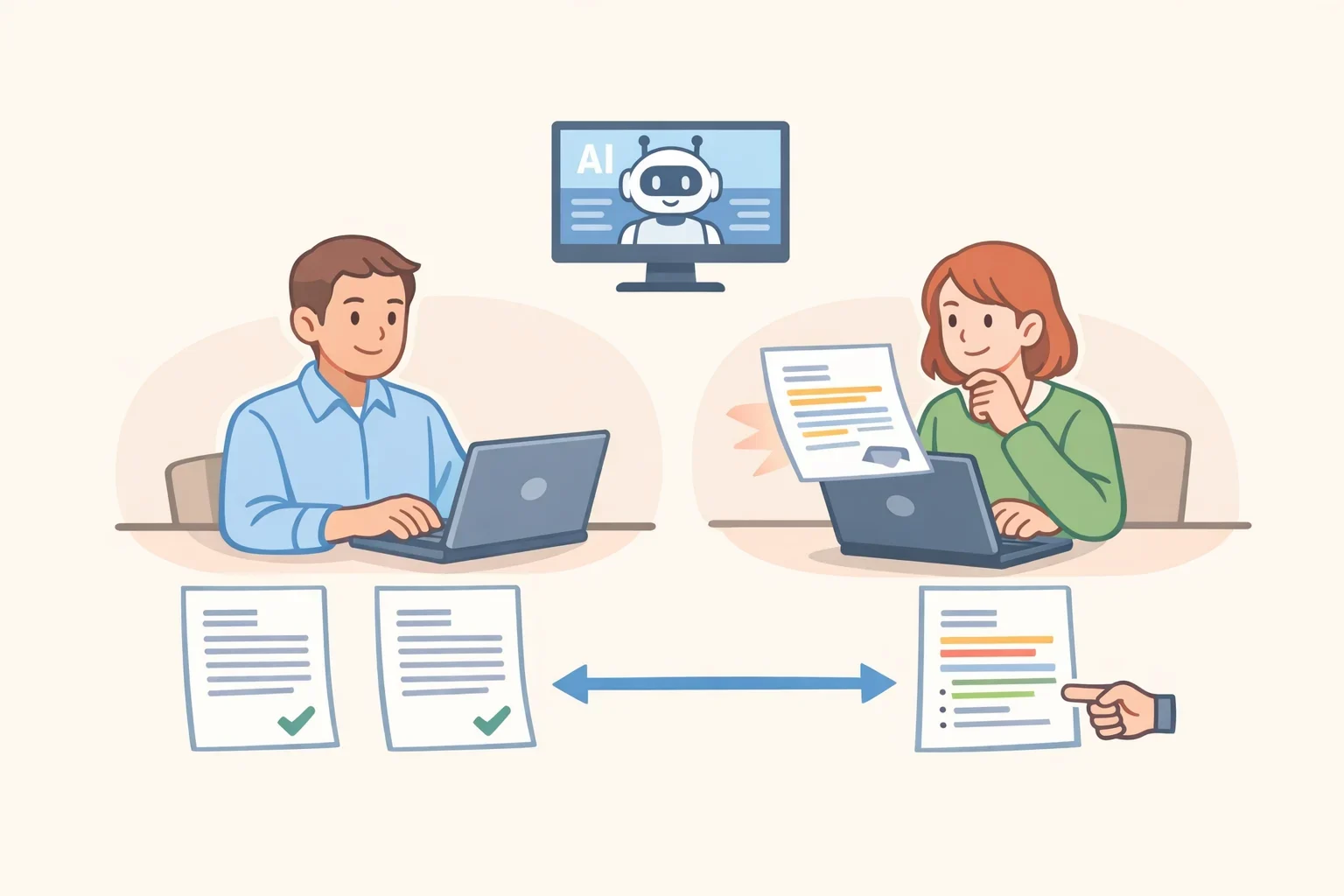
The most direct way AI hurts a career is by flattening the work into something interchangeable. Picture two analysts on the same team. Both feed the same earnings call transcript into the same chatbot, both get a tidy memo back, and both spend an extra ten minutes polishing the language. One sends it. The other adds a point of view, notices a risk the model missed, and tells the manager what the numbers might mean for next quarter’s hiring plan. Only one of them looks useful.
That difference sounds small until it becomes the pattern. Brookings found that more than 30% of American workers could see at least half of their occupational tasks disrupted by generative AI, and that the impact is concentrated in cognitive, nonroutine work in middle- and higher-paid professions rather than in the blue-collar automation story that came before (Brookings, October 2024). In other words, this is not just about factory robots. It is about the work that used to signal brains, taste, and training.
That is why the phrase “AI may make workers boring” lands. Not because people become dull, exactly, but because the easiest parts of their work become so standardized that there is less room to tell one person from the next. The memo gets cleaner. The slide deck gets tighter. The analyst looks more polished. None of that necessarily says much about who can make a hard call when the room turns messy.
Brookings also found that the gains from AI are uneven. In occupations including law, software engineering, customer service, and professional writing, less experienced workers tend to gain more from AI than more experienced ones, which narrows the performance gap between junior and senior contributors (Brookings, July 2024). That can be good news for newcomers. It is less comforting for seasoned workers whose edge used to rest on being visibly better than the pack.
Finance offers a cleaner example. Columbia says financial analyst jobs are probably the main area of MBA interest seeing early impact from AI in daily work streams, while Brookings notes that corporate leaders in finance are reportedly exploring job and pay cuts for entry-level analyst jobs that have traditionally offered the foundation for moving up (Columbia Business School, April 2026; Brookings, October 2024). That does not amount to a full collapse of the ladder. It does suggest the first rung may be getting thinner.
Why the job market is not simply shrinking
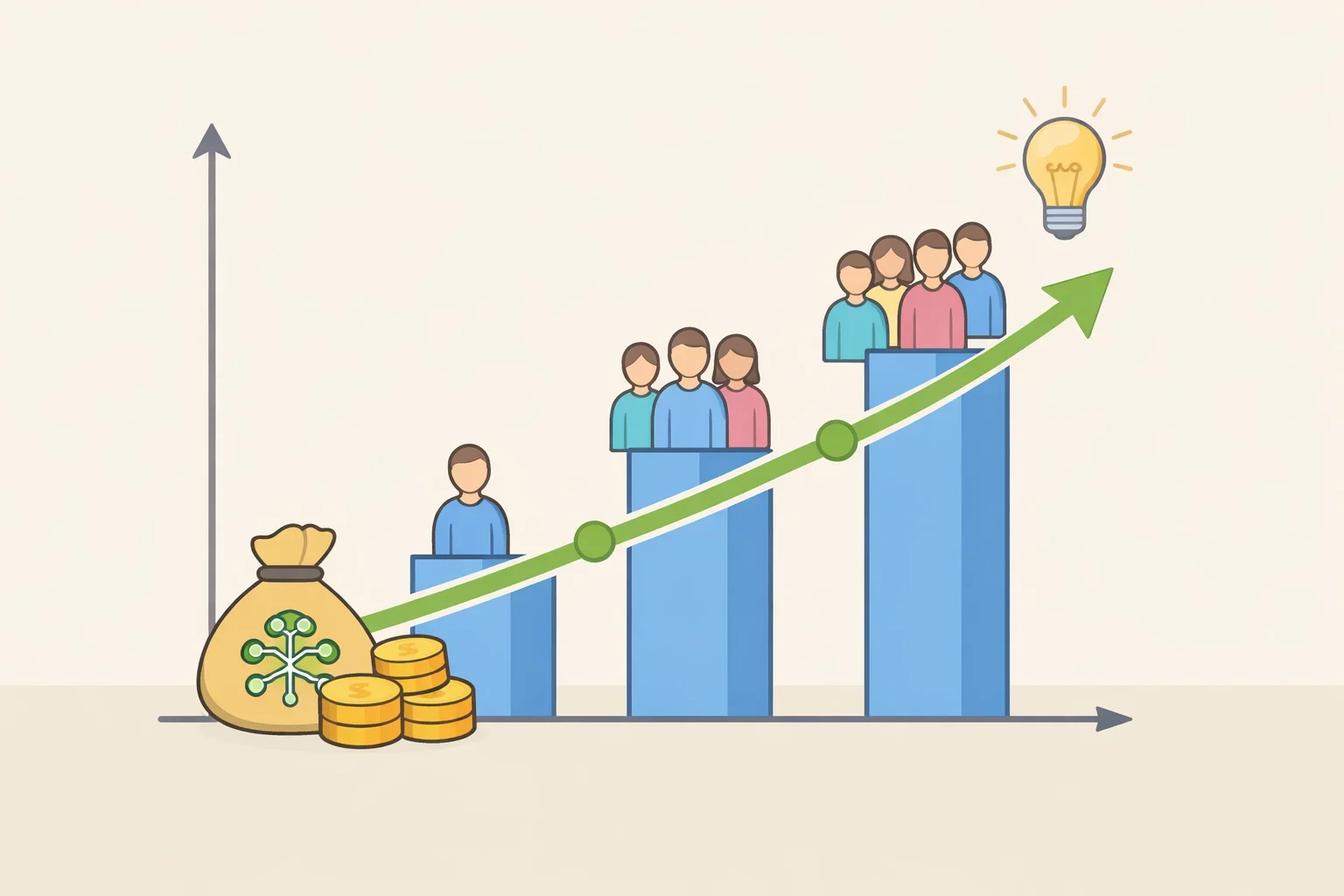
The easy version of the AI story says more automation means fewer workers. The data so far does not support that cleanly. Brookings found that firms investing more in AI actually increased total headcount, with employment rising at roughly 2% per year per one-standard-deviation increase in AI investment (Brookings, July 2025). Similar gains showed up after a two- to three-year delay, which is a useful reminder that corporate change often moves at the speed of committee meetings.
That does not mean the risk disappears. It changes shape. Brookings found that AI-investing firms tilted toward more educated, more technically skilled, and more independent workers, with a 3.7% rise in the share of college-educated employees and a 7.2% drop in the share of workers without degrees over eight years (Brookings, July 2025). The message is blunt. AI may not kill jobs in the aggregate, but it can still shift which people are favored inside the firm.
There is another wrinkle. Columbia says broad productivity gains have not yet shown up at the economy-wide level, even if individual organizations and sectors are seeing efficiencies (Columbia Business School, April 2026). That gap matters. It suggests the value of AI is not just in the tool itself. It depends on who is using it, and what they are doing with the time it saves.
What actually separates the people who advance
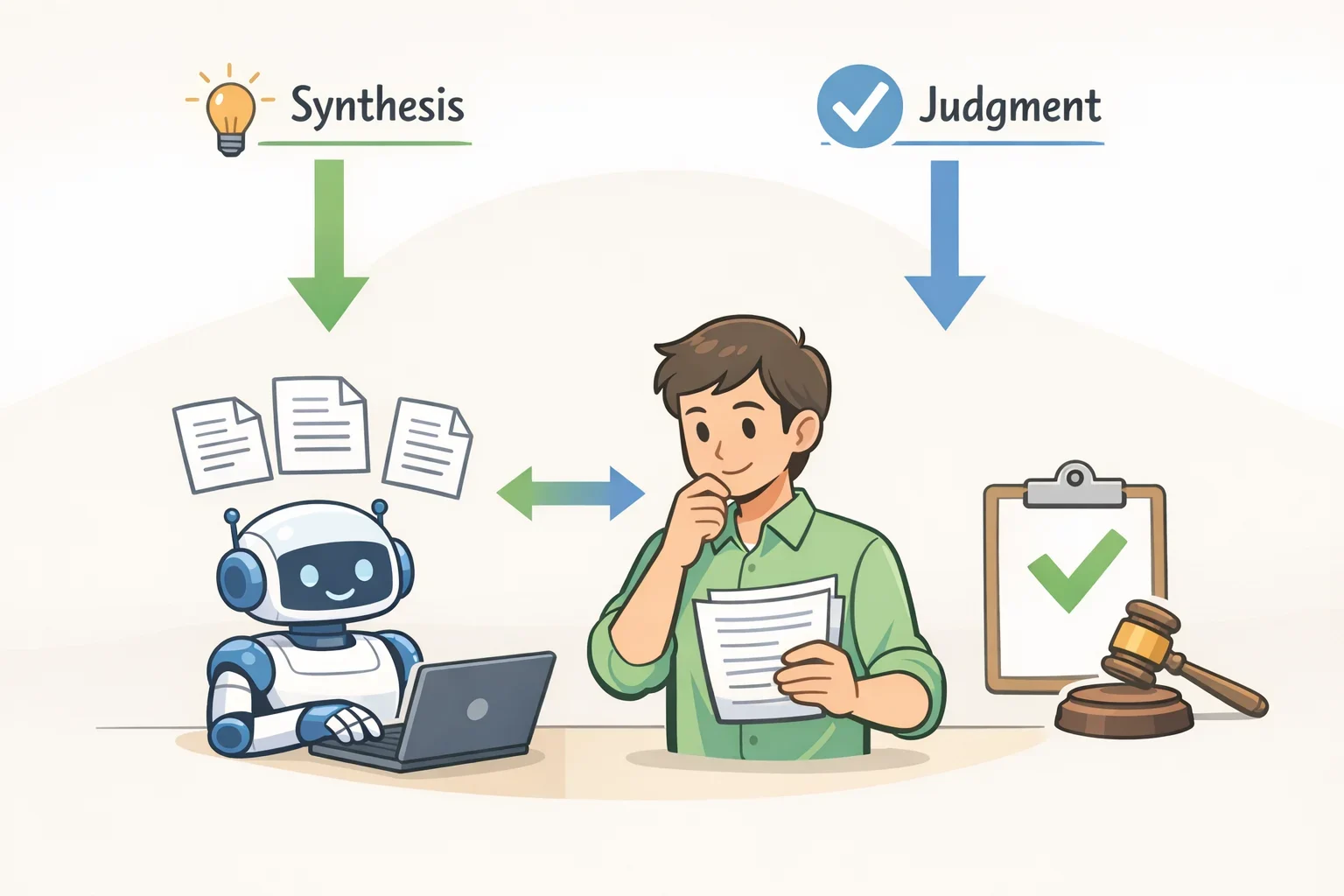
The workers who stand out in the age of AI do not treat it as a replacement for thinking. They use it to clear away the mechanical work so they can spend more time on the parts that still require a human being with skin in the game. That usually means judgment, relationship management, communication, and the knack for asking the right question before anyone starts solving the wrong one.
Columbia puts that idea neatly. It says MBA graduates should be able to shape the right questions, structure complex problems, and make decisions in ambiguous, high-stakes environments (Columbia Business School, April 2026). That is the real career moat. A model can draft a recommendation. It cannot own the consequences.
The firms investing heavily in AI appear to understand this. Brookings found that those companies increasingly seek more educated and technically skilled employees, and they also shift their internal hierarchies as they adopt AI (Brookings, July 2025). Mid-level financial analysts, investment managers, and M&A team leaders are already using AI-supported tools to underpin, not replace, their decisions, according to Columbia (Columbia Business School, April 2026). That is a useful model. Let the machine handle the first pass. Keep the call.
There is a practical line here, and it is worth drawing plainly. Delegating synthesis is sensible. Delegating judgment is how you become a commodity.
The career risk is not using AI. It is hiding inside it
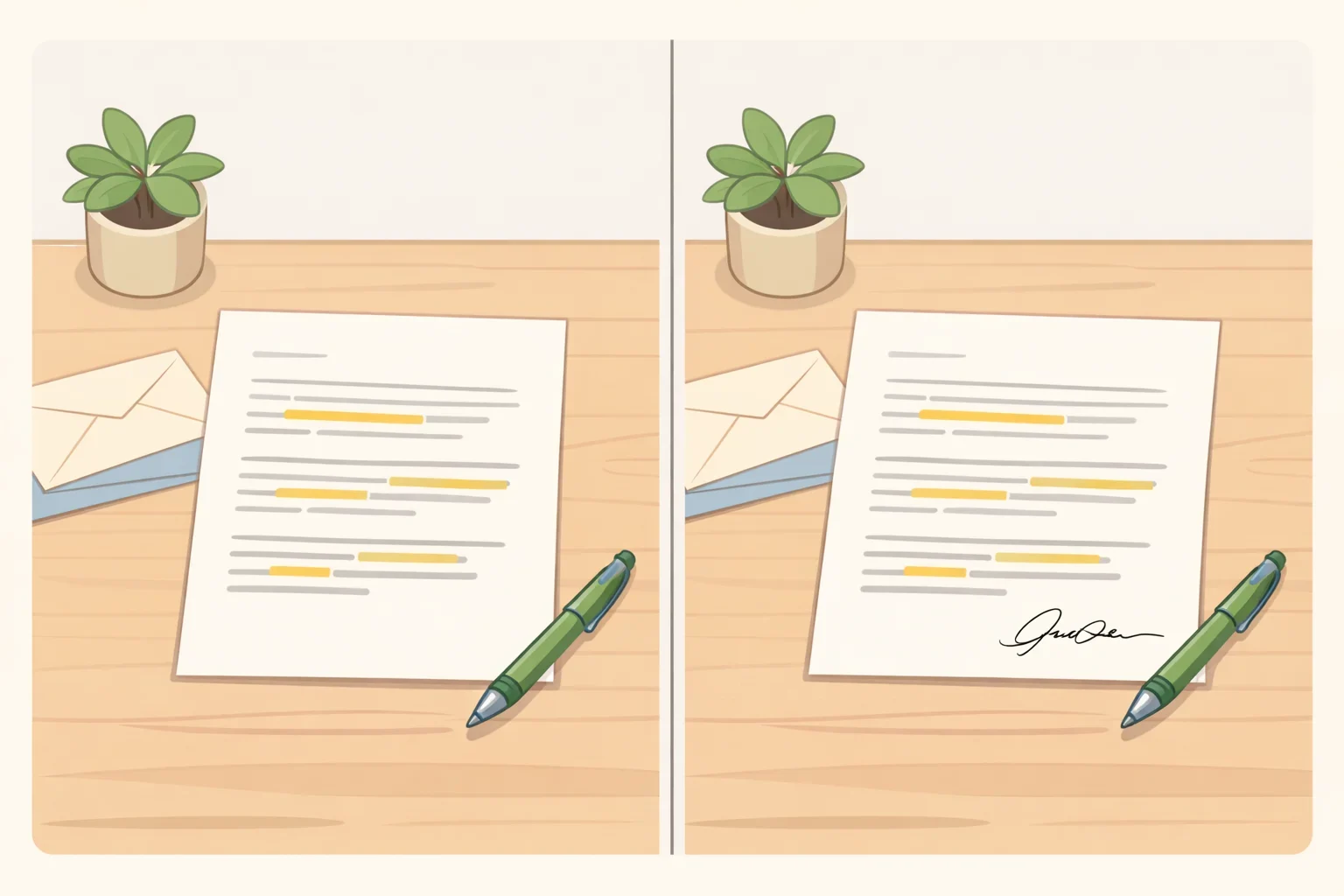
This is where a lot of professionals get tripped up. They assume the person who uses AI most aggressively will be the one who wins. Usually, the opposite is true. The person who wins is the one whose work still carries a signature after the tool has done its part.
That signature might be an unusual angle, a sharper diagnosis, a better sense of what matters to a client, or the ability to explain a messy issue without turning it into wallpaper. None of those things are flashy. They are also hard to fake. When a manager is choosing between two polished outputs, the one who adds context, restraint, and a real point of view tends to stand out.
Brookings’ work makes the underlying pressure clear. Generative AI could disrupt more than 30% of workers in ways that affect at least half their tasks, and it is aimed squarely at the kind of knowledge work that used to be a proxy for competence (Brookings, October 2024). If the visible evidence of your value is the thing AI makes easiest, then your career problem is no longer technical. It is positional.
What this means now
The old advice was to learn the tool before the other guy does. That is still useful, but it is no longer enough. Columbia’s view is that AI competency is now a baseline expectation, while the durable advantage lies in the human work around it: judgment, communication, leadership, and the ability to steer through ambiguity (Columbia Business School, April 2026). That is a higher bar, but also a clearer one.
The encouraging news is that AI does not erase opportunity. Brookings found that firms adopting AI have grown employment, not shrunk it, and have expanded innovation along the way (Brookings, July 2025). The catch is that the benefits are unevenly distributed. The people most likely to thrive are the ones who use AI to widen their scope, not just to speed up a task list.
That is the useful way to think about how to stand out at work with AI. Let the machine do more of the grind. Spend the saved time on interpretation, relationships, and decisions that have your name on them. If AI makes the work look effortless, your job is to make your value impossible to confuse with anyone else’s.