

PepsiCo APAC CEO entry-level hires: curiosity over credentials
PepsiCo APAC CEO Anne Tse is spelling out a hiring priority that many graduates would rather hear than endure: the best candidates are not always the ones with the neatest answers. In a LinkedIn post published late June, Tse said curiosity and learning agility matter more than polished certainty for entry-level hires, a useful clue for anyone trying to crack what PepsiCo APAC CEO entry-level hires actually looks like.
Tse oversees PepsiCo’s businesses across Asia Pacific, Australia, New Zealand, and Greater China, and her advice was blunt. “It’s all about the aptitude, the speed, the agility to learn,” she wrote in the same post.
What PepsiCo APAC CEO entry-level hires look for: Better questions, not safer answers
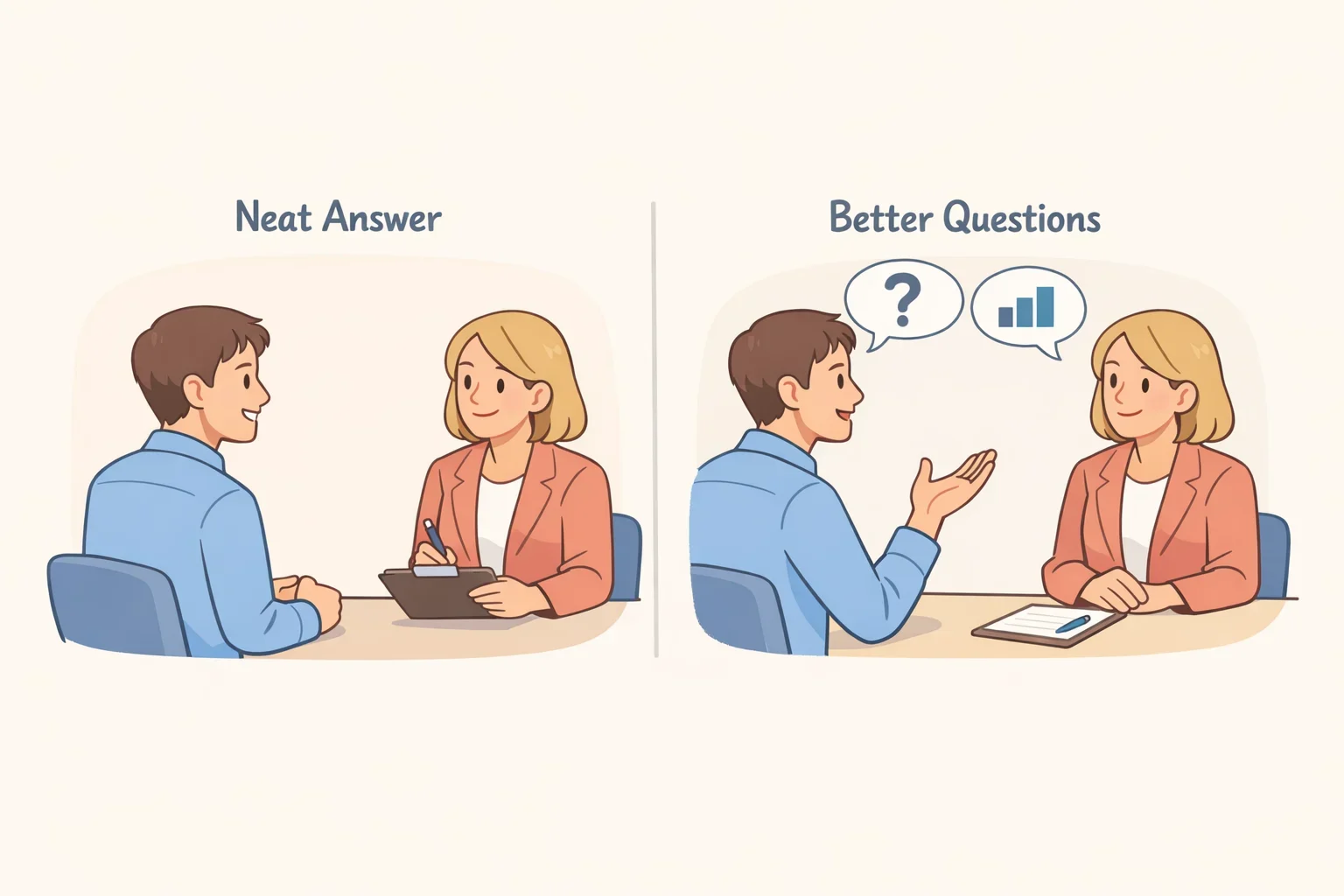
Tse’s point is less about résumé polish than about how a candidate thinks in the room. “The most interesting people I meet are rarely the ones with the neatest answers,” she wrote. “They are the ones with better questions” in her LinkedIn post.
That matters because the usual interview reflex, sounding certain at all costs, can be overrated. At PepsiCo’s scale, curiosity is not a personality quirk. It is part of how people make sense of messy markets, shifting consumer habits, and the sort of problems that do not come with a tidy answer sheet.
Tse does not reduce the ideal candidate to one trait, either. She pairs curiosity with a broader set of behaviors: listening well, learning quickly, connecting dots across different contexts, and staying close to what consumers need, according to her LinkedIn post. That is a sturdier hiring standard than “be smart.” It is also harder to fake for more than five minutes.
Why curiosity and learning agility matter now

Tse’s comments land in a business environment that rewards people who can adjust without drama. Experience still has value, she said in the post, but the pace of change means companies also need to look closely at how people think, how they learn, and how they respond when the path is not obvious.
That logic fits with what Tse said in March, when she thanked Bloomberg and Stephen Engle for a conversation at the China Development Forum in Beijing. In that LinkedIn post, she said PepsiCo is using AI across its operations to improve efficiency and make better decisions at scale.
The point is not that machines replace judgment. It is that more routine knowledge work is being automated, which raises the value of people who can learn fast, spot patterns, and move comfortably through ambiguity. If the operating model keeps shifting, then the people inside it have to shift with it. Not elegantly, necessarily. Just quickly enough to keep up.
Anne Tse’s advice for young professionals

Tse’s message to graduates and early-career job seekers is simple enough to fit on a sticky note, which is rare in corporate hiring advice. “Do not only focus on proving what you know today,” she wrote in her LinkedIn post. “Show how you learn, how you adapt, and how you build from there.”
That is useful guidance because it changes how candidates should present themselves. The strongest interview answer is not always the cleanest summary of what someone has already done. It can be a specific example of how they handled something unfamiliar, what they asked, what they changed, and how fast they picked up the next step.
Tse goes a step further and connects those habits to the long view. “That is where a lot of future leadership begins,” she wrote. For a young professional, that is a reminder that entry-level work is not just a waiting room before the real job starts. It is where the pattern is set.
What PepsiCo hiring qualities for graduates actually signal

For readers parsing the subtext, Tse’s comments suggest PepsiCo is looking for more than confidence and credentials. The company seems to value curiosity as a working habit, not a slogan, and learning agility as something visible in how a person handles pressure, silence, and incomplete information.
That is a higher bar than showing up prepared with canned responses. It also shifts the burden in a useful way. Candidates do not need to pretend they know everything. They need to show that they can absorb new context without blinking, which is a more realistic test and, frankly, a better one.
The timing matters too. Tse’s remarks on hiring, paired with her comments about AI and operational change, point to the same underlying idea: adaptability is becoming a core business skill, not a bonus trait. For early-career applicants, that means the smartest move may be to stop auditioning for certainty and start demonstrating how they learn in real time.
And that is probably the least glamorous hiring advice going. It is also the most durable.