

- Best Cities in the South for Young Professionals: Data on Outer Rings
- Why the best cities in the South for young professionals are often the exurbs
- What the labor market says about young professionals moving south
- The wage data keeps the story from getting too neat
- So what actually counts as one of the best cities in the South for young professionals?
- What the data says to do next
Best Cities in the South for Young Professionals: Data on Outer Rings
The search for the best cities in the South for young professionals usually starts in the wrong place. People picture downtown towers, startup districts, maybe a skyline on a stock-photo sunset. The data keeps pointing somewhere less glamorous: the outer rings of fast-growing Southern metros, where workers can actually get near jobs without paying Manhattan prices for the privilege.
Since 2021, counties in five Southern states, Florida, Georgia, North Carolina, South Carolina and Texas, have increasingly topped domestic migration rankings, according to U.S. Census Bureau data published in March 2026. The names that keep showing up are Kaufman and Rockwall counties east of Dallas, and Dawson and Jackson counties north of Atlanta. Those are not city centers. They are the edges of bigger labor markets, and that is the point.
If the question is which Southern places fit the best-cities-for-young-professionals brief, the shortlist is less about a city label and more about a metro structure. Dallas-Fort Worth, Atlanta, and a few similar Southern growth corridors stand out because they combine job access with the kind of outward growth that draws movers before the market fully hardens. The most useful distinction is not “South versus not South.” It is whether a place still has room for an entry-level worker to get in.
Why the best cities in the South for young professionals are often the exurbs
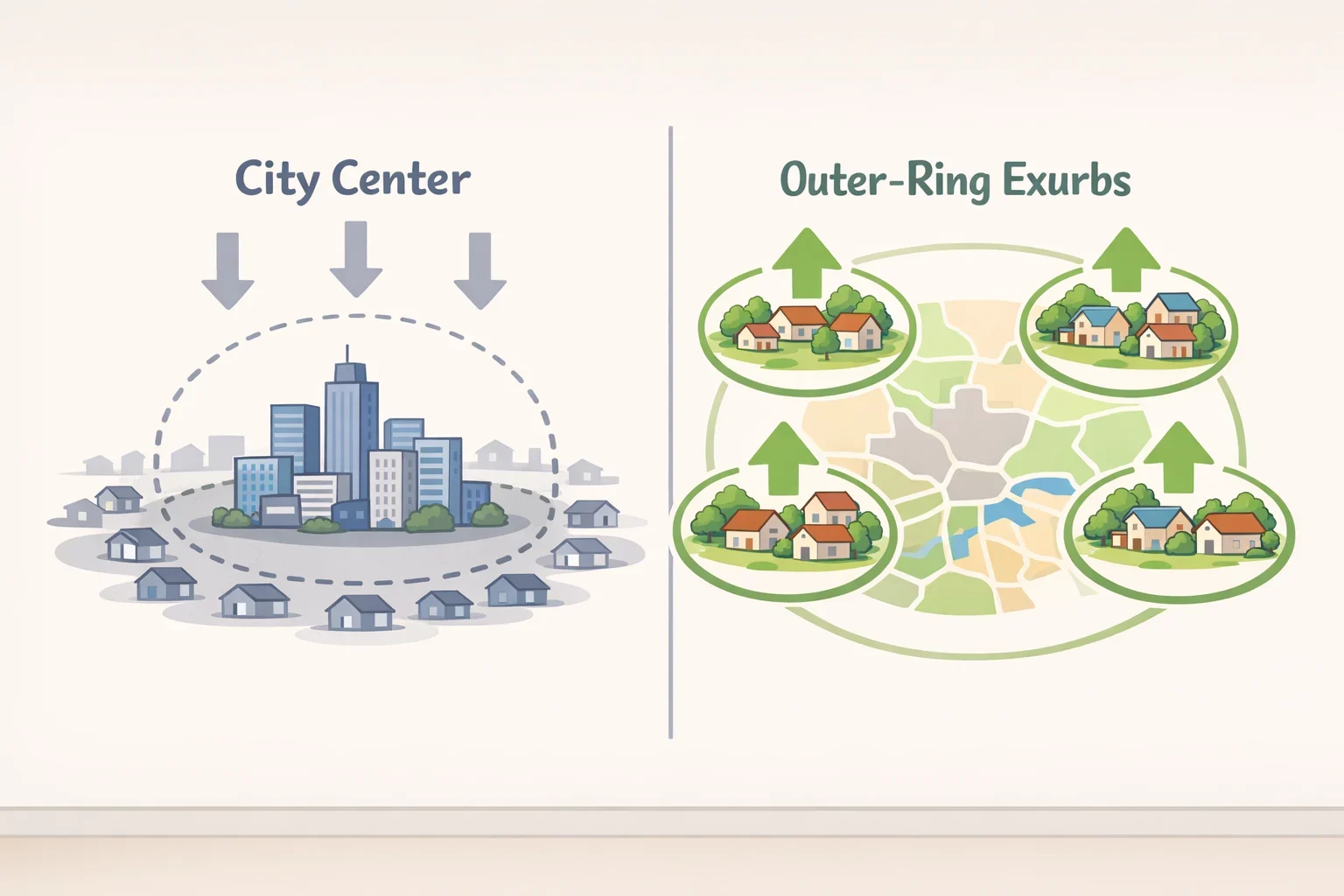
This pattern is not unique to the South. Since 2020, many major U.S. metros have seen sluggish population gains in their city centers, with growth concentrated mostly on the outer edges, according to Census reporting in May 2026. Dallas, New York, Minneapolis and Seattle all fit that shape, though Seattle was the exception because its city center and inner suburbs still grew.
Dallas is the clearest example of why the South keeps winning this migration story. Census data from May 2026 says the Dallas-Fort Worth-Arlington metro gained 11.0% overall, compared with 0.1% in New York-Newark-Jersey City. New York’s growth, meanwhile, was heavily concentrated in its exurbs, not the city itself. That matters because many young workers are not choosing between “New York” and “Dallas” in the abstract. They are choosing between a place where the edge is still affordable and a place where even the edge can feel like a ransom note.
The county rankings make the geography concrete. The Census Bureau reported in March 2026 that Kaufman County had the nation’s highest domestic migration rates from 2021 to 2023, with Rockwall County close behind. Dawson and Jackson counties in Georgia also posted leading migration rates in 2024 and strong showings in nearly every year since 2021. These places are not independent cities; they are labor-market adjacencies to large metros with deep employer bases. That is a pretty good setup if the goal is to build a career without first selling a kidney.
Not every high-migration Southern county fits the same mold, though. Jasper County, South Carolina, reached the top domestic migration spot in 2025, but it sits in the Hilton Head Island-Bluffton-Port Royal metro area, which the Census report presents as part of a broader mix that includes jobs, warm weather and retirement destinations. That same Census report is a useful reminder that a high migration rate is not the same thing as a young-professional magnet. Some places attract workers. Some attract people looking for water, golf and lower humidity. Sometimes those are the same people, but not always.
What the labor market says about young professionals moving south

The reason this migration matters is simple: moving for work is still one of the ways regional labor markets adjust. Brookings research published in December 2025 found that over five years, in-migration accounts for roughly 60% of the long-run change in employment when job demand rises in a region. In the short run, local unemployment absorbs most of the shock. Over time, people move.
That same Brookings analysis says in-migration is strongest among people in their 20s and early 30s, and more pronounced in urban, higher-income and more college-educated counties. Brookings also notes that interstate migration has fallen over time, with about 3.1% of the U.S. population moving states in 2021, down from about 4% in 1980. So yes, Americans move less than they used to. But the ones who do move are still doing it for a reason, and that reason is often work.
That lines up with what has been happening in expensive coastal metros. Brookings’ Metro Monitor 2025 says workers have been leaving high-cost regions such as New York and San Francisco for jobs, remote work, or both. The report also says the nation’s most expensive metro areas have lost prime-aged population in each year after 2020. That is not a passing quirk. It is a sustained shift in where younger workers are choosing to live and what they are willing to pay for the privilege.
Remote work may have pushed that shift around the edges. Brookings is careful about that. In another 2025 discussion of labor migration, the researchers say their data cuts off just as the pandemic began and that remote work could alter the pattern in ways the current numbers do not yet capture. That caution is worth keeping. The pre-pandemic evidence is solid. The post-pandemic world is still settling into itself.
The wage data keeps the story from getting too neat
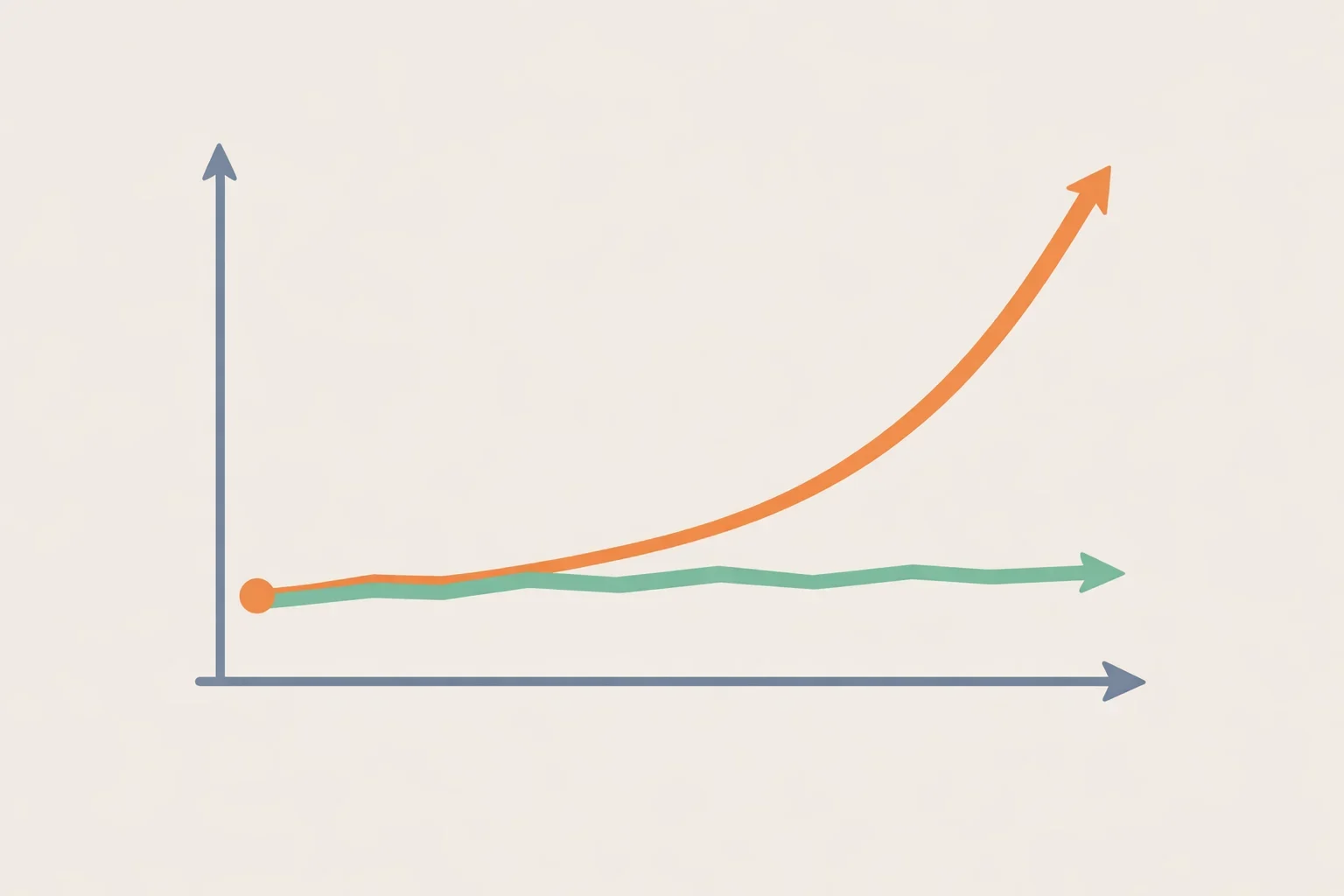
This is where the easy version of the story starts to wobble. Moving to a Southern growth market can help, but not because every such move guarantees a better earnings path. Brookings’ Metro Monitor 2025 examined real median earnings, which adjusts wages for local cost of living. After that adjustment, median wage growth looked remarkably similar across metro areas with very different growth and affordability profiles.
The report puts it bluntly: the median worker’s real wage growth was essentially the same, whether in Denver or Dayton, Ohio. Brookings also found that 64 of the 82 high-growth metro areas it tracked between 2013 and 2023, or 78%, saw housing costs rise relative to income over that period. That is the part people miss when they talk about the South as if affordability is frozen in amber. Growth tends to bring its own bill.
For a young professional, though, the timing still matters. The advantage of a lower-cost Southern metro is front-loaded. In your 20s, when salary growth is still uneven and your biggest expense is usually rent, a cheaper housing market can change the math in a very real way. It can mean more savings, less debt pressure and more room to take a risk on a new job or a first move into management. That is not the same thing as saying the region will generate superior real earnings over a full career. It is saying the runway is longer at the start.
That is the cleaner argument for these markets. They give young workers cash flow and access. They do not magically rewrite the wage curve.
So what actually counts as one of the best cities in the South for young professionals?
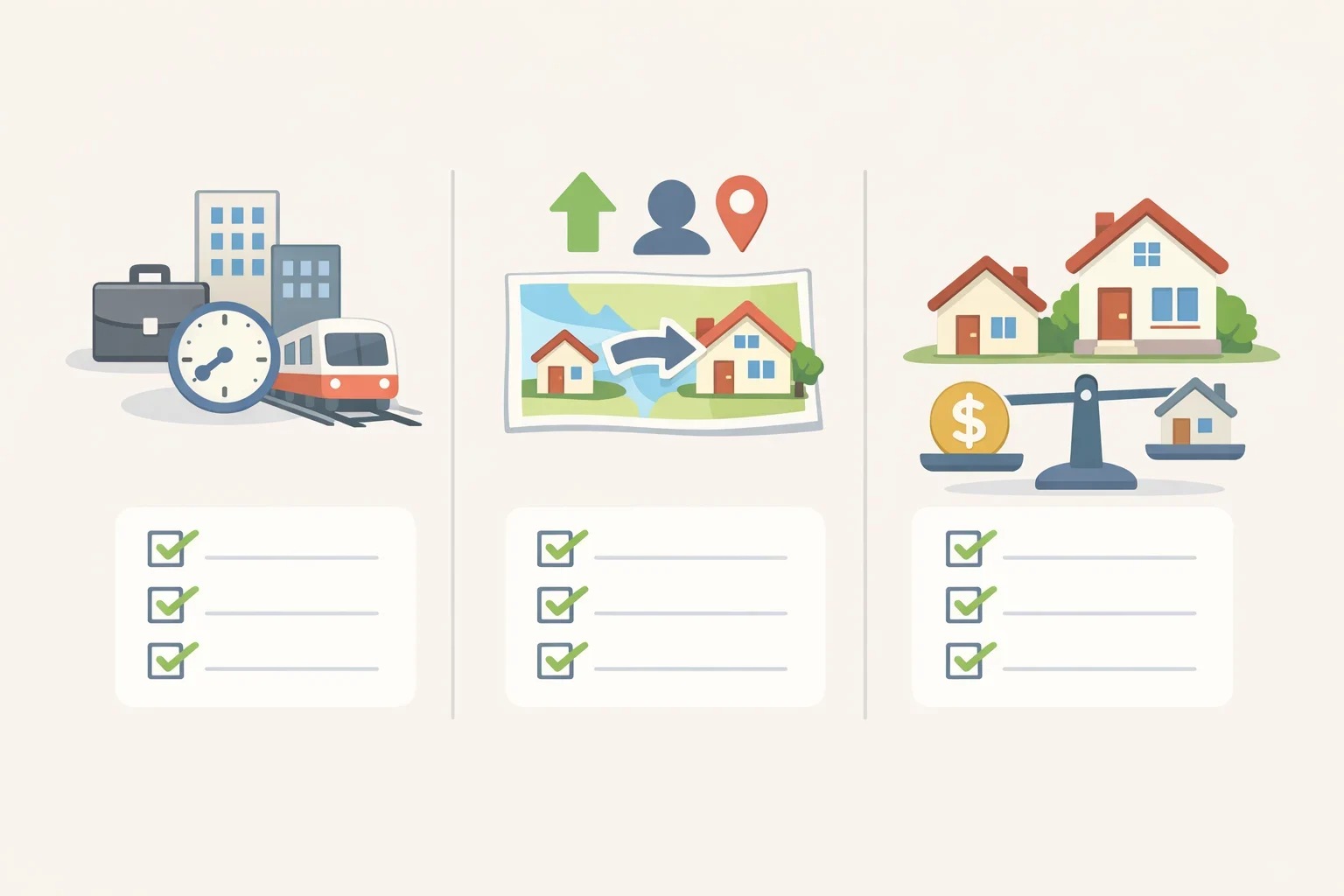
The data does not hand over a tidy top 10 list. It gives something better, if less Instagram-friendly: a set of places that fit the conditions young professionals usually care about. The strongest candidates are metro areas where outer-ring counties are still pulling in domestic movers, where the labor market is tied to a large employment base, and where the housing premium has not already erased the affordability edge.
Dallas-Fort Worth fits that description well, especially the eastern counties highlighted by Census data from March 2026 and the exurban growth pattern in May 2026 Census reporting. Atlanta fits it too, with Dawson and Jackson counties showing up repeatedly near the top of the migration rankings and sitting within commuting range of Fulton and Gwinnett. Those are the kinds of Southern markets that make sense if the goal is a real career launch, not just a warmer zip code.
The weaker fits are just as telling. Places driven heavily by retirement, lifestyle migration or tourism can still be nice places to live, but they are not automatically good places to build a career. A high migration count is not enough. Neither is a low cost of living by itself. What young professionals need is the overlap: job growth, mobility and affordability that has not already been bid away.
What the data says to do next
The practical takeaway is narrower than the hype around moving South suggests. If the goal is to find the best cities in the South for young professionals, start with metro outskirts that are attached to real job centers, then check whether the migration story is about workers or retirees. Then ask the boring question that usually matters most: has housing already gone up enough to wipe out the benefit?
That is the decision rule Brookings and the Census data together point toward. Young, educated workers are still the most mobile group. Brookings says their movement can account for roughly 60% of long-run employment growth after a shock. That means getting into a growth corridor early still has value. The trick is not to romanticize the South as a single answer. It is to find the places where the edge of a metro is still the edge, not just the next place people have already priced up.