
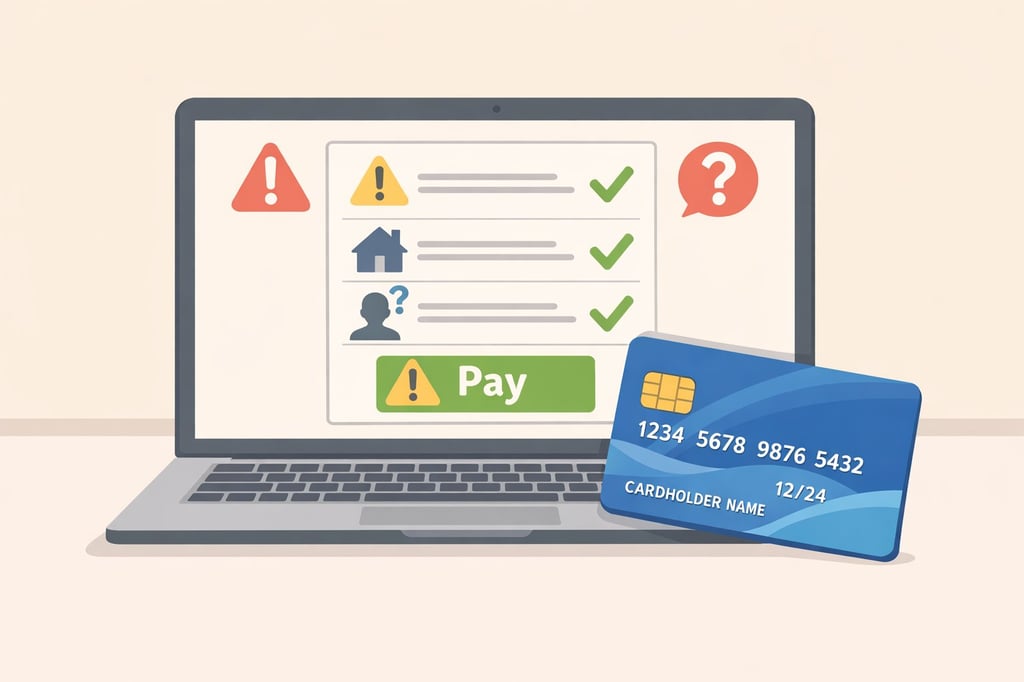
How to Avoid Travel Fraud: 6-Step Pre-Payment Check
Travel fraud usually falls apart before you pay, if you slow down long enough to check the basics. This guide gives you a repeatable six-step process to run before sending money for a rental, hotel package, charter flight, or travel document, so you can spot trouble while the only thing at risk is a little time. The FTC reported this week that scammers still hijack rental listings, swap in their own contact details, and collect deposits before vanishing.
The same playbook turns up in fake vacation deals and travel website scams. The FTC warned last week about sites advertising free or deeply discounted travel offers, while Visa explained in 2023 how fraudsters lean on pressure, impersonation, and authorized payments to get the money out of your hands. The fix is boring, which is usually a good sign.
Travel scam prevention tips before you book
Run these steps in order. Each one checks a different layer, price, identity, source, terms, payment, and timing. If one layer fails, stop there.
1. Treat the price as a warning sign, not proof
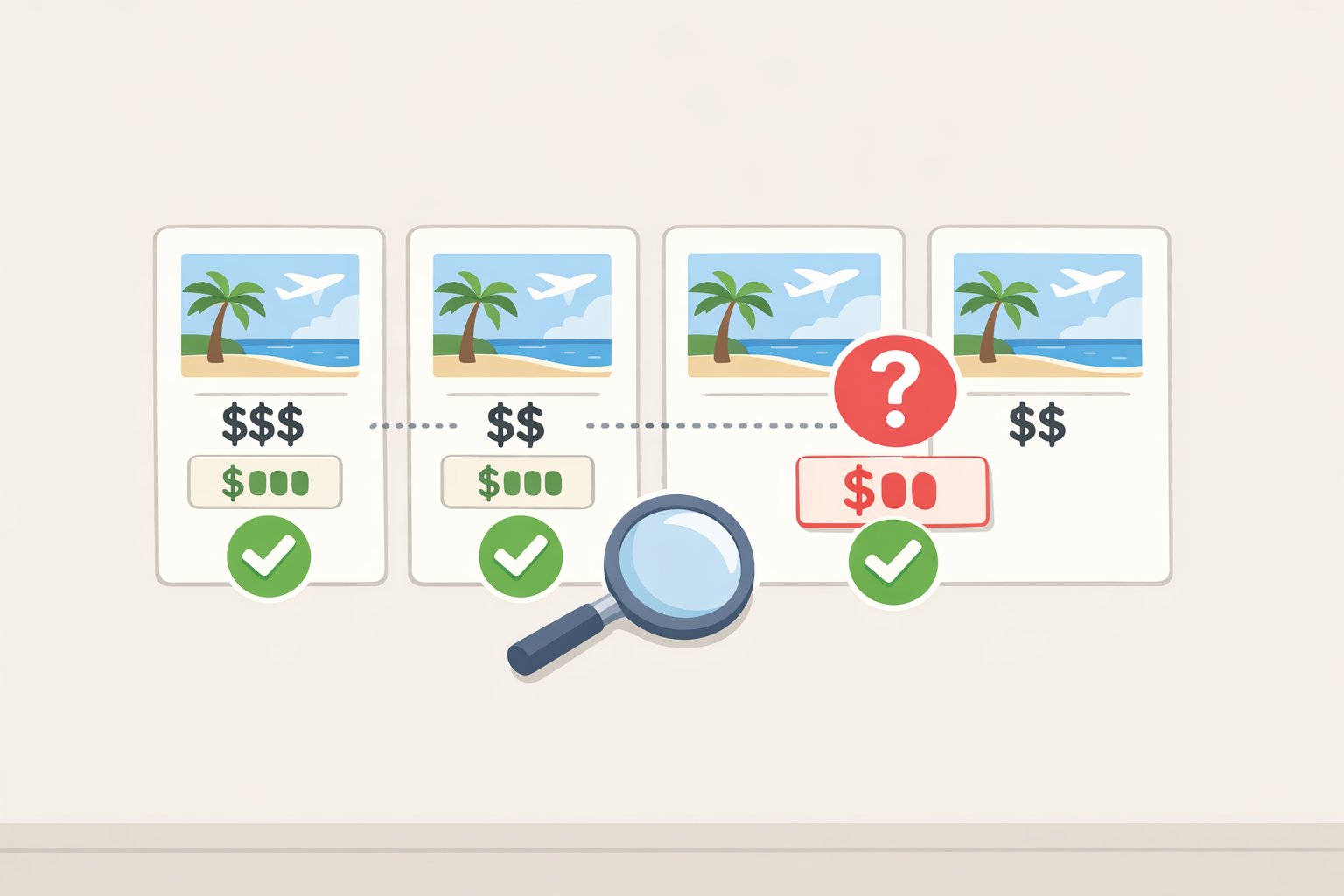
Start with the deal itself. If a “free” vacation asks for fees or taxes up front, it is not free, and the FTC said earlier this year that a legitimate company will not ask you to pay for a prize.
That same logic applies to below-market rentals, cheap charter packages, and those too-good-to-be-true hotel bundles that somehow come with ocean views and a spa credit. The FTC warned in 2023 that scammers use scarcity and fear of missing out to push travelers past their skepticism. If the price is dramatically lower than several comparable bookings, do not admire the bargain. Treat it like a flare.
What to do: compare the offer with a few similar listings on established platforms. If the gap is huge and nobody can explain it, move on to the next step only because you have not ruled out a scam yet.
2. Verify the seller and the listing
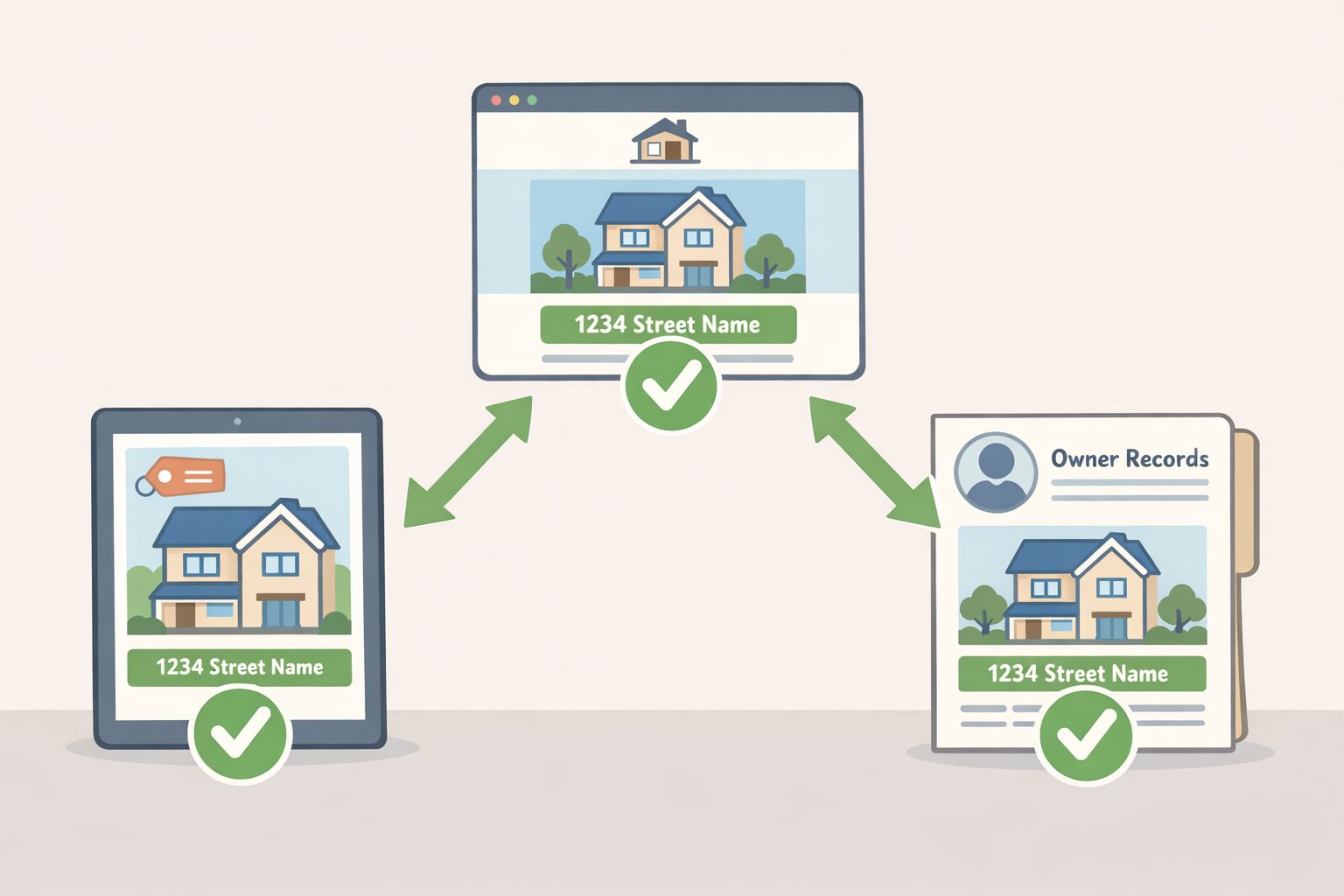
Now check whether the place, package, or service actually exists and belongs to the person selling it. For rentals, the FTC said this week to search the property address together with the owner or rental company name. If the same address shows up with different owners, that is a strong sign of a hijacked listing.
Then go to the company’s own website yourself. Type the address into the browser. Do not rely on a link in the ad. The FTC said this week that if the property does not appear on the rental company’s site, the ad may be a scam. For a private landlord, check city or county tax records and see whether the owner’s name matches the person you are dealing with. For a managed property, ask for a business card issued by the company and compare it with the agent’s ID.
Resorts and charter flights need the same kind of check. The FTC said in its September 2025 guidance to call a resort front desk directly using a number from the official website and to verify charter flights against the U.S. Department of Transportation’s approved public charter list before paying. Travel documents are a separate trap: imposter sites sell visa, passport, and International Driving Permit services for fees while sending you something worthless. The FTC said earlier this year that International Driving Permits are legally issued in the U.S. only by AAA and AATA.
A common dodge at this stage is the distant-owner routine. The person says they are overseas, cannot show the property, or will mail the keys later. The FTC said this week not to send payment for any property you have never seen, or to someone you have never met in person. If you cannot inspect the place yourself, the FTC says to ask someone you trust to go and confirm that it matches the ad.
3. Go to the company directly
This is where a lot of people get clipped. Scammers send emails, texts, social posts, and calls that look like they came from an airline or hotel you already use. The FTC warned last week that those messages may have nothing to do with the real company, even when the branding looks right.
Do not click links in unexpected messages. Do not call the number in the email. Do not answer a caller who asks for a password, PIN, or one-time code. Visa said in 2023 that fraudsters use email, SMS, messaging apps, social media, and phone calls to induce people to reveal sensitive information. Caller ID is not a badge of honor; it is a display.
Use the contact details you already have, or type the company’s URL yourself and check the offer there. Visa’s guidance from 2023 also flags urgent language, poor grammar, misspellings, suspicious sender addresses, and requests for personal information as warning signs. None of these prove fraud on their own. Together, they usually add up to bad news.
4. Get the full terms in writing
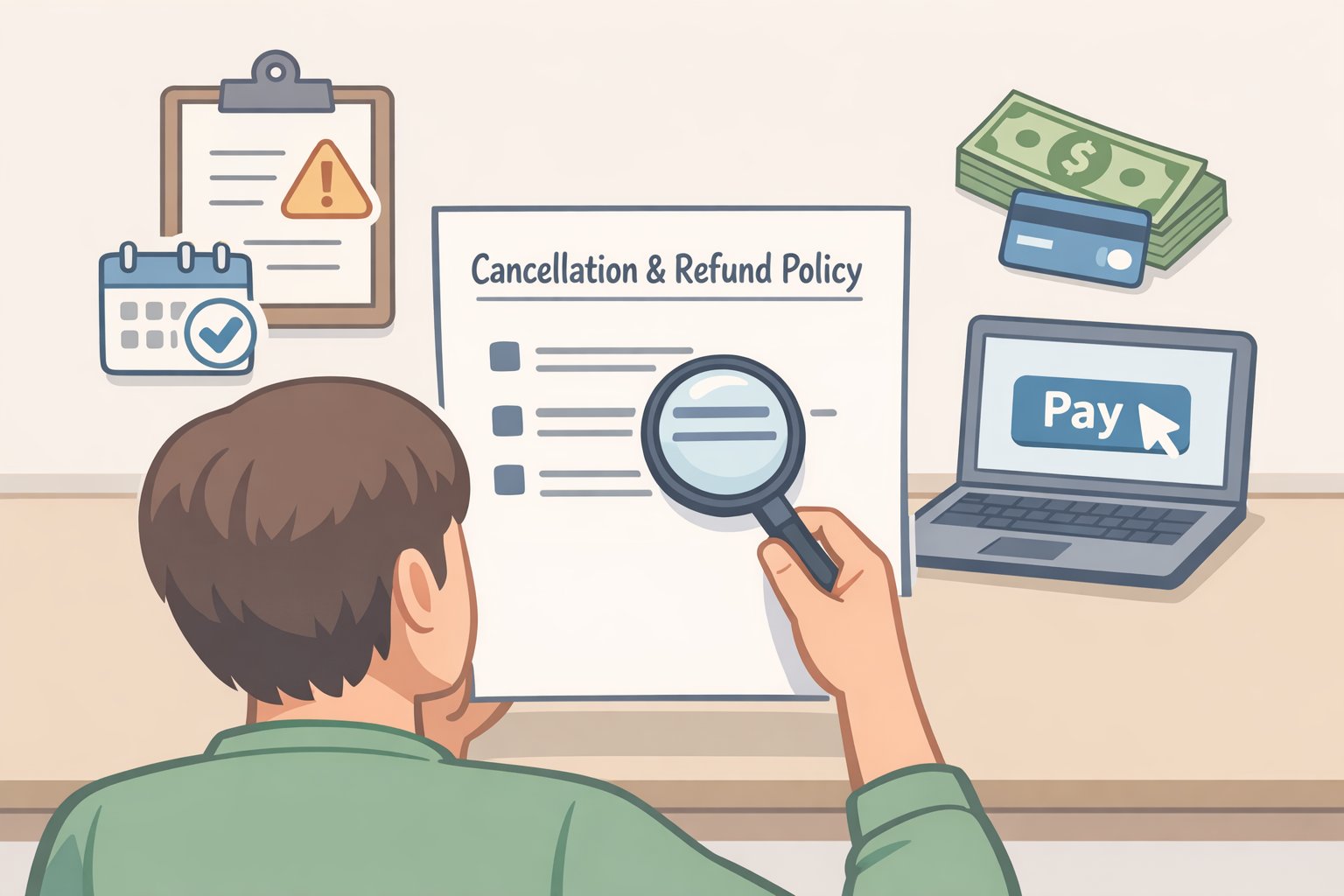
Before you pay, ask for the exact address, the cancellation policy, and the refund terms. The FTC said in March 2024 not to sign or pay until those details are in hand, so you can verify the location independently and know what happens if your plans change.
Vagueness is its own clue. If the seller will not name the hotel, refuses to put cancellation terms in writing, or keeps dodging basic questions, the FTC said in its September 2025 guidance that the travel offer itself is missing specific details, which is a primary scam indicator. That is not the point at which you “push for clarification.” That is the point at which you stop.
Short-term lodging has one more wrinkle. The price you see for a hotel room or vacation rental has to include all required fees the seller knows about up front, and if taxes or other charges cannot be calculated yet, the seller has to disclose them before asking for final payment, according to the FTC. Surprise fees after you are already committed are not just irritating. They are part of the pattern.
5. Pay by credit card only
Payment is where travel fraud becomes expensive. The FTC said in 2023 that credit cards give travelers the best protections. That is the whole point.
Wire transfers, gift cards, cryptocurrency, cash, and payment apps are favored by scammers because once the money is gone, it is hard to get back. The FTC said in September 2025 that any travel seller demanding those methods is a scam signal, not a minor risk. Visa also noted in 2023 that Zero Liability protections cover unauthorized charges, but not authorized push payments, where the consumer was tricked into sending the money.
That distinction matters more than it should. If you willingly move money through a P2P app to “hold” a booking, you may have authorized the payment yourself, which changes the recovery path. That is why payment apps belong in the same refuse pile as wire transfers and gift cards. If the seller will not take a credit card, find another seller.
6. Walk away from pressure
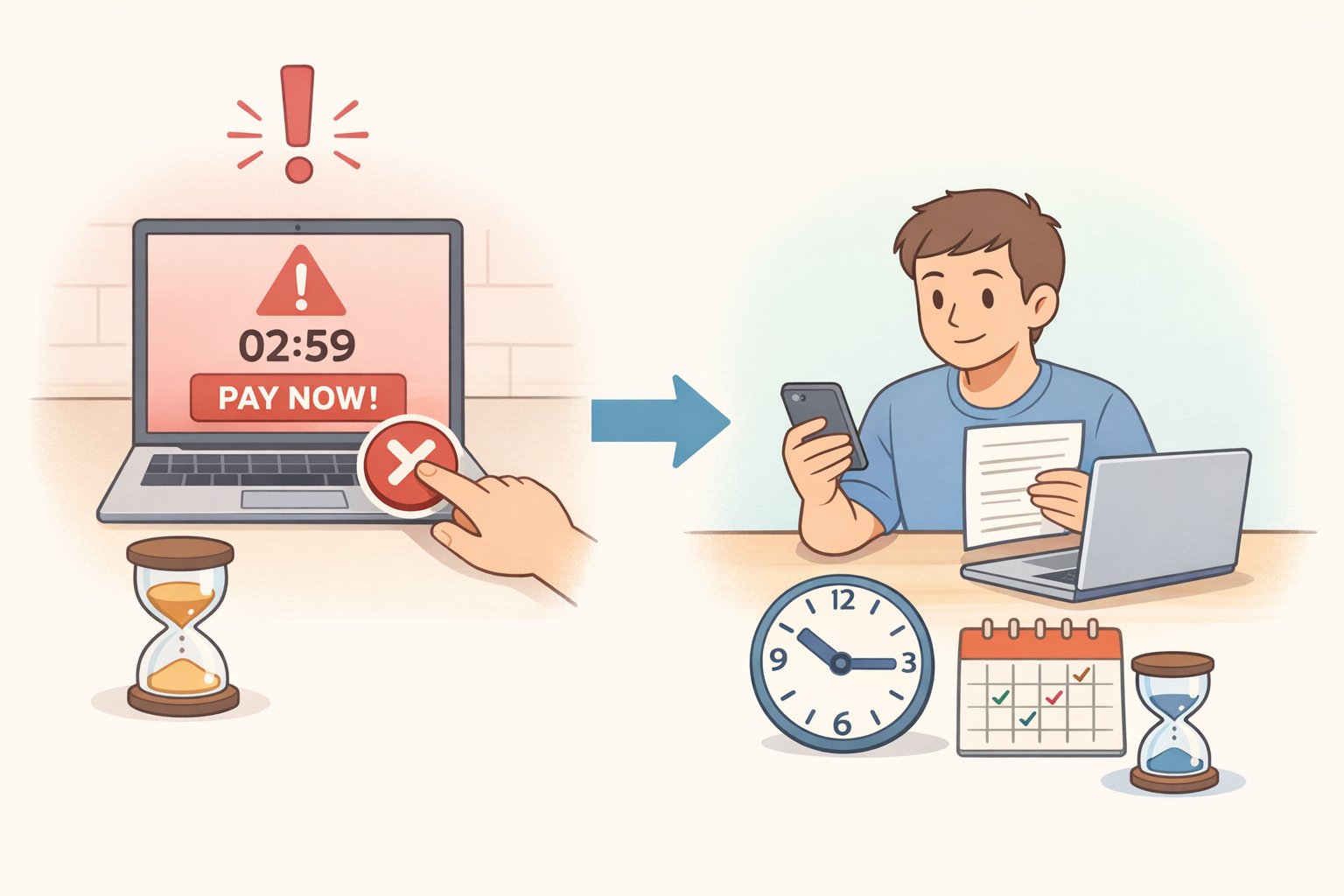
Urgency is the scammer’s favorite prop. If someone tells you to lock in a price now, claim a prize before it expires, or take a deal before the spot disappears, the goal is simple, they want you to skip verification. The FTC said this week that if anyone pressures you to make a quick decision to get a great deal, walk away.
That warning applies across the board, from fake rentals to free vacation offers to phishing emails with “ending tonight” deals. The FTC said in September 2025 that if someone will not give you time to consider an offer, that is your cue to move on. A legitimate booking can wait a day while you check the address, the site, the payment method, and the fine print.
If you have already paid
If the money is already out the door, move fast and keep your records together. Save screenshots, receipts, emails, text threads, the listing URL, and any seller details before you do anything else. Those are the pieces that help you explain what happened.
- Credit card: Contact your card issuer immediately and dispute the charge. The FTC pointed to credit cards in 2023 because they offer the strongest recovery path.
- Wire transfer, gift card, crypto, or payment app: Contact your bank or transfer service right away. Visa said in 2023 that recovery is unlikely, but prompt reporting still gives you the best chance available.
- All cases: Report it to the FTC at ReportFraud.ftc.gov, your state attorney general, and the platform where the listing appeared, per FTC guidance (updated May 2026).
Travel scams are built to look normal until the moment they are not. Check the price, verify the seller, go to the company directly, get the terms, pay by credit card, and ignore pressure. Do that, and the odds of keeping your money safe on vacation get a lot better.