
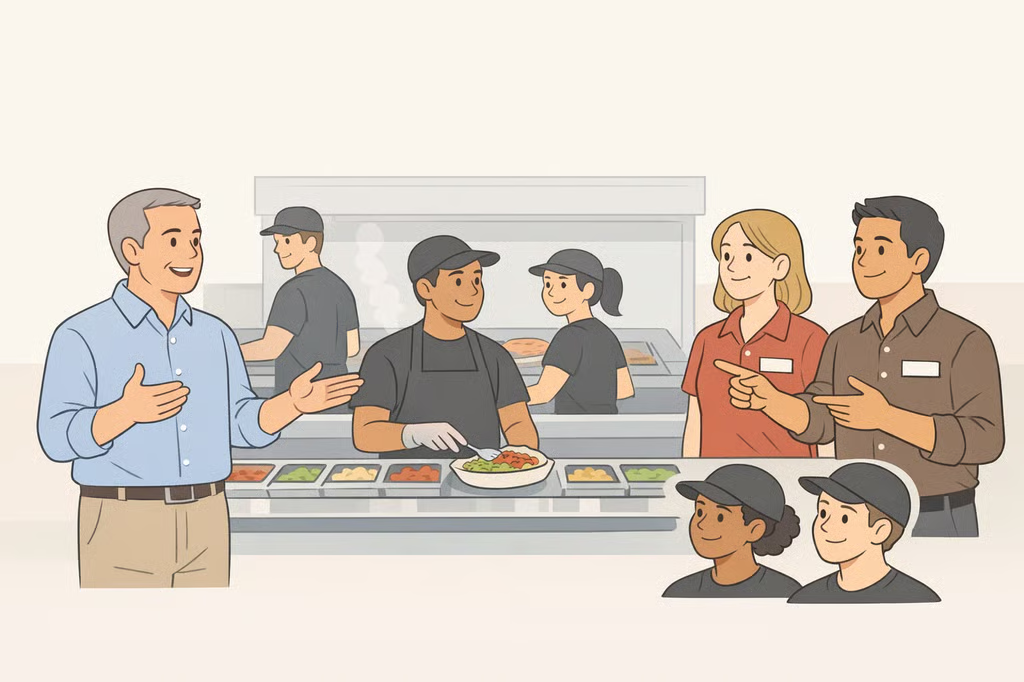
Chipotle COO leadership qualities: Scott Boatwright’s traits
When Scott Boatwright joined Chipotle in 2017 as chief operating officer, he says he found a company that had plenty of believers, but not a clean answer to a basic operational question: who was accountable for making sure a restaurant was staffed with quality team members. That question, and the silence that followed it, helps explain the Chipotle COO leadership qualities he has since emphasized: clear ownership, execution, and a willingness to build the next layer of management from within.
Boatwright, who is now CEO, has framed that period as one of fast growth and uneven leadership maturity. In a May 2025 interview, he said the brand had grown quickly, the culture was fractured, and executives at all levels believed in Chipotle but did not have a firm grasp on how to deliver on expectations. The company lacked a north star, he said, and people were second-guessing themselves.
That history matters because Chipotle is still expanding at a pace that makes leadership a logistical problem, not a feel-good talking point. Boatwright said in the same May 2025 interview that Chipotle plans to open between 315 and 345 restaurants this year and still sees a runway to 7,000 locations in North America. He also said the chain logged more than 24,000 promotions last year, with almost 90% filled internally.
How Chipotle identifies potential leaders


The first trait Chipotle seems to prize is accountability, and Boatwright’s version of that word is not abstract. He said that when he asked who was accountable for staffing a restaurant with quality team members, no one could answer, and that led him to a rule that the accountability has to lie with one individual (May 2025 interview). Not a committee. Not a cloud of shared responsibility. One person.
Chipotle responded by creating top-five accountabilities by position across the hierarchy, a framework Boatwright described as tailored to each role (May 2025 interview). That sort of structure may sound obvious from the outside, which is usually a sign it was missing for a while.
The same logic shows up in how he still operates. Boatwright said he continues to go unannounced to restaurants, including a trip scheduled for the next day in the interview, which suggests he wants to see the system as it actually works, not as it looks in a presentation (May 2025 interview). The point is less surveillance than calibration. If you want to know whether leadership is real, look for the paper trail and the floor tiles.
Another signal is development. Chipotle has built programmatic modules for leadership at all levels and brought above-restaurant leaders into in-person classes at its support center (May 2025 interview). That matters because the company’s promotion numbers suggest the bench is not a side project. It is the engine.
Chipotle team dinners leadership, and the limits of the evidence
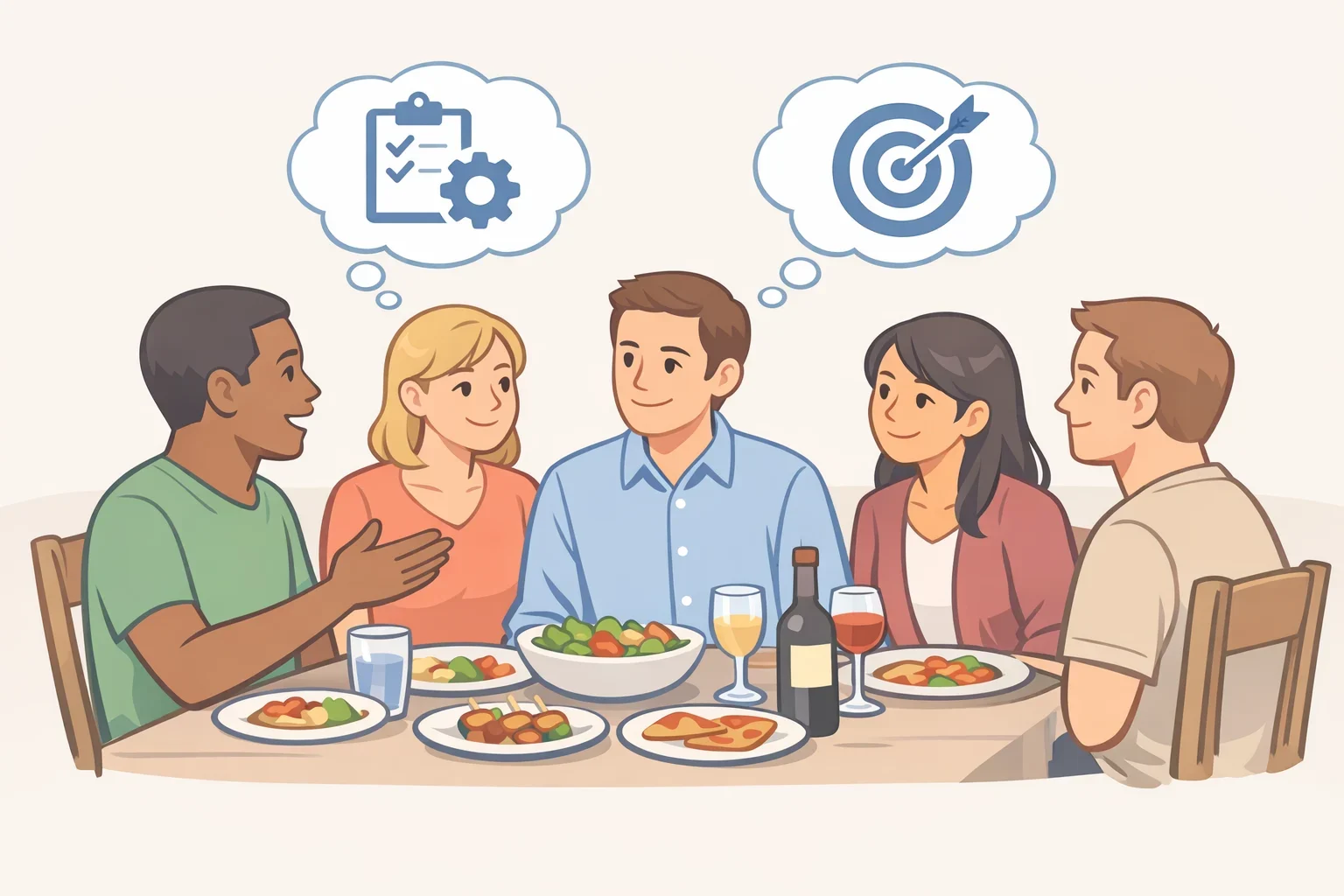
The dinner angle is where the story gets tempting and where the evidence gets thinner. The interview does not verify a formal team-dinner checklist, and it does not say Boatwright uses dinners as a structured leadership test. So the cleanest reading is not that he has a secret four-point rubric tucked into a steakhouse booth somewhere. It is that informal settings often reveal the same traits his leadership philosophy already values.
That means the more defensible question is not, “What does he score at dinner?” but, “What qualities would show up in an informal setting if he were watching?” Based on his own remarks, those qualities are ownership, clarity of thinking, execution, and the ability to lift other people up. That is an inference, not a verified protocol, but it is a fair one.
Boatwright’s language around talent backs that up. He said, “You deserve the opportunity and more importantly, you're the right person for the opportunity” (May 2025 interview). That is not the vocabulary of a company trying to protect org charts. It is the vocabulary of a company trying to identify people who can handle more responsibility without making everything around them wobble.
The internal promotion rate points in the same direction. If nearly 90% of promotions are filled from within, then the company is not merely hiring for credentials and hoping for the best. It is looking for people who already understand the machine, or at least know how to learn it quickly.
The leadership traits Chipotle COO looks for in leaders
Boatwright’s remarks support a short list, though not the neat four-item menu the original headline promised.
First, he seems to look for accountability without fog. The staffing anecdote is the clearest proof of that. Leaders who can say exactly what they own, and who do not disappear into collective language when something breaks, fit his model.
Second, he values execution over sentiment. He described the leadership group he found in 2017 as well intended but not equipped to deliver on expectations (May 2025 interview). That distinction matters. Plenty of people can agree on a goal. Fewer can turn it into a cleaner dining room, faster onboarding, or a better restaurant experience.
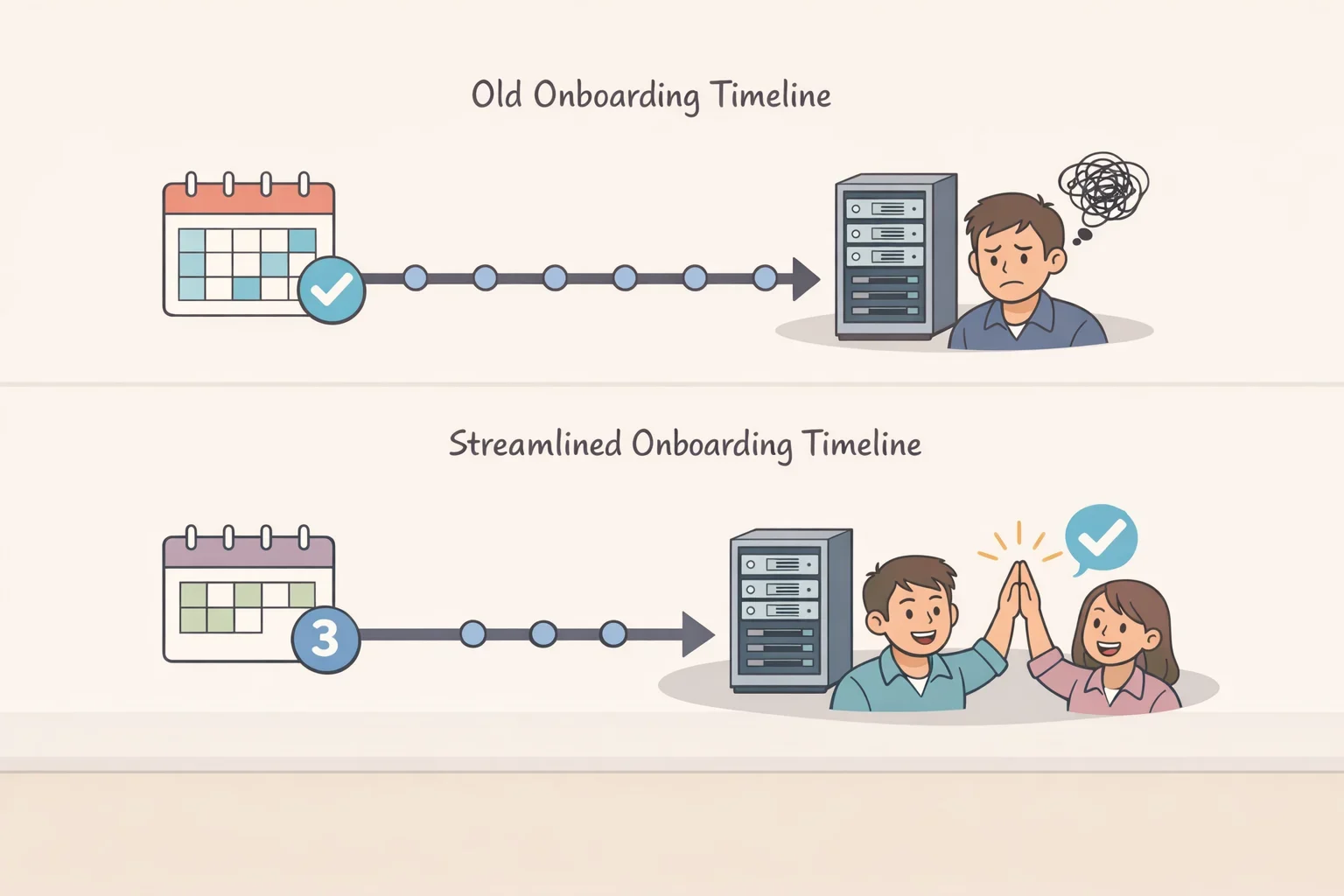
Third, he looks for operational clarity. Boatwright said Chipotle redesigned deployment methodology to solve dining room and station cleanliness issues, and he said the company cut onboarding time from 14 days to about three (May 2025 interview). Those are not glamorous achievements. They are the kind that make a restaurant easier to run, which is often the real test of leadership anyway.
Fourth, he treats developing others as part of the job. Boatwright said he wants to grow the next generation of leaders for the brand and for the industry (May 2025 interview). That makes sponsorship more than a nice gesture. In his framework, leaders are supposed to leave behind stronger people, not just cleaner spreadsheets.
What this means for anyone trying to get noticed
Chipotle’s growth plans make those traits more than internal philosophy. If the company is still opening hundreds of restaurants a year and aiming for 7,000 in North America, it needs leaders who can scale without turning the place into a paperwork museum (May 2025 interview). That kind of growth rewards people who are dependable, direct, and comfortable being measured by outcomes.
The internal promotion rate is the bigger tell. When almost 90% of promotions come from inside the company, the real competition is not just experience on a résumé. It is whether someone has shown they can own a problem, execute cleanly, and make the next person up the chain better.
That is the core of the Chipotle COO leadership qualities story. Boatwright’s version of leadership is not charisma dressed up as strategy. It is accountability, operational discipline, and talent development, all working in the same direction. If a team dinner happens to surface those traits, fine. But the job is to show them long before the food arrives.