
Career Skills for the AI Era Explained: Human Fluency
The AI job market is not following the neat script everyone expected. It is trimming some tasks, boosting others, and often doing both inside the same role. That is why the most useful career skills for the AI era are not just about using the tools. They are about knowing what the tools are for, where they fail, and when a human still has to step in.
A systematic review published in Frontiers earlier this year, drawing on 94 studies, found that postings for entry- and mid-level software development and content-creation roles in high-income economies fell by 14% to 41% between 2022 and 2024. The review also noted a 15% to 22% wage premium for workers who can show AI-augmentation capabilities, which is a helpful clue about where the market is placing its bets. Meanwhile, the Burning Glass Institute found that automation-exposed skills were 16% more likely to lose demand, while augmentation-exposed skills were 7% more likely to gain it, and that the jobs seeing the most automation are also seeing the most augmentation (Burning Glass Institute, early 2026).
That split matters because the old argument, that AI either replaces jobs or creates them, is too tidy. A project manager is not being erased from the org chart. What changes is the day-to-day work. Some of it gets automated. Some of it gets easier. Some of it becomes more important precisely because the machine cannot do it well.
What AI is actually doing to jobs
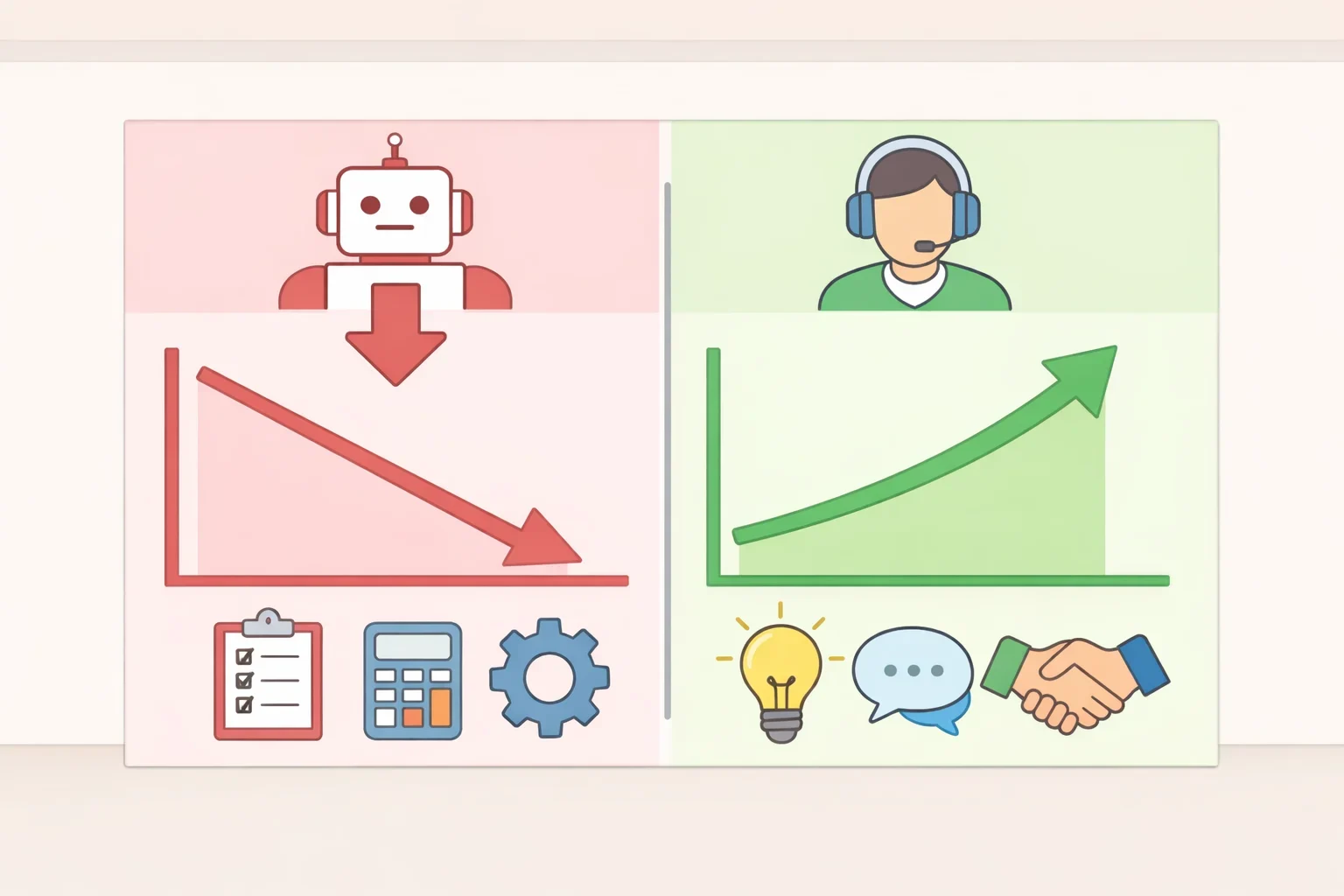
The clearest pattern in the research is not wholesale replacement. It is selective pressure. Routine cognitive tasks and junior roles are the most exposed, while infrastructure, security, and quality assurance roles are expanding even as some developer roles contract, according to the Frontiers review (Frontiers, earlier this year).
That does not mean every role is neatly divided into “safe” and “unsafe” categories. The Burning Glass data point in a different direction: the same jobs can face both automation and augmentation at once (Burning Glass Institute, early 2026). A marketing lead may use AI to draft campaign copy in minutes, then spend the real time on positioning, channel judgment, and deciding which idea is worth shipping. The copy was never the job. It was only the part that made the calendar look full.
An NBER working paper published earlier this year makes a similar point from another angle. The evidence it reviews does not suggest AI is driving a large-scale replacement of workers by machines in output or knowledge work. Instead, it looks more like a productivity-augmenting tool used by workers, with human judgment still essential in most tasks, at least for now (NBER, 2026). That is not a comforting slogan. It is a warning to people who think they can coast on task execution forever.
The career skills for the AI era in practice
This is where the conversation usually gets vague, which is a pity, because the practical part is the whole point.
The research is clear that AI tools can deliver real gains. Workers using GitHub Copilot completed a programming task 55.8% faster than a control group, customer-support workers with AI assistance resolved 15% more issues per hour on average, and consultants using AI on tasks within its capability frontier produced better-quality work than those without it (NBER, 2026). None of that sounds marginal. It is the difference between a useful assistant and a fancy dashboard.
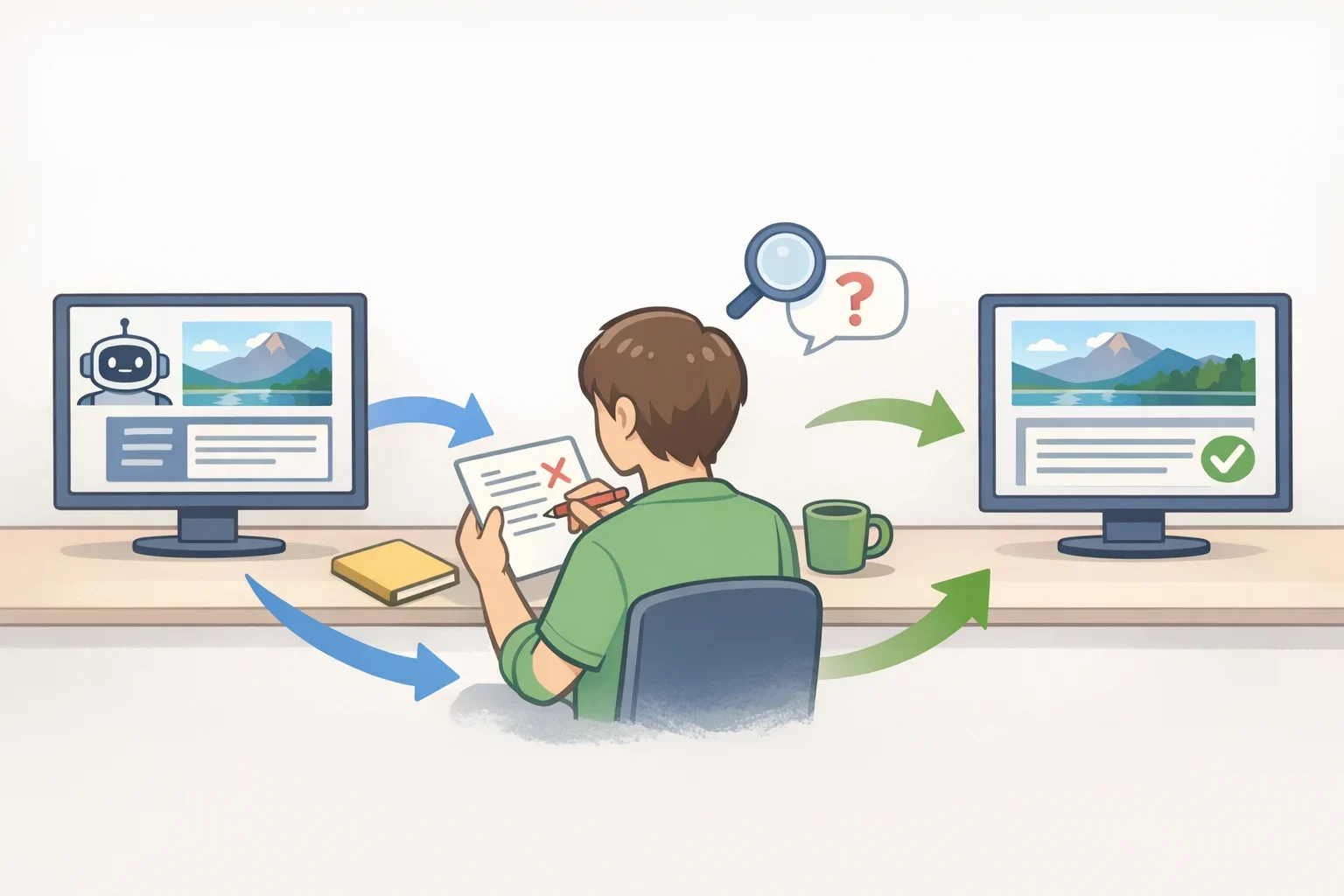
But the ceiling matters as much as the lift. For tasks at or beyond AI’s capability frontier, access to the tool can lower performance (NBER, 2026). The workers who benefit are the ones who know what they are trying to build, can tell when the output is off, and are not seduced by fluent nonsense. That is judgment, not prompting.
Ethan Mollick put the point in plain language after testing Claude Code in March 2025. He built a working game by asking for it in English, then showed that the real skill was not typing magic words. It was knowing what to ask for, judging the result, and giving the next round of feedback (Mollick, One Useful Thing, March 2025). His lesson is simple enough to survive the hype cycle: vibecoding is most useful when the person using it already has some knowledge and does not need the AI to think for them.
That is what the strongest AI-era workers look like in practice.
- A marketer uses AI to generate first drafts, then relies on audience insight, taste, and brand judgment to choose what deserves attention.
- An analyst uses AI to speed up cleaning, summarizing, and pattern spotting, then uses domain knowledge to test whether the pattern makes business sense.
- A project manager uses AI to surface risks, draft status updates, and organize notes, then uses coordination skills to settle disagreements and keep the work moving.
- A software engineer uses AI to accelerate boilerplate and debugging, then uses systems knowledge to decide what is safe, elegant, and maintainable.
In each case, the machine takes the drudgery. The human decides what matters.
Why human skills are the real moat
There is a familiar objection here: technical AI skills are what the market rewards, so that is where the focus should go. That is partly right. The NBER paper notes that a larger supply of AI-expert workers amplifies productivity gains from better tools and softens the rise in wage inequality that often follows technological shocks (NBER, 2026). AI literacy is not optional.
Still, the wage data complicate the simple “learn prompting and you are done” fantasy. The premium identified in the Frontiers review attaches to AI-augmentation capabilities, meaning the ability to integrate AI into work that still depends on judgment and context (Frontiers, 2026). That is a different thing from memorizing a few clever prompt templates and calling it a career strategy.
The World Economic Forum and LinkedIn are blunt about the rest. GenAI can handle writing, editing, and data analysis, but it does not have leadership, teamwork, negotiation, or relationship-building skills, and those are critical for implementation and for business operations more broadly (WEF/LinkedIn, 2025). In other words, the work that gets AI output used, trusted, and funded still belongs to people.
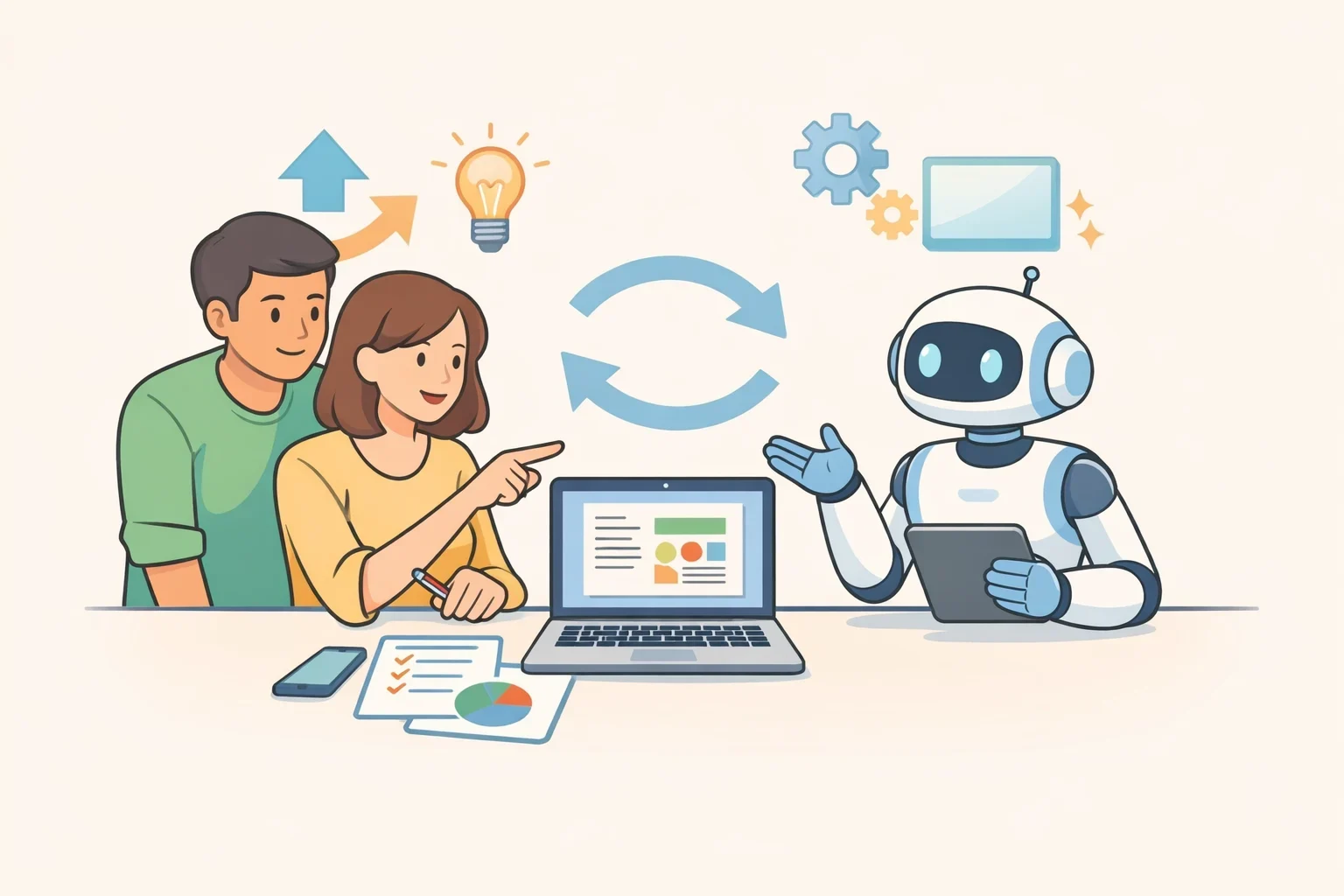
Mollick’s idea of “co-intelligence” fits neatly here. The strongest results come from finding the right point of collaboration for a given task, not from handing everything over or pretending the tool does not exist (Mollick, March 2025). That is why judgment, domain depth, and human fluency are not soft skills in the flimsy corporate sense. They are the difference between using AI and being used by it.
The skills that will hold up
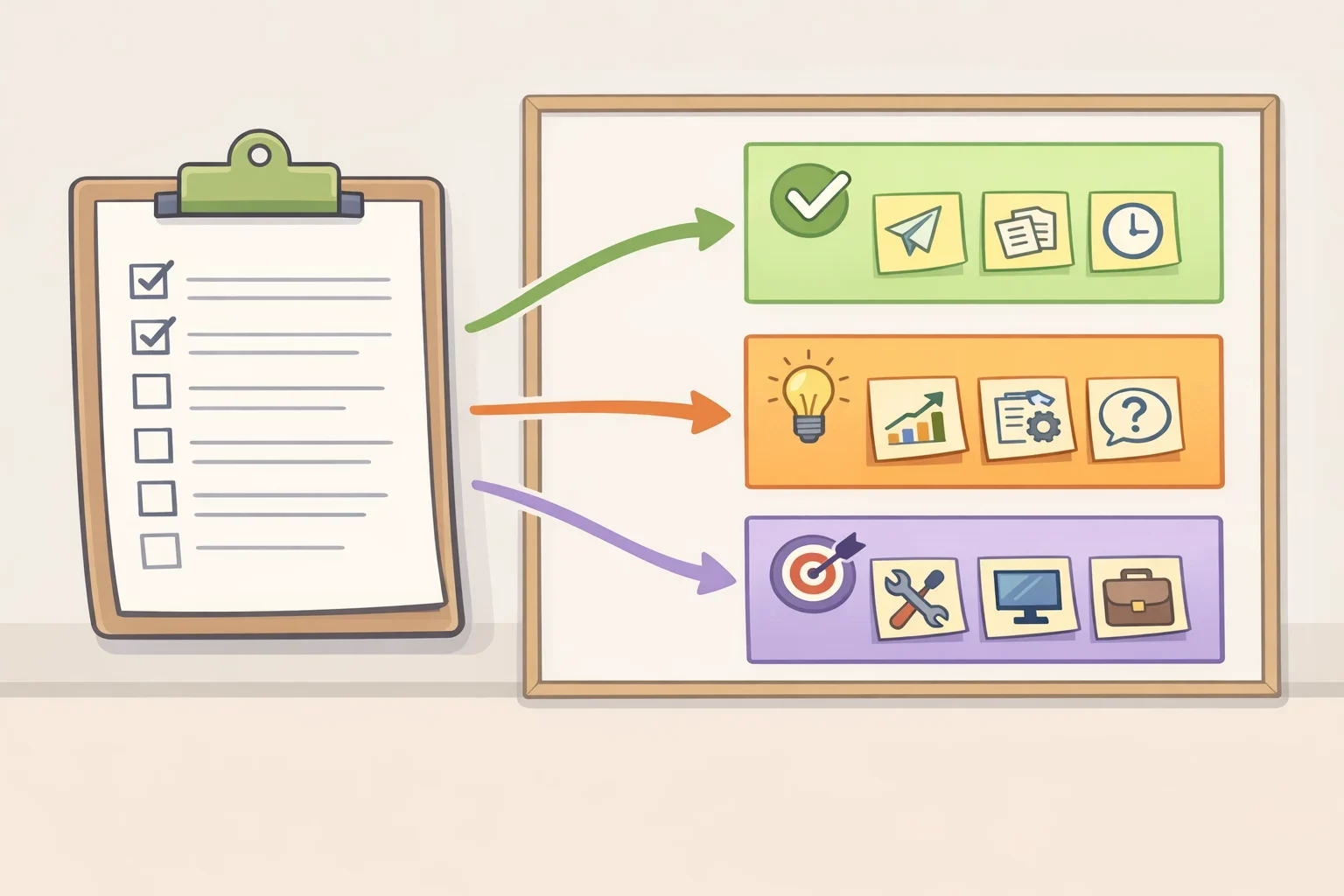
The jobs most exposed to displacement are already showing the pattern: routine cognitive work at junior and mid-levels is under pressure, while roles built around oversight, verification, coordination, and systems thinking are gaining ground (Frontiers, earlier this year). The question is not whether that will continue in exactly the same way forever. It is whether a worker is positioned on the side of the shift that gains use.
The World Economic Forum says skills needed for work are expected to change by 70% by 2030, and nearly two-thirds of professionals already feel overwhelmed by how fast jobs are changing (WEF/LinkedIn, 2025). That should prompt a practical audit, not panic. Which parts of the job are becoming easier because of AI? Which parts now require better judgment because AI has taken the easy stuff? And which adjacent skill, maybe facilitation, maybe analytics, maybe writing, would make the whole role harder to replace?
That is the real answer to career skills for the AI era. Learn the tools, yes. But do not confuse tool fluency with career security. The durable advantage belongs to people who can frame problems clearly, make good calls under uncertainty, work smoothly with other humans, and use AI as a force multiplier rather than a substitute for thinking. The market is already pricing that difference, and it is not being subtle about it.