
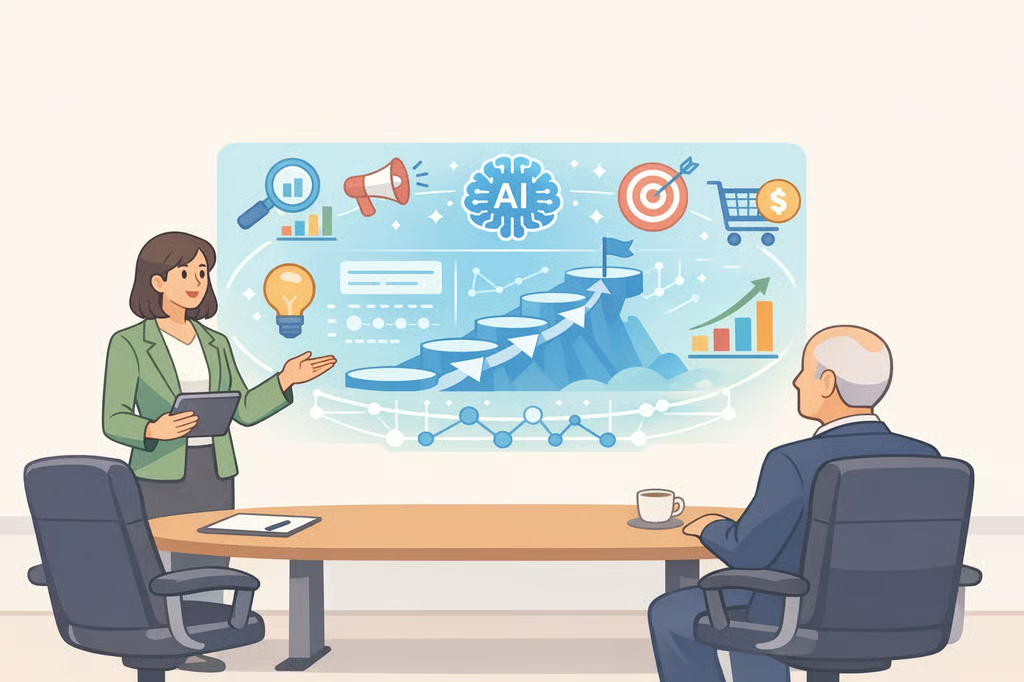
Why AI Transformation for CMOs Is Becoming a CEO Pathway
More than 80% of CEOs are dissatisfied with their company’s progress on AI transformation, Bain reported in late May. That is a management problem, not a software problem. It is also the opening CMOs have been waiting for, if they are willing to do more than buy tools and call it progress.
The conventional view says this belongs to the CEO. Bain’s research also shows fewer than half of CEOs surveyed feel confident they can build the capabilities, including AI, at the speed needed to scale them (Bain, late May). That gap matters. Boards do not just need executives who can spot the shiny thing. They need leaders who can turn a technology wave into an operating model.
That is where AI transformation for CMOs starts to look like more than a buzz phrase. CMOs who lead real transformation, not just AI adoption, are building the same muscles boards expect from CEOs: commercial discipline, cross-functional authority, and the ability to get people moving while the floor is still being rebuilt beneath them. Deloitte Digital U.S. CMO Mark Singer has a neat phrase for the tension, “transforming while you’re performing” (MM+M, earlier this year). That is not a side quest. It is the job now.
What AI transformation for CMOs looks like in practice
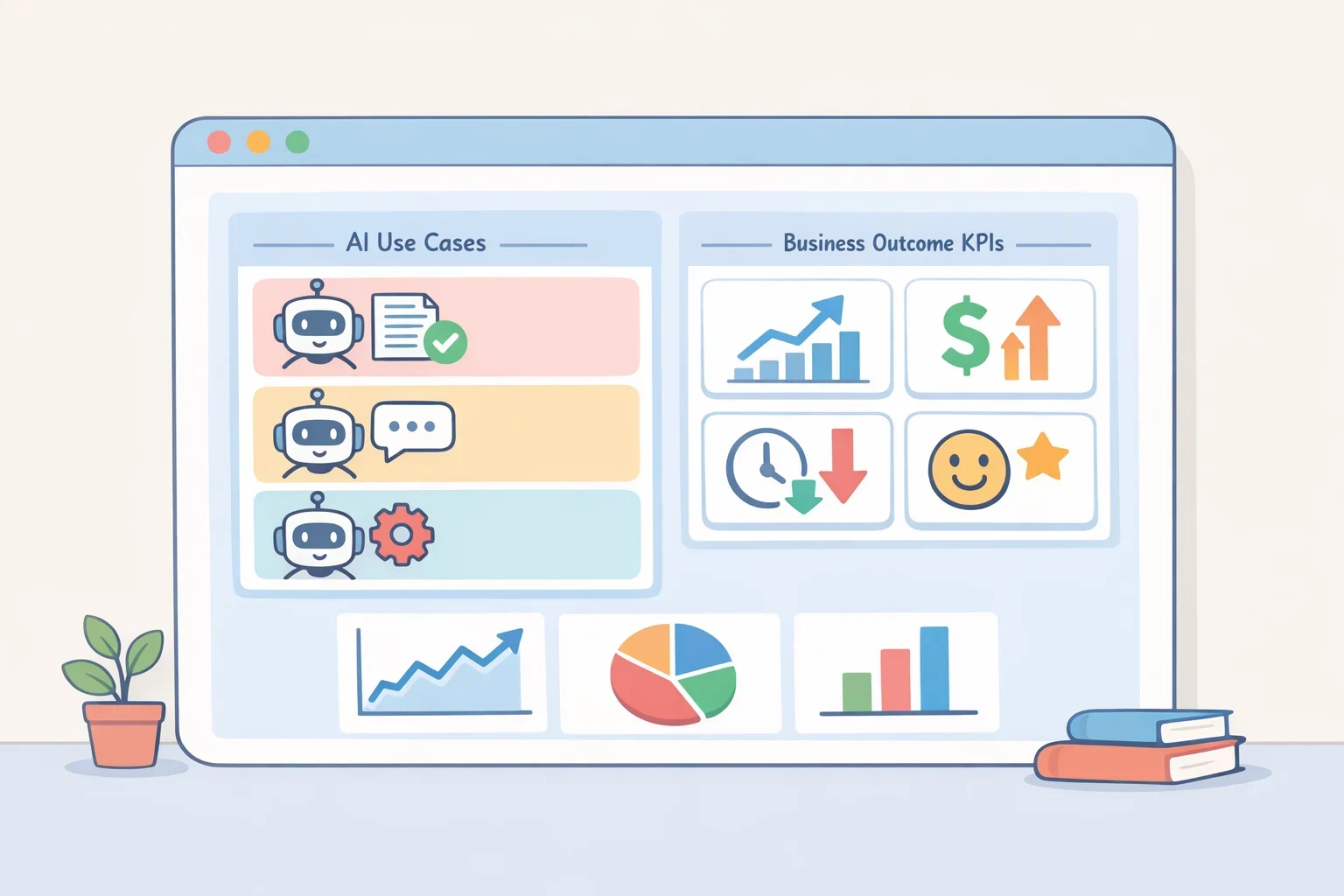
The cleanest way to understand the case is to look at what genuine AI transformation actually looks like inside a company. At JPMorgan Chase, that means more than 450 agentic AI use cases already deployed, part of a $19.8 billion technology spend this year dedicated in part to rewiring core workflows across every business line (Bain, late May). Bain says operations teams are now handling 6% more accounts per employee, fraud costs per unit have fallen 11%, and software engineer productivity has climbed 10% (Bain, late May). That is not a pilot. That is the bank changing how it works.
Bain’s point is blunt: CEOs who spend between 15% and 25% of their time on AI improve adoption and generate business results (Bain, late May). The leadership moves that matter are not technical ones. They are the unglamorous things that make transformation possible, centralizing platforms, talent, and use cases; removing structural, funding, and governance roadblocks; and keeping the work tied to business outcomes rather than tool demos (Bain, late May).
Singer’s own shop is making a similar bet. Deloitte Digital has invested in what it calls an agency operating system, a workflow-centric tool built around analytics, insights, creative, and campaign engines (MM+M, earlier this year). Singer says the firm wants to “focus on fixing the process first,” rather than start by launching new creative or agentic AI tools (MM+M, earlier this year). That is the useful lesson here. AI transformation is not about adding intelligence on top of a broken machine. It is about making the machine worth improving.
Why CMOs are unusually positioned to lead this work
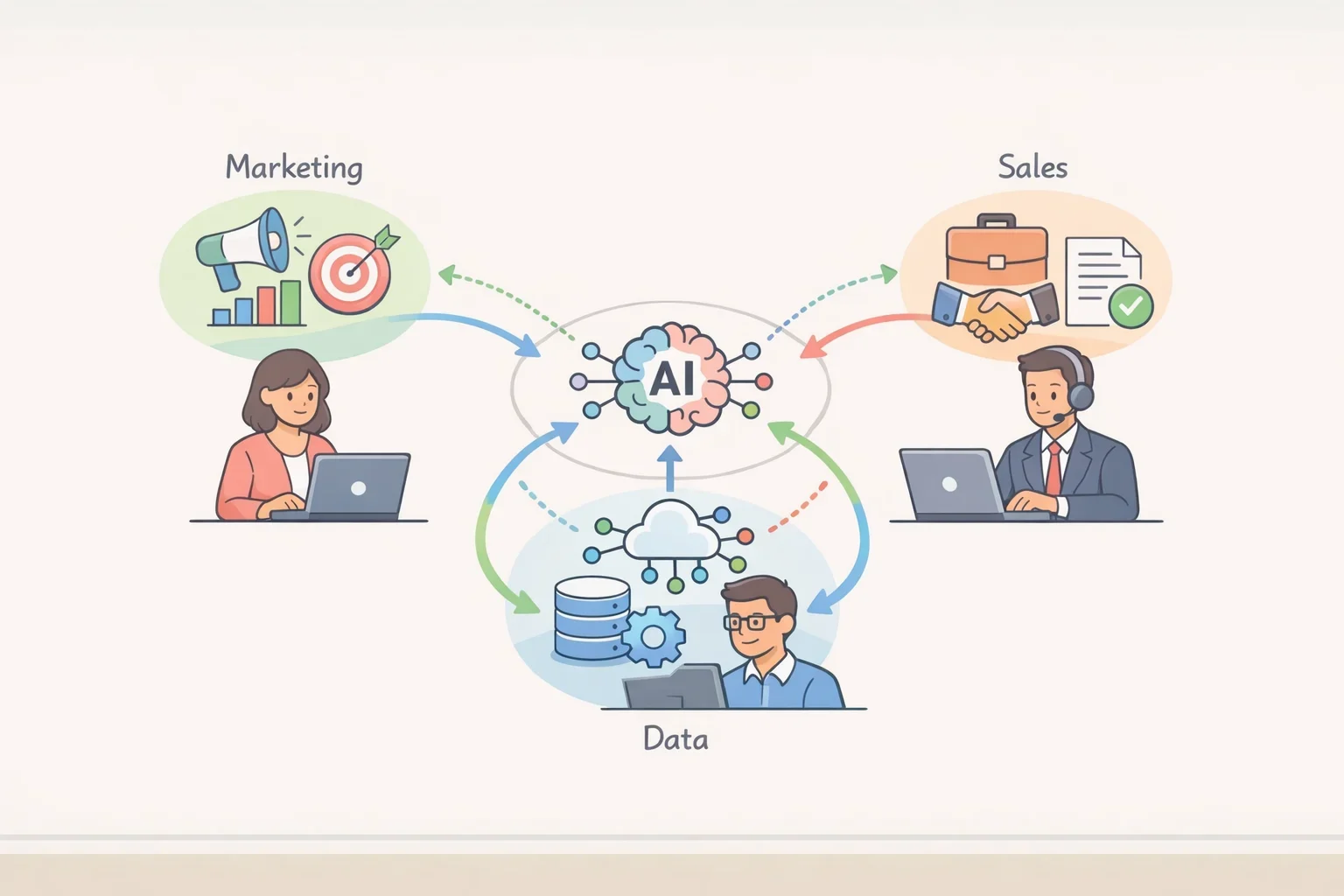
The modern CMO sits in a strange and underrated position. The role is close to the customer, responsible for growth, and forced to work across sales, product, data, and finance whether those functions are cooperating or not. Singer told the AMA in late March that today’s CMO must operate “across the enterprise, connecting silos, aligning sales and marketing, and unlocking new pathways for growth.” That is exactly the kind of cross-functional reach AI transformation requires.
It is also why the CMO can be better placed than some adjacent executives. A chief digital officer may know the infrastructure. A COO may know the operating levers. But the CMO is often the one who can connect technology investment to customer outcomes and commercial performance in language the rest of the business understands. That combination is rare. Boards notice rare.
Deloitte Digital’s work with Amgen is a good example. The firm helped modernize the company’s digital ecosystem by shifting 106 brand websites and 13,000 web pages from Sitecore to Adobe Experience Manager, while creating unified brand systems (MM+M, earlier this year). Singer said the result was an operational change, moving from every team managing its own website and experience to a more unified platform (MM+M, earlier this year). The change also affected sales, packaging, and product development (MM+M, earlier this year). That is the point. A CMO-led transformation can start with marketing and end up changing how the business functions.
Sean Summers of Mercado Libre made the uncomfortable version of the same argument at Cannes Lions. He said marketing lost credibility when it stopped talking the language of the business and built its own vocabulary instead, which reduced trust and helped create the chief growth officer role to fill the gap (The Drum, late June). His warning is worth taking seriously. AI transformation will not rescue a CMO who is hiding in brand poetry. It helps the CMO who moves toward the business problem.
The CEO-readiness traits transformation builds
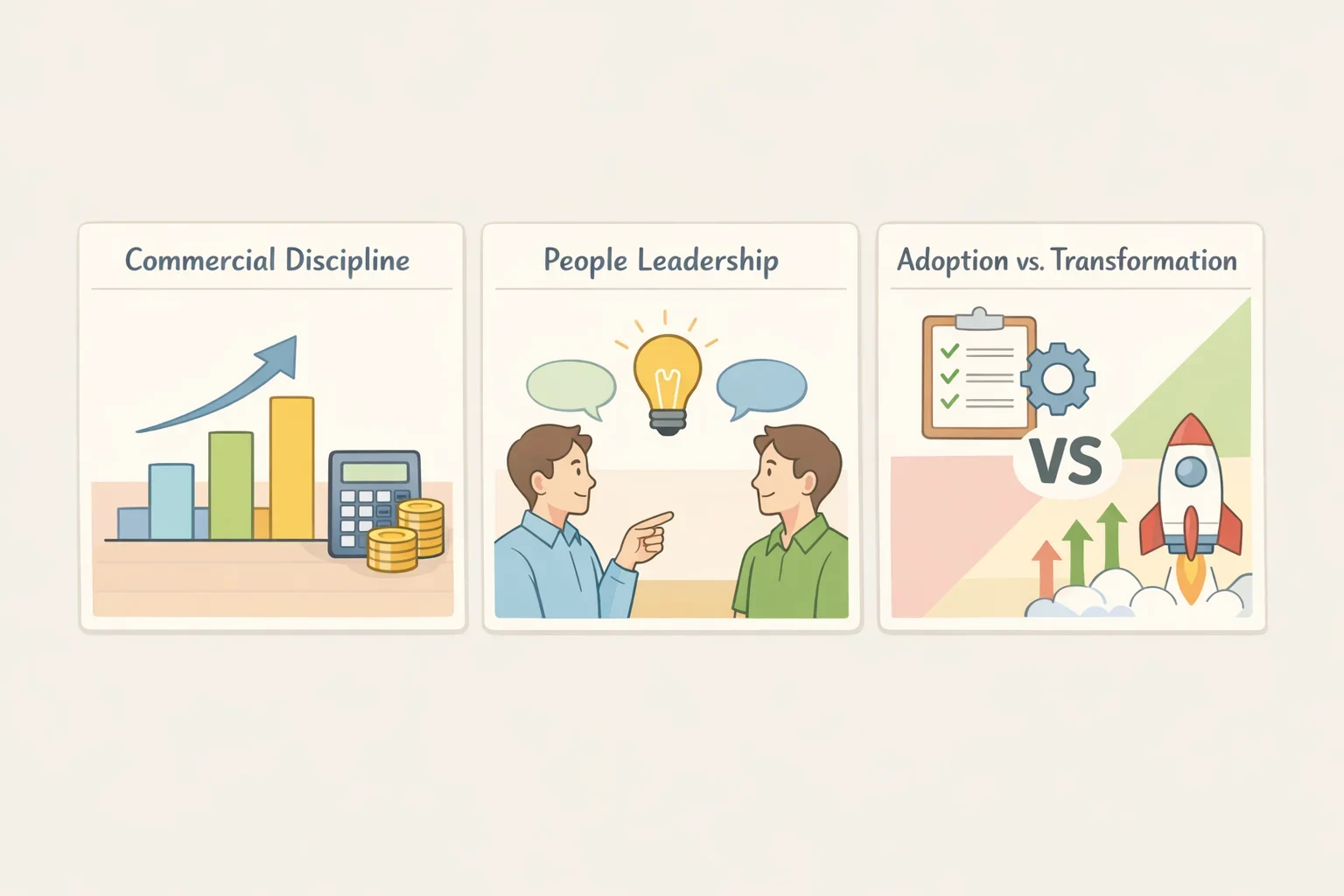
The first trait boards will care about is commercial discipline. Summers put it plainly: show short-term business results first, then earn the right to long-term brand-building work (The Drum, late June). That logic carries straight into AI transformation. If a workflow redesign cannot show up in revenue, margin, or efficiency terms, it is probably just a clever internal hobby.
The second trait is people leadership. Singer says that over the past year, getting people to innovate with AI, not simply deploying tools, has been “the real unlock” at Deloitte Digital (MM+M, earlier this year). In his AMA conversation, he urged leaders to “unleash your teams… let them experiment, let them learn. And at the same time, you learn from them” (AMA, late March). That is not soft stuff. It is how leaders build organizations that can adapt faster than their competitors.
The third trait is the ability to tell the difference between adoption and transformation. A CMO using AI can mean almost anything these days. A CMO leading AI transformation is doing something much narrower and more demanding. The work crosses functional boundaries. The CMO owns outcomes beyond the marketing line. The results are measured in business terms. And the organization itself changes, not just the software it buys.
Singer’s own view of leadership fits that test. He is explicit that he is “not a technical guy,” and says his job is to set ambitious goals, build capabilities, recruit talent, and put the routines and processes in place that let people excel (The Drum, late June). That sounds a lot like CEO work because, stripped of the jargon, it is CEO work.
Bain’s examples point the same way. Under current CEO John Furner, Walmart has centralized AI platforms and shared capabilities across the enterprise, with the goal of getting closer to customers and members (Bain, late May). The company is also rolling out customer-facing experiences, including integrations with tools such as Google’s Gemini, to make shopping more seamless, intuitive, and personalized (Bain, late May). That is a leadership story before it is a technology story.
What boards should infer
The strongest objection to this argument is obvious. Plenty of non-CMOs can lead AI transformation, and some may have better operational credentials on paper. Fair enough. This is not a claim that the CMO is the only route to the corner office. It is a claim that the version of the CMO who can lead enterprise reinvention is developing a very board-friendly set of skills.
Singer’s framing is useful here. “The future of the profession and the professional have to change together,” he said in late February (AMA, February 2026). That is the part ambitious marketers should hear most clearly. This is not about learning a new software stack and waiting for applause. It is about taking on a harder class of problem and proving you can handle it.
Bain’s guidance for AI-ready leaders makes the same case from the top down: anchor in purpose, own the agenda, protect experimentation, and model the behavior personally (Bain, late May). CMOs who do that while keeping one eye on the customer and another on the business model are doing more than modern marketing. They are building a credible case for the CEO chair, one operating change at a time.
Most CMOs will not become CEOs. That was true before AI, and it will still be true after the next wave of transformation theater burns itself out. But the CMOs who lead genuine AI transformation are collecting the sort of evidence boards remember: they can align teams, drive results, and change how a business works without losing sight of the customer. That is not a guarantee. It is something better, a plausible path.