
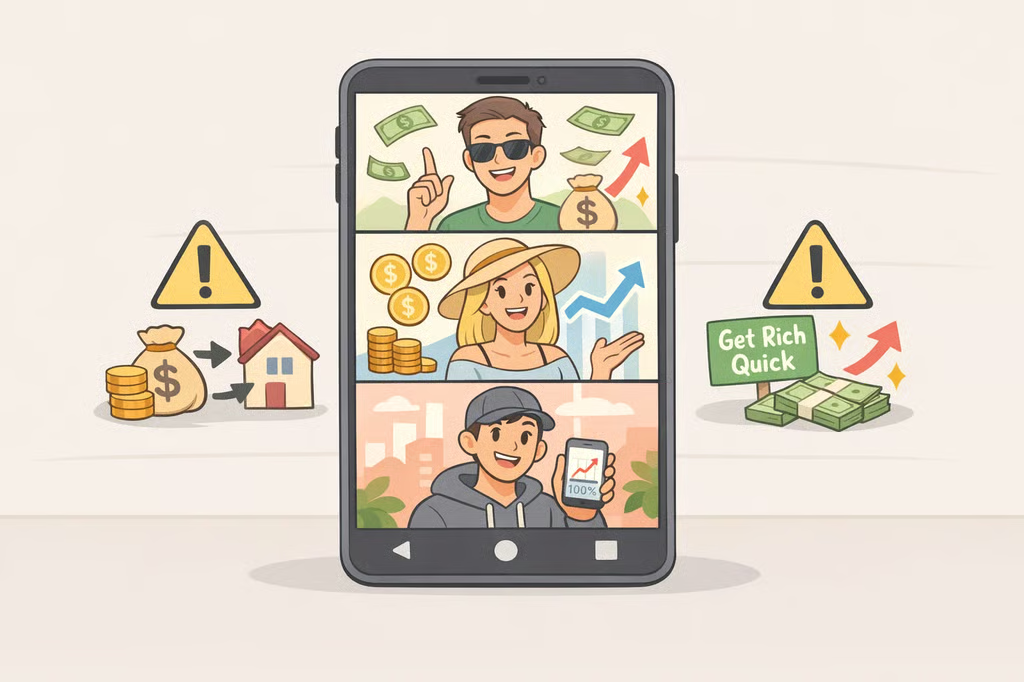
TikTok Financial Tips Explained: Confidence Beats Context
For millions of people under 35, TikTok has become a place where financial guidance arrives in the same feed as comedy clips, makeup tutorials, and bad dance decisions. That would be harmless enough if the advice were consistently decent. It isn’t. The problem is not just that bad money tips exist on the app. It is that the format rewards certainty, compresses nuance, and turns complicated decisions into something that looks alarmingly simple.
That matters because financial advice is not an area where a clean-looking shortcut is usually a real shortcut. Taxes depend on individual circumstances. Investing comes with trade-offs. Debt is rarely solved by a slogan. Yet TikTok’s short videos are built to make a point fast, keep attention, and move on. In that environment, a creator who says “do this and you’ll be fine” will almost always beat the person who says “it depends,” which is a terrible rule for money and a very efficient one for the feed.
The core issue is structural. TikTok’s recommendation system is built to push what people watch, rewatch, and share. Financial content that promises fast results, secret knowledge, or a simple path through a complicated system tends to travel well. The problem is not that every creator is acting in bad faith. Some are trying to help. Others are selling something. Many are doing a bit of both, which is where things get messy.
What gets lost in that blur is context. A 60-second video can tell someone to max out a retirement account, use a certain credit card, open a brokerage account, or avoid taxes with a clever move. What it usually cannot do is explain the exceptions, the risks, the fees, the timing, and the fact that the “best” move for one viewer can be wrong for another. Money advice stripped of context is not advice. It is a headline wearing a tie.
Why the format is so good at producing bad advice
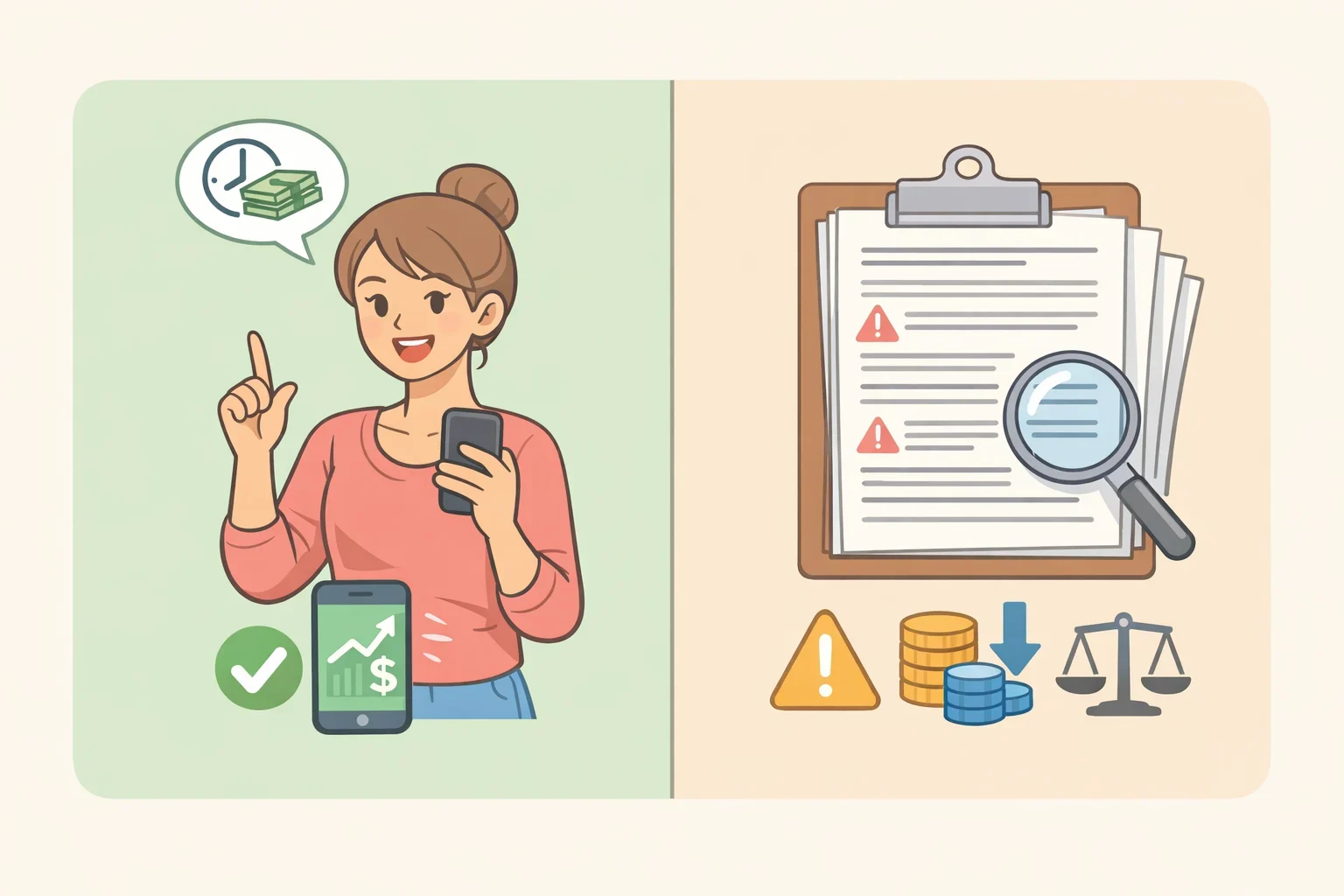
Short-form video has a nasty little logic of its own. The more complicated the truth, the less shareable it becomes. Financial literacy lives in the opposite direction, where detail matters and the caveats are often the point.
That creates a strong incentive to flatten everything. Creators do not need to be outright fraudulent to mislead. They can leave out taxes, gloss over risk, present a single strategy as universal, or turn a personal outcome into a general rule. A post about “passive income” can quietly omit the capital required to get started. A clip about investing can ignore volatility. A money hack can sound brilliant until you notice it only works under a narrow set of conditions.
This is why the most persuasive financial content often sounds confident in a way that good advice rarely does. Real financial planning is full of annoying questions. How old is the viewer? What are their debts? What state do they live in? Are they saving for a house, retirement, or a medical bill? TikTok trims all that away and serves the answer first. It is efficient. It is also how people end up treating a decent idea like a universal law.
There is a subtler problem too: the platform rewards emotional certainty. Fear sells. So does aspiration. A clip about “what banks don’t want you to know” or “how I retired at 24” has a built-in story shape. It gives people a villain, a hero, and a payoff in under a minute. That makes for strong content. It also makes for weak financial reasoning.
The behavior problem underneath the content problem

The real concern is not just whether some videos are inaccurate. It is what happens when people start using them as a financial compass.
When advice is delivered with confidence and repetition, it can feel trustworthy even when it is thin. That matters most for audiences who do not yet have much experience sorting good guidance from slick packaging. A viewer who has never opened a retirement account, never compared investment fees, and never had to read the fine print on a credit product may not have the background needed to spot the missing pieces. The video feels complete because the creator sounds complete.
That can shape behavior in small ways and large ones. A person might open an account they do not understand. They might chase a trend because everyone in their feed seems to be making money from it. They might delay learning the basics because a shortcut looked easier than the real thing. None of that requires a dramatic scam. Ordinary exaggeration is enough.
There is also an audience effect that gets too little attention: once a financial idea starts circulating widely on TikTok, the social proof can do a lot of the persuading on its own. If thousands of comments say “this changed my life,” the viewer does not need a full argument. They need a nudge. That is how weak claims become sticky. The video is the spark, but the crowd finishes the job.
Not every result is negative, and pretending otherwise would be lazy. Some people do encounter useful material on the app. A student may learn what a Roth IRA is. Someone with no prior interest in money may start asking better questions. That is real value. The problem is that the same system that can introduce finance to new audiences can also teach them a badly simplified version of it. The gain is real. So is the risk.
Why this keeps getting worse
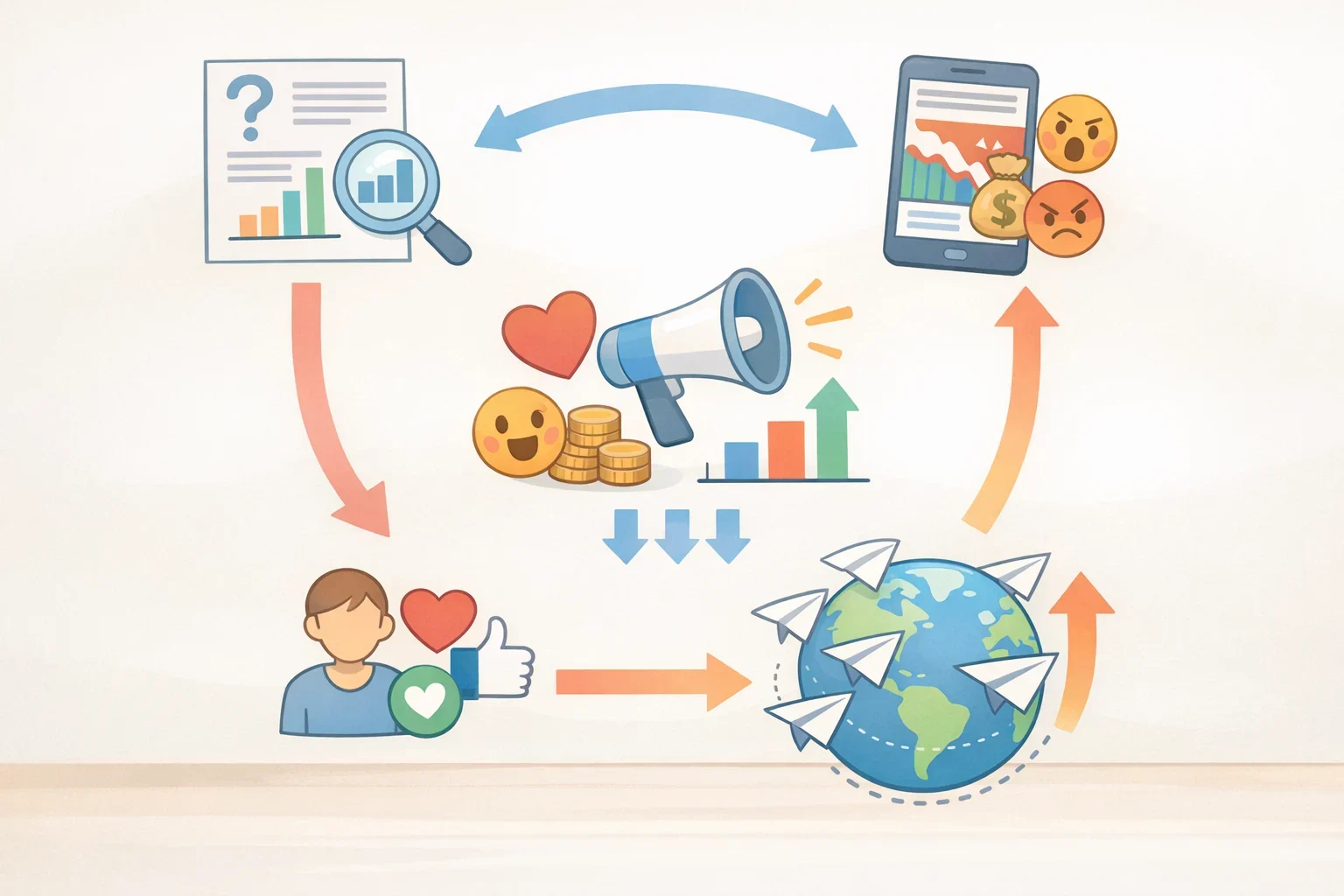
The reason this problem does not naturally wash out is that the incentives all point in the same direction.
Creators are rewarded for engagement, and engagement is easier to earn with bold claims than with careful explanations. Platforms are rewarded for time spent in app, and time spent in app is easier to get from content that creates emotion. Viewers are drawn to content that makes them feel informed quickly, especially when money is tight and uncertainty is high. That is not a conspiracy. It is a neat little machine.
The machine gets louder when money is stressful. Inflation, debt, uneven job markets, and housing pressure make people hungry for answers. A creator who offers certainty, or at least the appearance of it, meets a real demand. That is one reason financial misinformation is so durable. It feeds on a need that is already there.
The other reason is that financial mistakes are often invisible at first. A bad recommendation may not explode immediately. It can sit there, quietly shaping choices over months or years. That makes the harm harder to see and easier to dismiss. By the time the damage becomes obvious, the creator has posted 200 more videos and moved on to a new niche.
That is the part worth keeping in focus. The issue is not merely that some money advice on TikTok is sloppy. It is that the platform is well suited to turning sloppy advice into a repeatable format. Once a creator finds a claim that lands, there is every reason to keep refining the performance rather than the substance.
What makes the problem hard to regulate
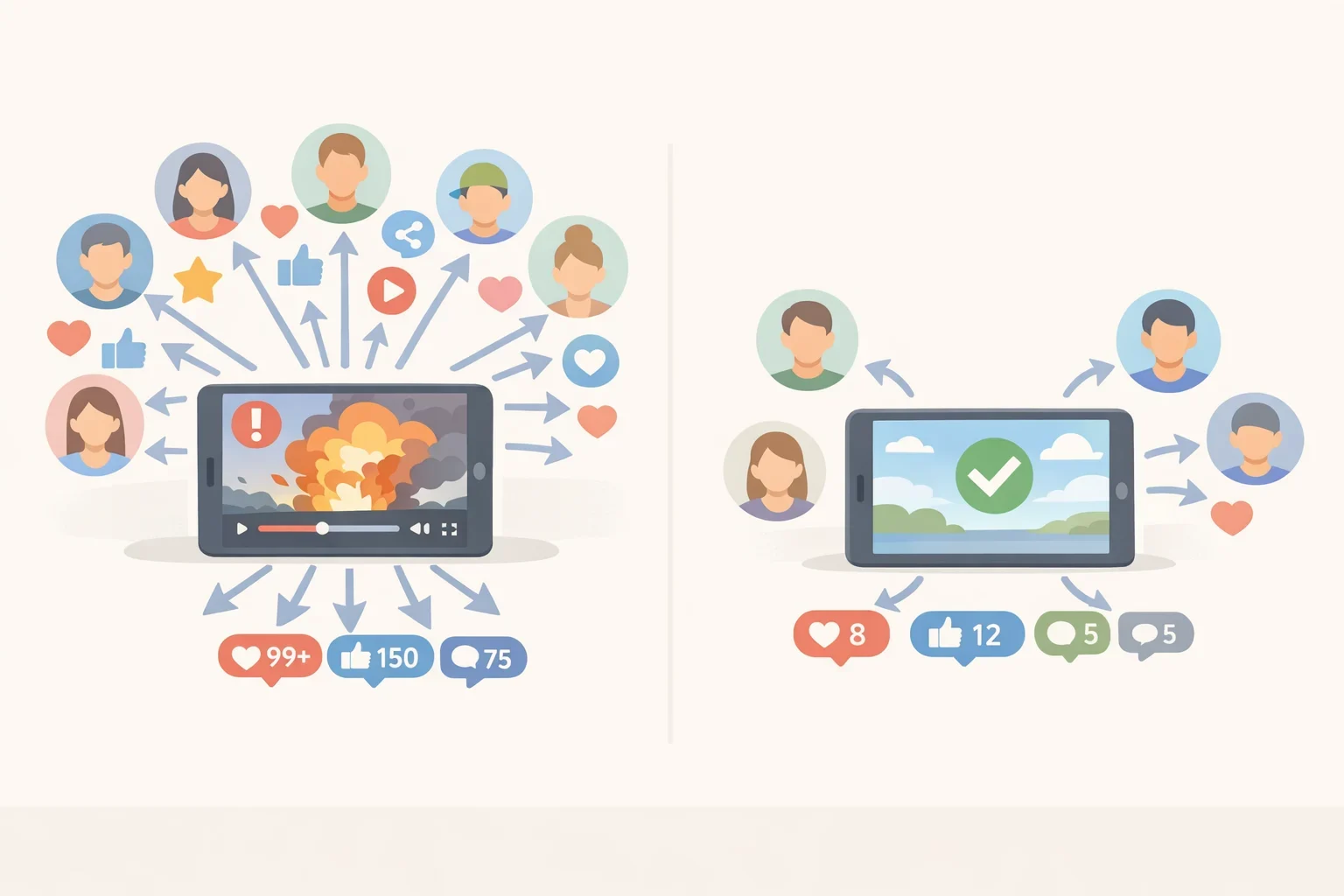
Part of the appeal of a platform like TikTok is its looseness. Anyone can post. Anyone can sound convincing. That openness is also what makes oversight difficult.
Traditional financial advice usually comes with some expectation of qualification, disclosure, or accountability. TikTok does not work that way. A video can reach a huge audience before anyone has time to challenge it. Even when a misleading clip gets corrected, the correction rarely travels as far as the original. The internet has many virtues. Equal distribution of embarrassment is not one of them.
That gap matters because the harm is often not obvious fraud. It is the grey zone between outright deception and carelessness. A creator may not lie. They may simply oversimplify in a way that becomes misleading once thousands of people treat the clip as guidance. That is a harder problem to police, because it sits just outside the clean lines of regulation and well inside the real world of consumer confusion.
Platform labels and disclaimers can help at the margins. So can better enforcement of obvious promotional abuse. But labels do not fix a video that looks authoritative while skipping every meaningful caveat. A warning buried under the comments section is not much of a counterweight to a creator speaking directly into the camera with total confidence. The format itself does a lot of the persuasion before any disclaimer gets a chance to breathe.
What readers should take from this
The useful way to think about financial advice on TikTok is not that it is all junk. That would be too easy. It is that the platform compresses a field that depends on context, and compression creates distortion. Some of that distortion is harmless. Some of it is not.
The smartest response is not to assume every creator is a fraud or every viral tip is poison. It is to treat confidence as a weak signal and simplification as a warning light. The more a clip promises a universal fix, the more carefully it deserves to be checked. Money rarely works in one size fits all. That is precisely why one-minute certainty is such a lousy substitute for judgment.
TikTok is unlikely to stop being a financial classroom for young users anytime soon. The better question is whether people will learn to treat it like one source among many, rather than a substitute for the harder work of understanding their own finances. For now, the platform is still better at producing attention than accuracy. Until that changes, the burden falls on viewers to remember a basic truth that the feed does its best to hide: if something about money sounds effortless, it is usually missing a step.