
How to Perform Under Pressure at Work: A Framework
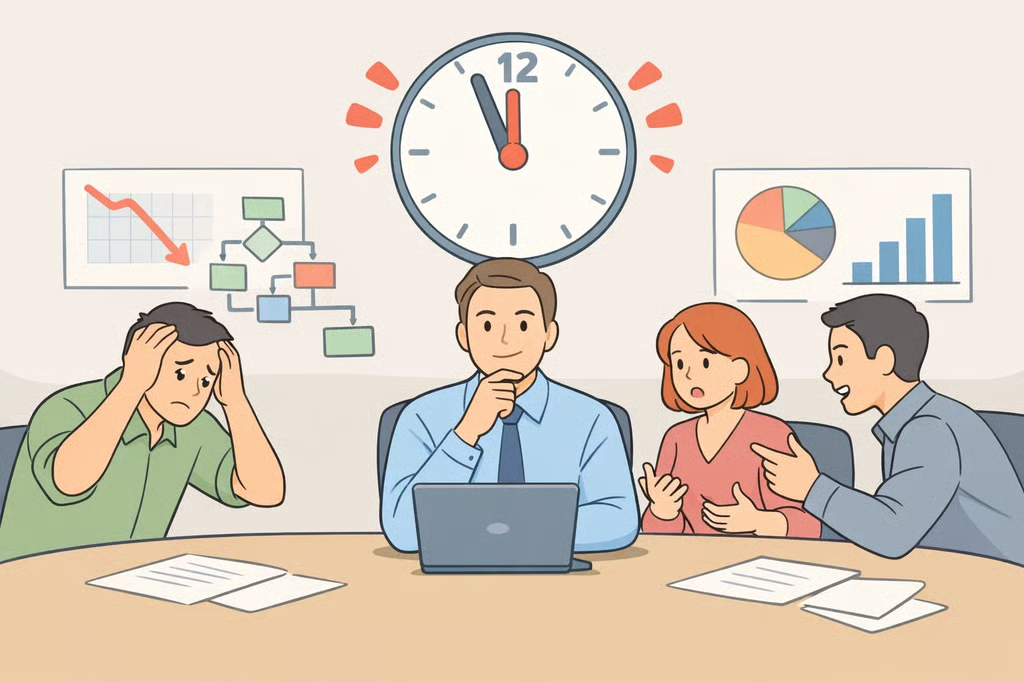
Pressure at work is not the exception anymore. If you know how to perform under pressure at work, you can make better calls when the room gets louder, the timeline gets tighter, and everyone starts looking for certainty that does not exist.
That is the useful skill here: not staying calm in some monk-like fantasy, but thinking clearly while the deadline is breathing down your neck. Harvard Business Review reported this month that today’s leaders face rising pressure on all sides, with stress levels now higher than they were at the peak of the pandemic.
The work is not to remove pressure. It is to build a repeatable way of handling it before it starts handling you.
Prerequisite: This framework fits people who make recurring high-stakes decisions at work. It is not a substitute for clinical support if stress has turned chronic or you are dealing with burnout or mental health symptoms.
Step 1: Spot your default reaction before the stakes do it for you
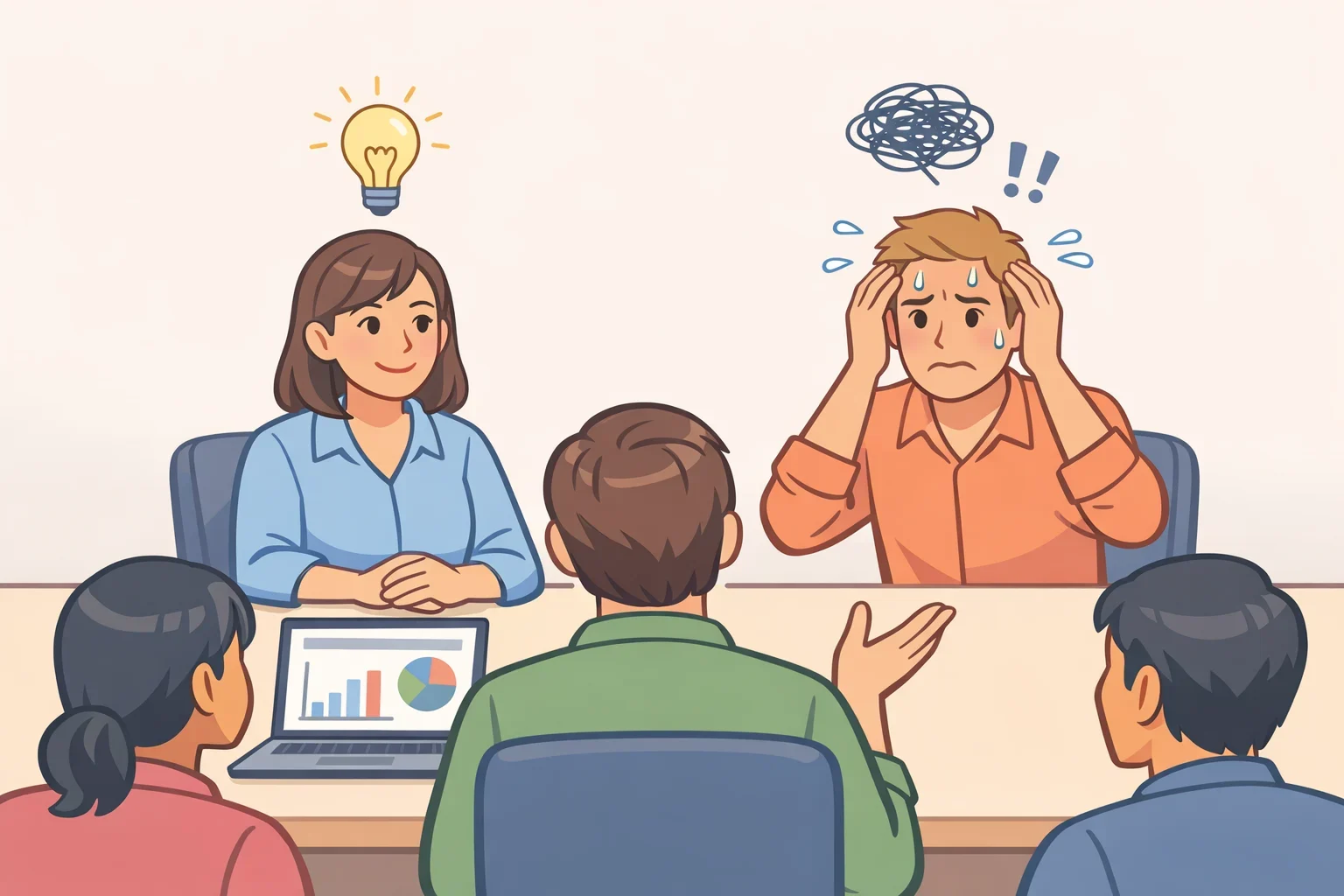
Pressure reveals how you naturally respond when decisions matter most. Harvard Business Review noted last month that, in high-stakes moments, default reactions shape what you notice, how quickly you move, and where your blind spots show up.
That sounds abstract until it lands in a real meeting. Picture a manager walking into a budget review and freezing when the finance chief asks which project gets cut. One person starts talking fast and throws out half-formed defenses. Another goes quiet and hides behind more spreadsheets. Both are under pressure. Only one is actually seeing the problem clearly.
The point is not to judge the reflex. It is to notice it early enough to adjust. HBR said last month that performing well under pressure starts with understanding those patterns and building the flexibility to respond differently when circumstances demand it.
Run this after the next hard meeting, call, or conversation:
- What did I focus on?
- What did I ignore?
- Did I move faster or slower than the situation called for?
- Where did I feel most uncertain, and what did I do with that uncertainty?
Repeat it a few times and the pattern usually shows itself. Maybe you over-index on speed and miss signals from the room. Maybe you get so focused on harmony that you avoid the sharp sentence that should have been said.
Step 2: Manage your emotional state before you make the call
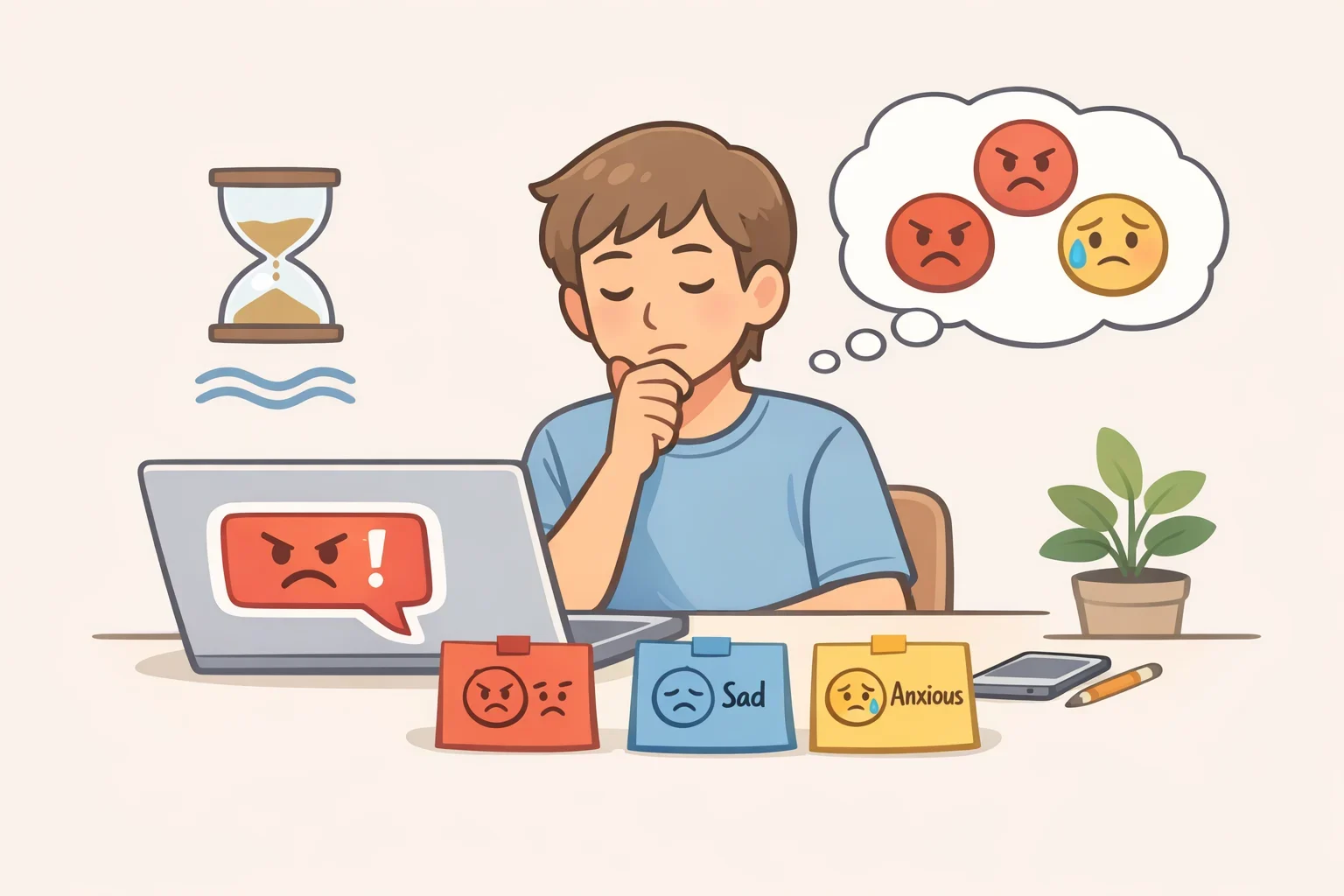
High-pressure leadership skills start here, because strong emotions can distort judgment. HBR said last month that great coaches are judged by what they do when information is incomplete and time is short, and that they need to stay steady, read the situation around them, and trust the preparation they have already done.
That same logic applies at work. You do not need to erase the feeling. You need to stop it from driving the decision. Research published in Brain Sciences (2024) shows that mental stress affects attention, working memory, decision making, and processing speed, which is why a tense moment can suddenly make an intelligent person sound one layer less intelligent than usual.
A simple workplace example: a director gets an angry Slack message from a senior stakeholder five minutes before a client call. The wrong move is to fire back instantly. The better move is to pause, label the emotion, and narrow attention to the one decision that matters next, which might be whether to answer now, wait ten minutes, or ask for a call later.
Use this sequence instead:
- Name what you are feeling.
- Narrow attention to the next decision, not the whole spiral.
- Pause long enough to interrupt the first reaction.
That pause can be short, even thirty seconds. A breath. A note on paper. A quick step out of the room. Small things, but they keep the moment from turning into a reflex.
Step 3: Make decisions under pressure with preparation, not impulse
The cleanest way to make decisions under pressure is to do some of the thinking before the pressure shows up. Harvard Business Review reported this month that the decisions coaches make under pressure are not improvisational miracles. They are shaped by preparation, timing, and the ability to read what is happening without getting swallowed by it.
Business leaders face their own version of that problem. HBR noted this month that leaders routinely make important decisions under pressure, often with incomplete or conflicting information, and those calls affect team performance, organizational performance, and their own careers.
So before the next big moment, do the dull work. Dull work is underrated. It saves people from expensive drama later.
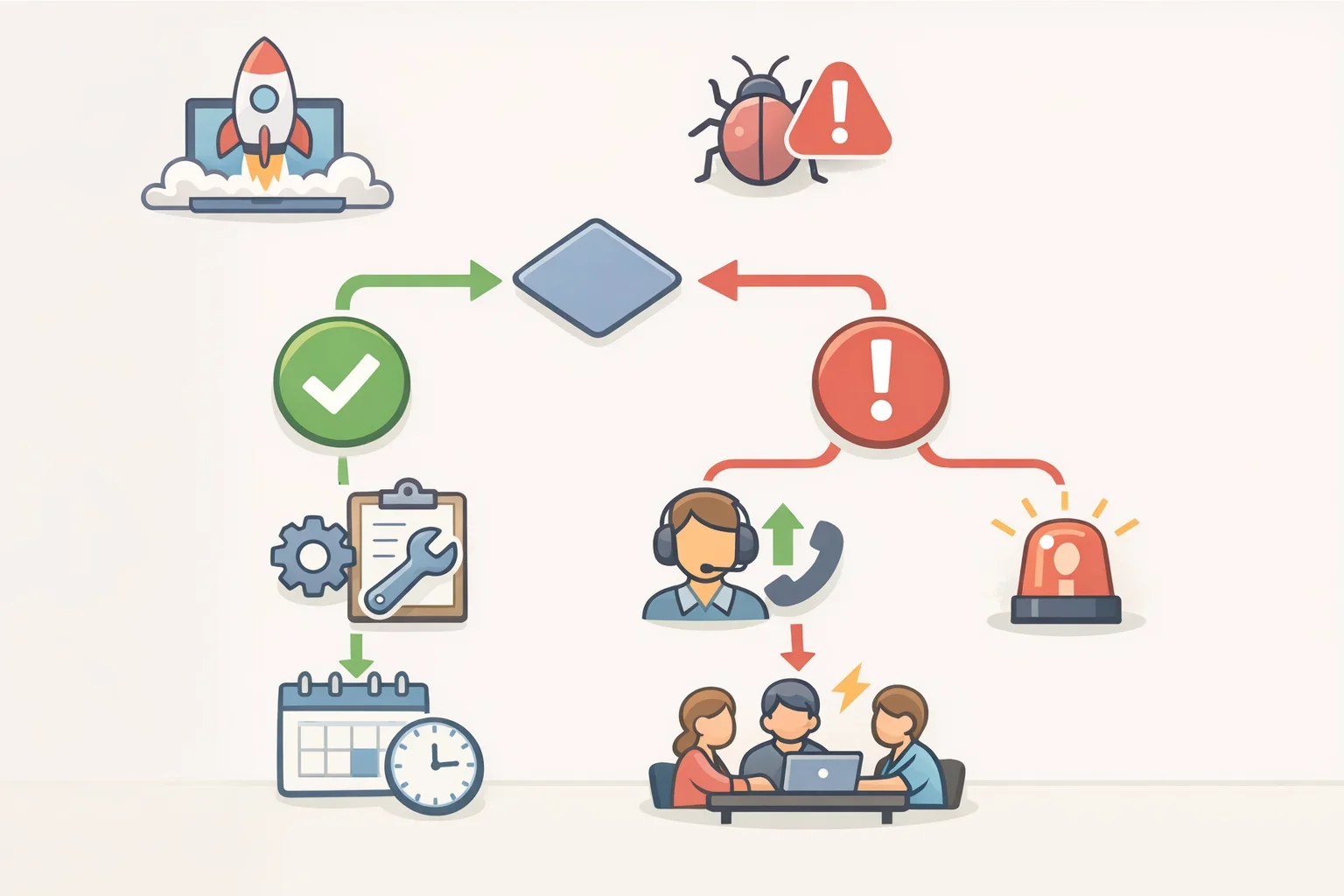
Here is a concrete example. A product lead heading into launch week does not need a 40-page contingency document. They need three priorities written down in plain English: what cannot slip, what can be delayed, and what would trigger escalation. When a bug appears on launch morning, those pre-decisions cut through the panic. No improvisational theater. Just a decision triage already on the table.
Try this:
- Pre-decide your top three criteria for a high-stakes period.
- Rehearse the two or three most likely failure modes.
- Debrief after the event, while the details are still fresh.
That last part matters because pressure performance improves when the review happens after the moment, not just before it. You learn faster when you can see where your preparation held and where it folded.
Step 4: Separate productive pressure from harmful chronic stress
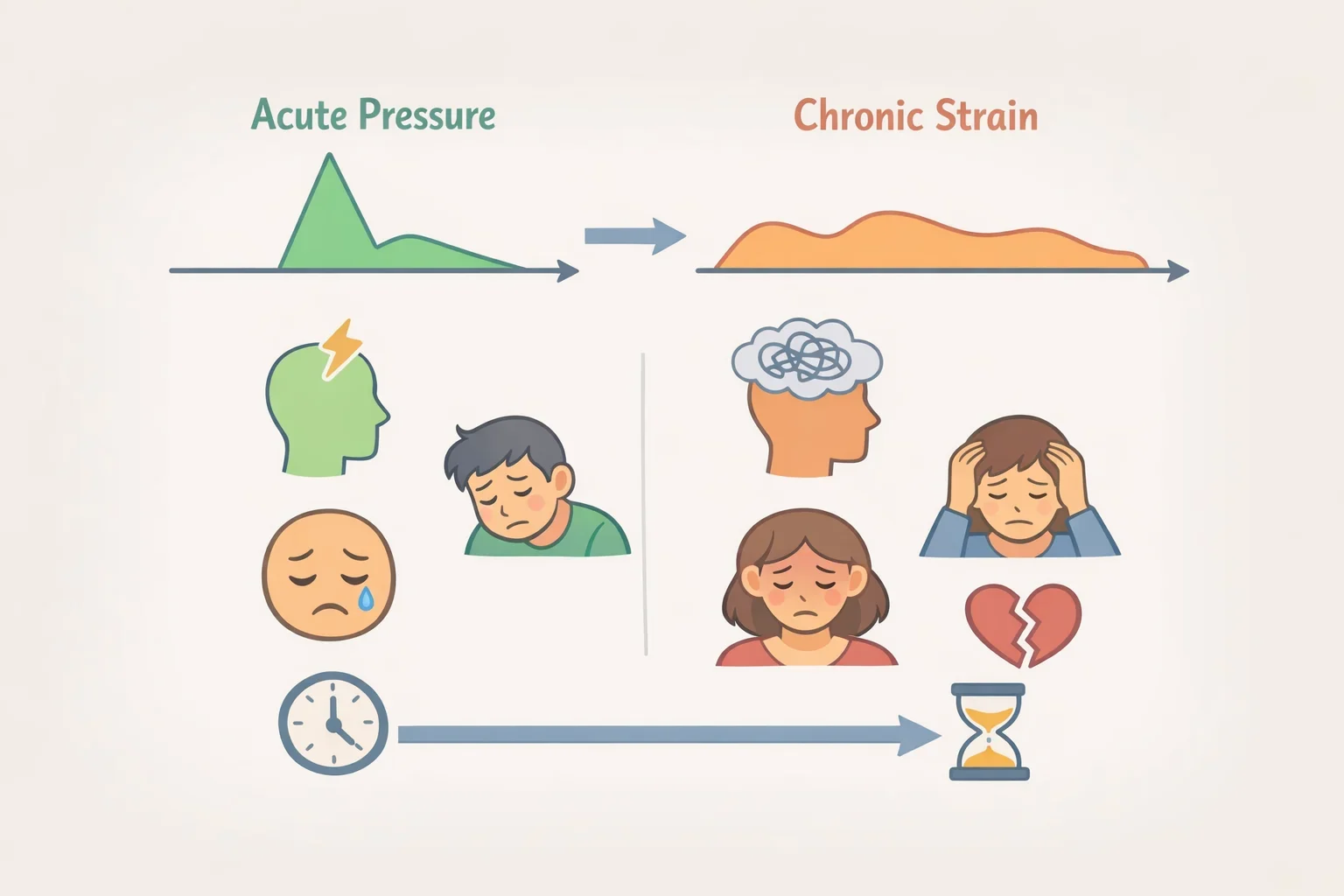
This is the part most advice skips, which is one reason so much advice is useless by Tuesday afternoon.
There is a difference between acute pressure and chronic stress. Research in Brain Sciences (2024) shows that chronic stress changes the hippocampus, amygdala, and prefrontal cortex, the regions tied to memory, emotional regulation, and executive function. A PubMed review published in September 2024 goes further, saying chronic stress contributes substantially to cognitive impairments and that available therapies do not effectively treat those impairments.
That does not mean every hard week is a problem. It means pressure only helps when it is bounded. A sales director can live through a brutal quarter. A sales director with no relief for six straight months is no longer training under pressure. They are grinding down the machinery that makes clear thinking possible.
A practical workplace test is simple: track how long the pressure lasts, not just how bad it feels on Wednesday afternoon. A packed week is one thing. A packed quarter with no recovery is different.
Watch for the signs that the line has shifted:
- concentration gets patchy
- working memory feels weaker
- processing slows down
- reactions get sharper than the situation deserves
Once those signs start stacking up, the problem is bigger than performance technique. The framework above will not fix a system that never lets the body or brain recover.
Build recovery as if it were part of the job, because it is. Protect unscheduled thinking time. Protect sleep. Protect time that is genuinely low pressure, not just another meeting wearing casual clothes.
What this framework gives you
If you work through these steps, you end up with something practical: a clearer read on your pressure defaults, a way to keep emotion from hijacking judgment, a habit of pre-deciding the most important criteria, and a cleaner line between useful pressure and damaging stress.
That is where the work actually starts. HBR reported this month that leaders are under more pressure than they were at the height of the pandemic, and the answer is not to wait for calmer conditions. The answer is to get better at handling pressure at work while the conditions are still messy.
Use the framework on one real decision this week. Then debrief it against your usual default. That comparison is where turning stress into performance stops being a slogan and starts being a habit.