
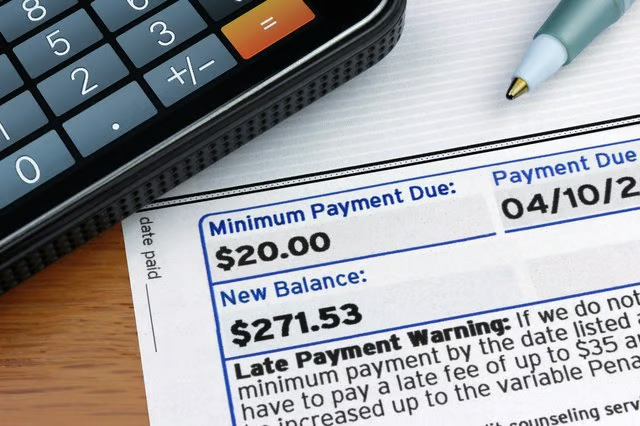


When you are experiencing financial difficulty it's a good idea to seek some type of debt relief such as negotiating a payoff or settlement. If you are not experiencing any financial distress and you can afford to make your payments then you may not want to negotiate a payoff. This shows up on your credit report as a settlement, and when other creditors review your report, it appears that you are or were experiencing financial trouble.
Negotiating Process
Step 1
Call your credit card company and explain your financial situation. If you are unemployed, a credit card company will be more willing to accept a settlement.
Step 2
Answer any questions that the credit card company asks. They may ask questions to help them assess your complete financial picture. Don't let them force you into payment arrangements or settlements you cannot afford.
Step 3
Wait for the offer from the credit card company. If it looks like you don't have any resources at your disposal they will offer you a settlement which may be substantially lower than your outstanding balance.
Step 4
Give a counteroffer to the credit card company. If your balance is $5,000 and they offer you $3,500 as a settlement offer you should counter with $2,000 or $2,500. The credit card company will probably accept your offer because they fear that they may not get anything. If you feel comfortable with the negotiations, offer even less money.
Step 5
Get your settlement offer in writing before you send any money. Many offers have been made only to have the credit card company or a collection agency contact the debtor later asking for the remaining balance.
Step 6
Negotiate to have your credit report improved. It's a long shot but you may want to see if the creditor will remove the bad credit information from your credit report. If they agree you want this in writing as well. If negotiations fail, the bad credit will stay on your file for seven years.