
Why Is Car Insurance So Expensive? 11 Ways to Lower It
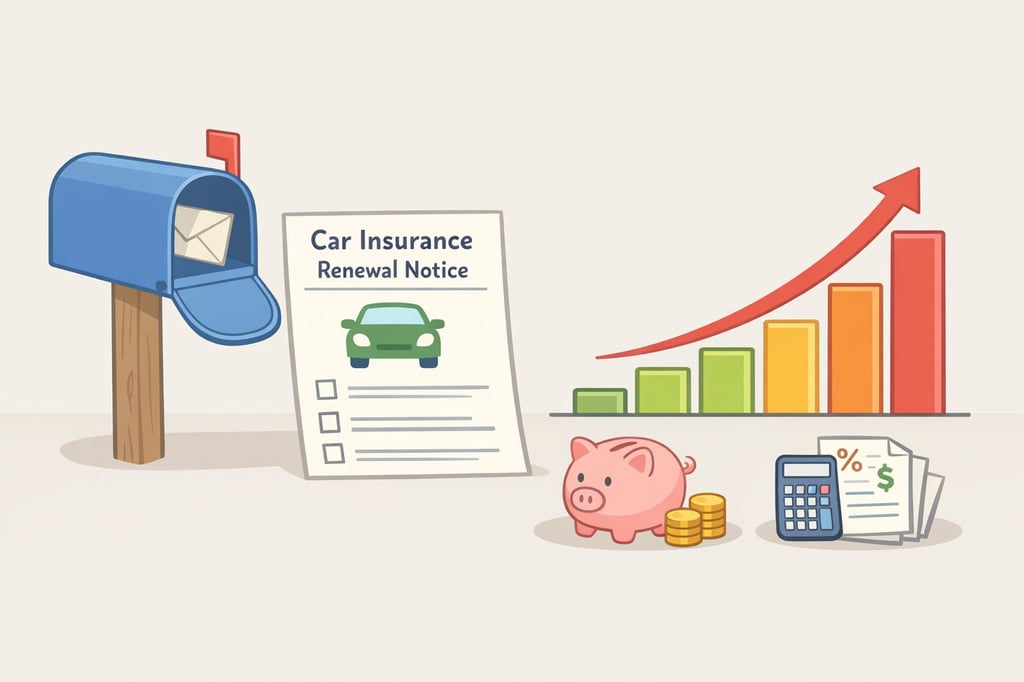
The short answer to why is car insurance so expensive is that insurers are paying more to cover more risk, and they are passing the bill along. The national average premium reached $1,438 per vehicle in 2023, up 14.42% from 2022, according to the NAIC in February. That is not a small adjustment. It is the kind of jump people feel when the renewal notice lands in the mailbox.
Rates are also being pushed higher by rising claim costs, more expensive cars to repair or replace, and insurer expenses that have climbed over time. The NAIC reported in February that total liability losses hit $120.5 billion in 2022, collision claim payouts jumped 17.6% from 2021 to 2022, and the average expense per insured vehicle rose to $1,281 in 2023, up 19.24% from 2019. Consumer Reports noted in August 2025 that the average full-coverage policy had risen 12% over the previous year, and that parts-price pressure from automotive tariffs may help keep rates moving up.
This guide breaks down what is driving the increases, what factors affect your specific premium, and 11 ways to save money on car insurance without stripping away coverage you still need.
Why did my car insurance go up?
The reason your bill changed is usually a mix of broad trends and personal risk factors. Insurers do not price one driver in a vacuum. They are looking at where you live, what you drive, how you drive, how much you drive, and a few things that are not exactly flattering to the human race, like how often people crash expensive machines.
Start with the big picture. Claim payouts are larger than they used to be. The NAIC reported in February that the average incurred loss per collision claim rose from $6,113 in 2021 to $7,191 in 2022. That kind of increase eventually shows up in premiums, because insurers are not in the business of eating losses for fun.
Then there is the cost of the cars themselves. Consumer Reports said in August 2025 that new cars now cost roughly $50,000 on average, and that when vehicles are pricier to fix, the policies that cover them get more expensive too. If the parts and labor cost more, the insurer’s math gets uglier. The bill follows.
Location matters as well. Drivers in areas with higher theft or crash rates tend to pay more, and the gap can be wide. Consumer Reports reported in August 2025 that Floridians pay nearly $4,000 a year on average, while Vermonters pay less than $1,500. Same product. Very different price.
Finally, insurers still price individual risk factors into the premium. Consumer Reports reported in February that drivers with little experience, tickets, crashes, or lots of annual mileage tend to pay more, and that in some states credit scores and other non-driving factors can also affect the rate. Nearly half of states have outlawed at least some of those controversial pricing practices, but the majority still allow them in one form or another, according to Consumer Reports’ buying guide updated in January 2025.
What factors affect your specific premium
Some parts of your premium are baked in for a while. Others can move faster than you might expect.
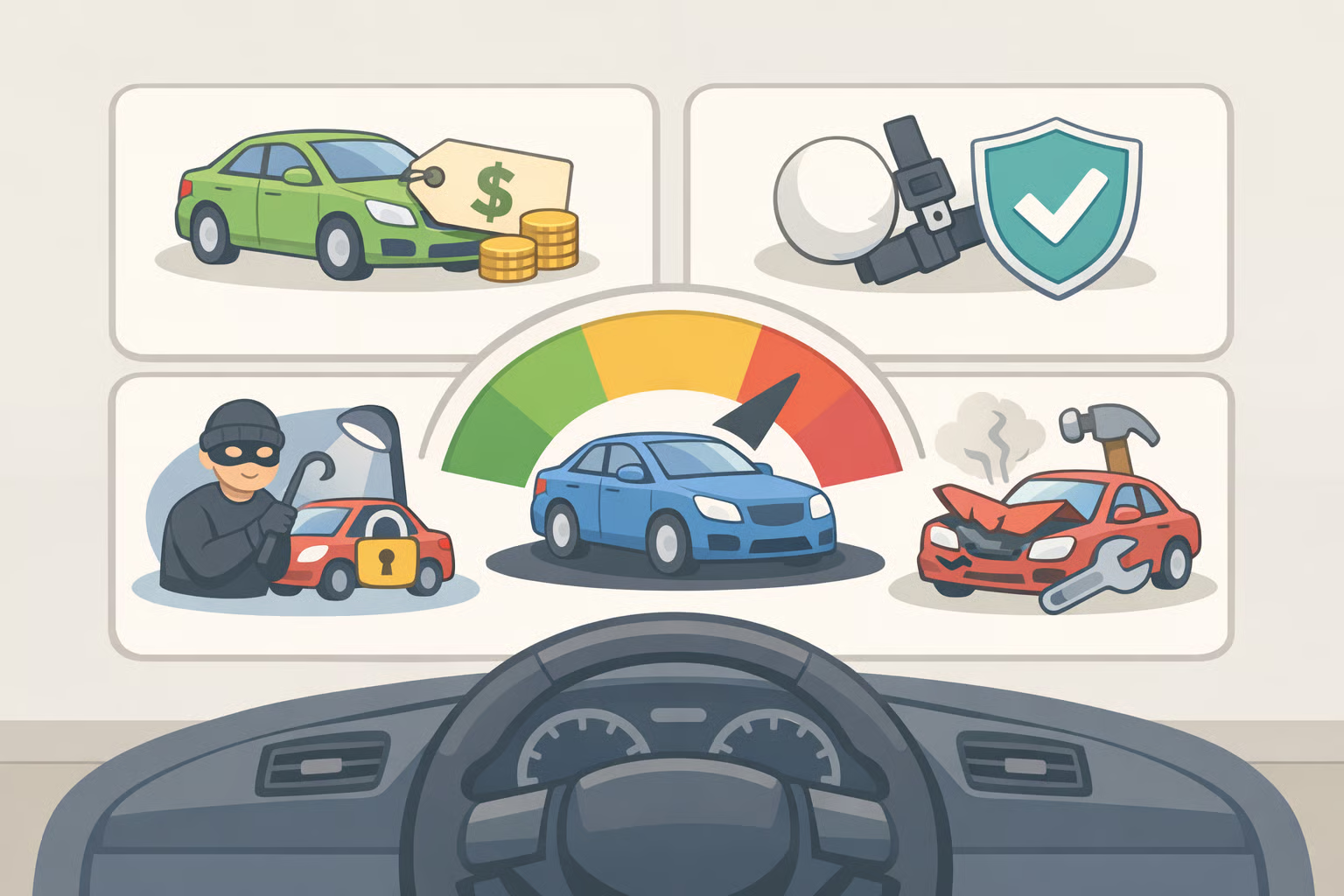
The easiest place to start is the car itself. Insurance cost depends on how much the vehicle costs to repair or replace, how safe it is for people inside and outside the car, and how likely it is to be stolen, Consumer Reports reported in February. That means a vehicle with pricey parts, poor theft history, or expensive repair bills can cost more to insure before you ever turn the key.
Driving history is the next big lever. For the best rates, you usually need at least three years of clean driving, Consumer Reports said in January 2025. A traffic ticket, at-fault crash, or policy lapse can trigger a surcharge, which is the insurer’s way of charging more for a driver who now looks riskier on paper.
Credit score still matters in most states. Consumer Reports said in January 2025 that the better your credit score, the lower your rates will be in most places where insurers are allowed to use it. It is one of the few pricing factors that can improve without buying a new car or waiting for a clean record to age into place.
Mileage is another underused lever. If you drive fewer than 10,000 miles a year, Consumer Reports said in February that you may qualify for an average discount of about $115 annually. Plenty of people forget to update their insurer after a commute disappears, a job changes, or retirement cuts road time in half. The insurer is not psychic. Just merely suspicious.
How to save money on car insurance
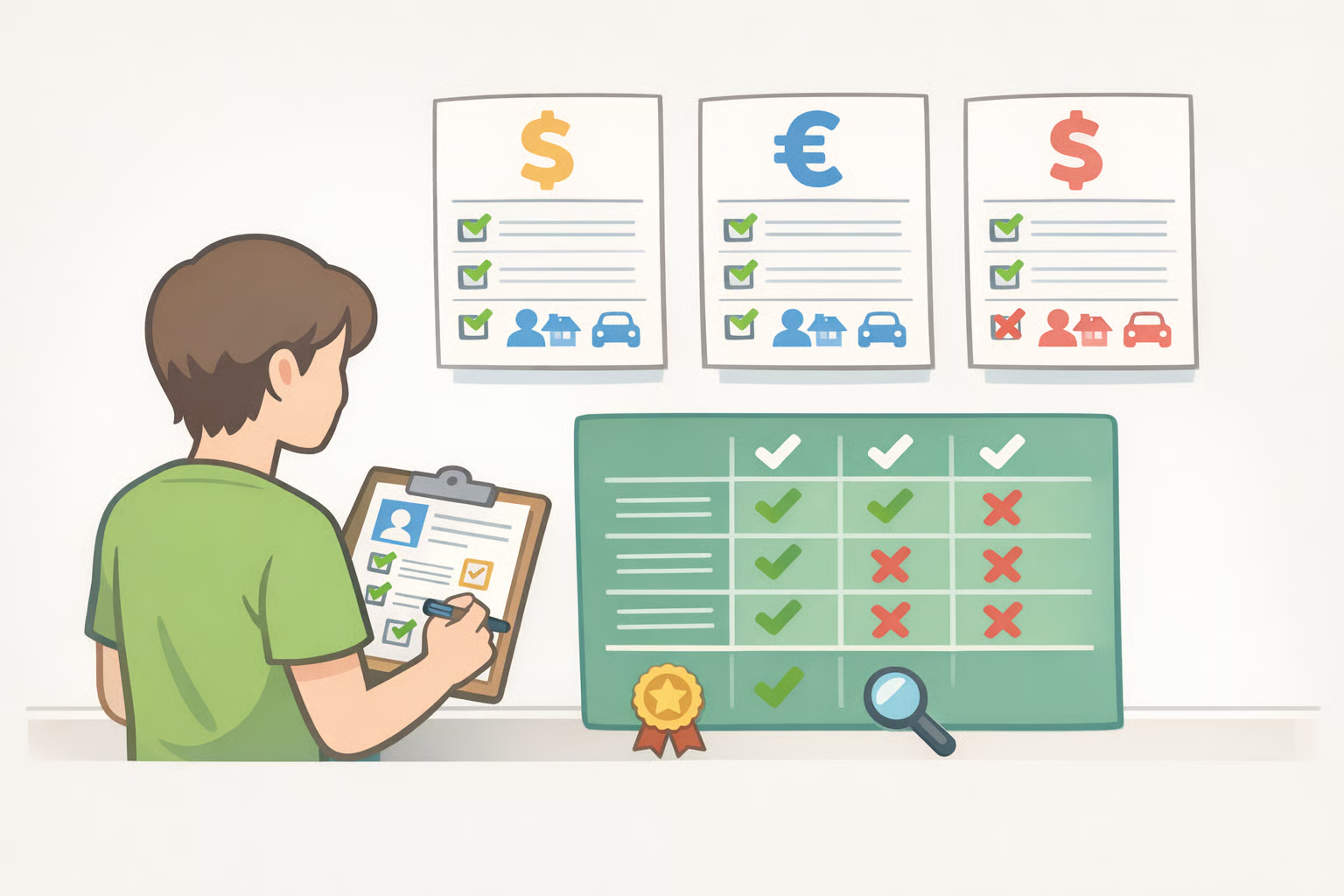
Before making changes, grab your current declarations page. Know your annual mileage, deductible levels, and whether any policies are bundled. Without that, you are guessing, and insurance companies already do enough of that.
- Shop competing quotes.
This is still the single highest-return move. Consumer Reports said in February that 30% of policyholders who switched insurers in the past five years saved a median of $461 per year, and 70% said price was the main reason they moved. Get at least three quotes. Loyalty is nice. Cheaper is nicer.
-
Raise your deductible from $500 to $1,000. Consumer Reports said in February that this can reduce premiums by 20% to 25%, and the Consumer Federation of America figure cited in Consumer Reports’ buying guide puts the average savings at about 11%. That range depends on the insurer and the coverage mix. Only do this if you can actually cover the higher out-of-pocket cost when a claim happens.
-
Take an approved defensive driving course. In states that allow it, an approved course can save you more than $230 per year, Consumer Reports reported in February. The course usually costs less than that, which is the sort of arithmetic most people can appreciate. Check your state’s DMV or approved-provider list before enrolling, because not every class counts.
-
Report your actual mileage. If you drive fewer than 10,000 miles a year, tell your insurer. Consumer Reports reported in February that the average discount is about $115 annually. If your commute changed, your policy should change too.
-
Check bundling, then compare anyway. Consumer Reports said in February that bundling auto and home policies with the same carrier can save up to 30% for some policyholders, but not for everyone. The mistake is assuming the bundle wins by default. It sometimes does. It sometimes just sounds tidy.
-
Work on your credit score. In most states, better credit means lower rates, Consumer Reports said in January 2025. Paying down balances and fixing errors on a credit report can help over time. It is not a quick fix, but it can improve more than one renewal cycle.
-
Ask about good-student discounts for young drivers. Teen drivers are expensive to insure, and Consumer Reports reported in February that most carriers offer a discount for students with at least a B average. Expect to show a transcript or school verification. The paperwork is annoying. The discount is not.
-
Pay annually if the cash flow works. Consumer Reports said in February that insurers often discount policies when the full year is paid at once instead of monthly. If you can manage the upfront hit, this is one of the easier savings to unlock. No spreadsheet theater required.
-
Drop thorough and collision carefully on older cars. Consumer Reports said in February that thorough and collision may not make sense if a car is worth less than the combined annual premium plus the deductible. But do not do this on a financed or leased vehicle, since lenders usually require the coverage. And do not confuse “older car” with “cheap enough to replace tomorrow.” Those are not the same thing.
-
Consider telematics, but read the terms first. These programs track speed, braking, phone use, and time of day through an app or plug-in device, Consumer Reports reported in August 2025. In its survey, the median annual savings among telematics users was $120, rising to $245 for households with younger drivers. That sounds decent because it is decent, but the fine print matters. Consumer Reports said a Consumer Federation of America analysis found that while some programs advertise discounts of 25% to 40%, a more typical realized discount is about 10%. The data can also be used to raise your rate if the insurer does not like what it sees. Ask before enrolling whether your rate can go up, how long the data is kept, and whether location is tracked.
-
Shop again at every renewal. Rates change. The insurer that was cheapest two years ago may not be cheapest now. Consumer Reports’ buying guide said in January 2025 that 30% of policyholders surveyed had switched insurers in the past five years, and 70% said better pricing was the main reason. Set a reminder 30 days before each renewal and run fresh quotes. Insurance companies do not reward blind loyalty nearly as much as they reward people who bother to compare.
What to do this week
If the bill just jumped, do the obvious things first. Pull your declarations page. Check your deductible. Look at your mileage, your credit, and whether you are paying for coverage that no longer fits the car in your driveway.
Then do the one move that keeps showing up as the strongest saver: shop quotes. Consumer Reports said in February that switchers saved a median of $461 a year. That is not a theoretical win. It is money that stays in your account instead of going to a company whose logo you forgot two renewals ago.
There is no magic trick here, just a sequence. Know why rates are climbing, identify the pieces of your premium you can actually influence, and compare enough offers to make the market work for you for once.