
- How to Get a Full-Time Offer After a Google Internship
- How to get a full-time offer after a Google internship
- Prepare for the interview, but do not overrate it
- Use the internship to create visible work
- Earn manager advocacy, not just good feelings
- What to do if you are still trying to get in
- Final takeaway
How to Get a Full-Time Offer After a Google Internship
Most candidates treat the Google interview as the finish line. It is not. If you want to know how to get a full-time offer after a Google internship, the real answer is simpler and less glamorous: the internship itself is where the offer is won or lost. Randy Raymond, now a software engineer on the Google Docs team, said his only official interview was for STEP, and after that his “interviews” were the internship projects themselves (Google Blog, April 2022).
That is the central mistake to avoid. The interview gets you in the door. The summer decides whether anyone opens it again.
Business Insider spoke to six former Google interns who later secured full-time offers in June 2026, and their advice pointed in the same direction: do solid work, make it visible, and make it easy for a manager to argue on your behalf (Business Insider, June 2026). This guide follows that sequence, from getting into the pipeline to converting the internship into a return offer.
How to get a full-time offer after a Google internship
The path is not always a single leap from application to offer. For some students, it starts earlier and builds in layers. Randy’s route ran from CSSI to STEP, then through later internships, then into a full-time role at Google (Google Blog, April 2022).
STEP exists for first- and second-year undergraduates, and Google described it as a program to help build computer science skills (Google Blog, August 2022). Sumin Chung, who joined through STEP, said the program pushed her to challenge what she thought she could do and to stop letting fear of failure freeze her in place (Google Blog, August 2022).
If you are early in college, that matters. Earlier entry points give you more chances to show sustained performance, which is the part Google seems to care about once the résumé has done its job. Google said its 2021 intern class included more than 3,500 interns from more than 400 universities and more than 40 countries, which is a tidy reminder that the pipeline is wide, but the competition is still real (Google Blog, July 2021).
Prepare for the interview, but do not overrate it
The interview still matters. It just is not the whole story.
For Google SDE interns in 2026, Johnny Mai reported a process with a 45-minute technical phone screen and three to four technical interviews after that, with each onsite or virtual session lasting 40 minutes plus time for questions (Johnny Mai, May 2026). He also broke the technical mix into five areas: arrays and strings at 45% of questions, trees and graphs at 30%, recursion and backtracking at 10%, hash tables and sets at 10%, and basic system design at 5% (Johnny Mai, May 2026).
The oddity is that many candidates prepare as if the rare topics will save them. They probably will not. Heaps, tries, and advanced dynamic programming appeared in less than 5% of intern loops, according to Mai’s reporting (Johnny Mai, May 2026).
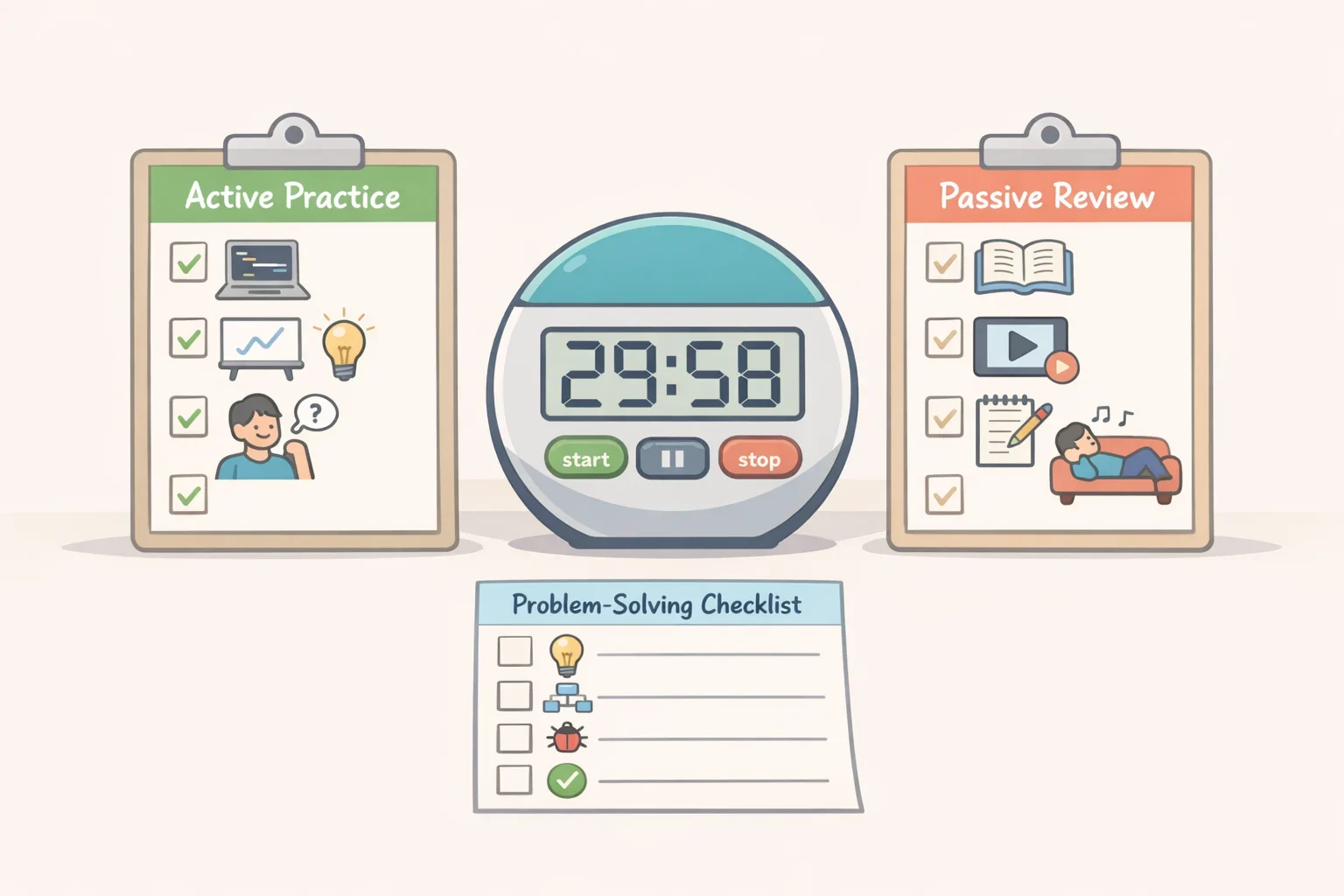
Practice beats passive review, too. Mai reported that in a 2024 A/B test run by a Google engineering mentorship group, candidates who solved problems on a whiteboard with a timer passed at 78%, while those who only reviewed material passed at 39% (Johnny Mai, May 2026). That is the sort of gap that makes a neat study plan look a little sentimental.
Angela Kagabo, who interned with Google’s Sub-Saharan Africa marketing team, offered the less mechanical version of the same advice: use the resources Google already gives you, including recruiter materials, the Google Students YouTube channel, and the careers site, and do not try to perform a polished impersonation of yourself. Her advice was blunt: “Be yourself. There is no box” (Google Blog, July 2022). She also said she almost did not apply because she thought she would not get the internship (Google Blog, July 2022).
That hesitation is common. It is also expensive.
Use the internship to create visible work
Once you are in, the evaluation changes shape. Google intern return offers are driven by three factors, in order: project impact, technical growth, and team alignment (Johnny Mai, May 2026). That order is the useful part. It tells you where to put your energy when the summer starts getting messy.
The best intern projects have a clear user and a visible outcome. In Google’s 2021 intern roundup, Sarah built a tool that helped people practice with devices and run experiments remotely, and she said her teammates and pilot users got value from it within weeks (Google Blog, July 2021). João, who later accepted a full-time role, said every contribution he made as an intern had an impact (Google Blog, July 2021). That is the standard.
The practical move is to define the work early, while scope is still negotiable.
- In week 1 or 2: Ask what “done” looks like. Who will use the work? What counts as shipped? If the answers are fuzzy, keep asking until they are not.
- By week 3: If the project feels low-visibility or under-scoped, raise it with your host manager. Mai’s reported 85% versus 50% return-offer split tracks with project quality, so vague work is not a small issue. It is the issue (Johnny Mai, May 2026).
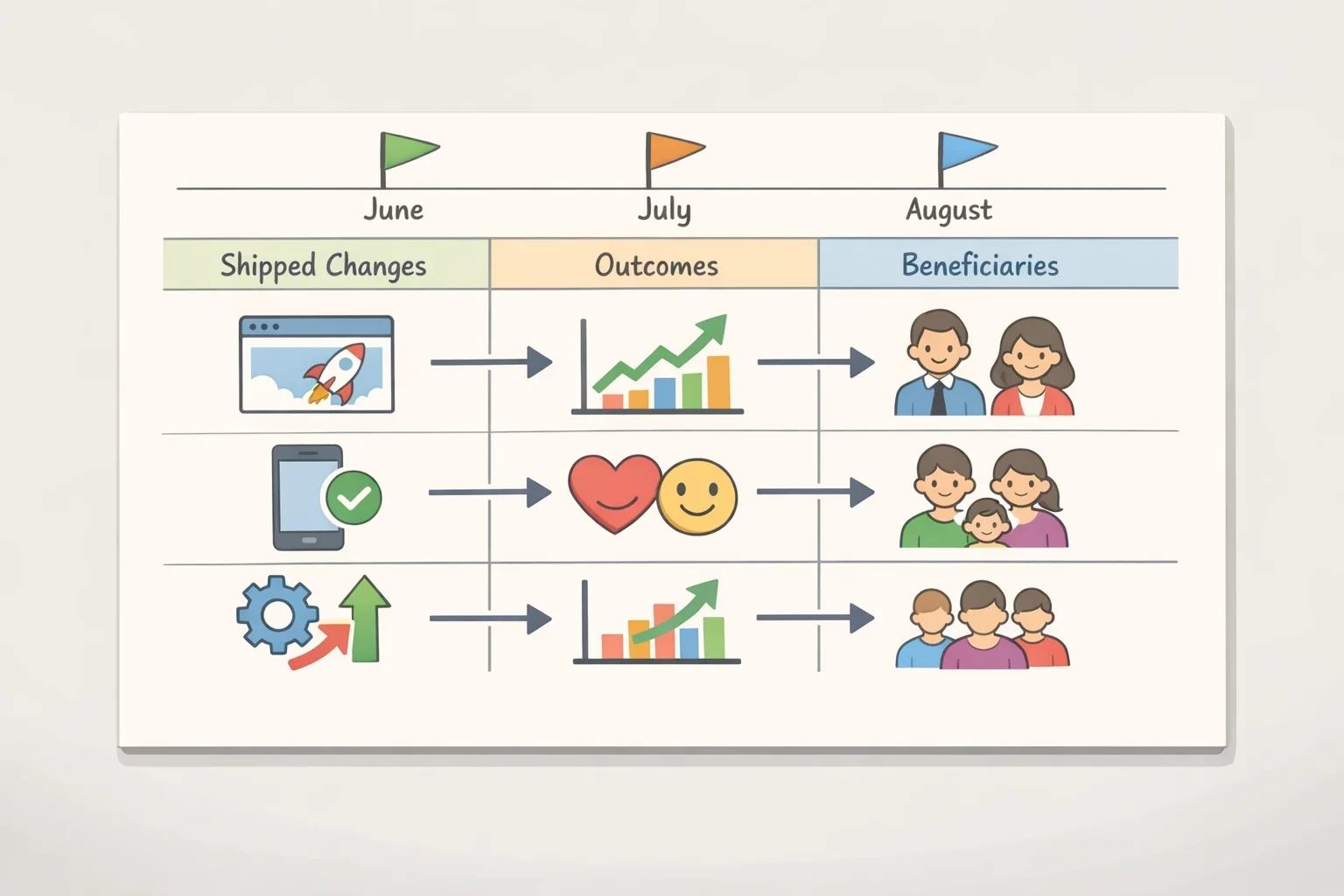
- Throughout the summer: Keep a record of what you shipped, what changed, and who benefited. If the work is not communicated, it becomes a private achievement, and private achievements do not drive return offers.
Ambiguity will show up whether you invite it or not. Lino, another 2021 intern, said many things at Google had not been done before, there was no manual, and building from scratch was challenging but exciting (Google Blog, July 2021). That is the job. The trick is not to wait for the ambiguity to clear. The trick is to work inside it.
Earn manager advocacy, not just good feelings

A good project helps. A manager willing to vouch for you helps more.
Return offers depend on more than output. They also depend on whether your manager has enough evidence, and enough confidence, to advocate for you when conversion decisions happen (Johnny Mai, May 2026). That part is easy to forget because it sounds less technical. It is not less important.
Randy Raymond’s advice leans toward the simple and unglamorous: ask questions. He said Googlers are willing to help and there is no such thing as a bad question, and if speaking up in a group feels awkward, write questions down and talk them through with a trusted teammate one-on-one (Google Blog, April 2022). Silence may feel efficient. It usually just makes the work worse and the manager less informed.
Sumin Chung put the mindset side of it neatly: challenge your assumptions, do not let fear of failure turn into inertia, and take the opportunity when it appears (Google Blog, August 2022). That is not just motivational wallpaper. It is how interns become easy to advocate for. People trust the person who keeps moving, learns fast, and does not make every obstacle into a personality trait.
Regular updates matter here too. Not status theater, just clean reporting on what shipped, what is blocked, and what still needs work. Managers cannot advocate for what they cannot see.
What to do if you are still trying to get in
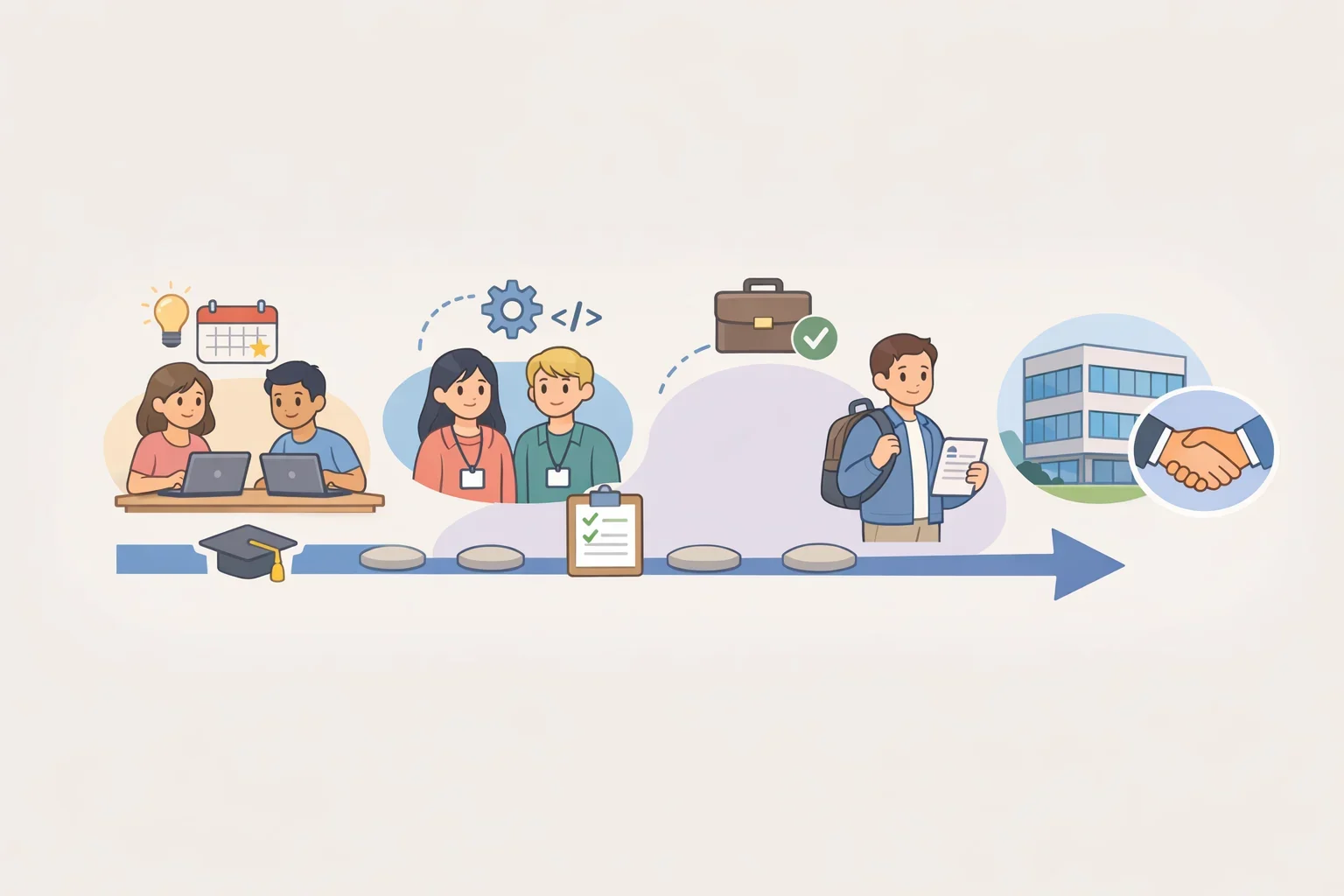
If you have not started the internship yet, the simplest advice is to apply earlier than you think you should. CSSI and STEP exist to bring in students before the usual junior-year race begins, and Randy’s path shows how those earlier programs can compound into later opportunities (Google Blog, April 2022). Sumin’s STEP experience shows the same thing from the other side: an early program can be a place to build confidence as much as skill (Google Blog, August 2022).
Angela Kagabo’s advice is the useful final push. She told aspiring interns to be themselves, watch the Google Students YouTube channel, spend time on Google’s career site, and just apply. She said she nearly did not, because she did not think she would get in, and she was glad she pushed through that doubt (Google Blog, July 2022).
That is the quiet rule of the whole process. Do the prep, but do not wait for certainty. It rarely shows up with a badge.
Final takeaway
The internship is the evaluation. If you want a full-time offer, get into work that people can see, shape the scope early, and make sure your manager has enough evidence to go to bat for you. That is the part most candidates miss, and it is the part that matters most.
If you are still on the outside, the pipeline starts earlier than a lot of students think. If you are already inside, the next few weeks matter more than the first round of interviews ever did.