


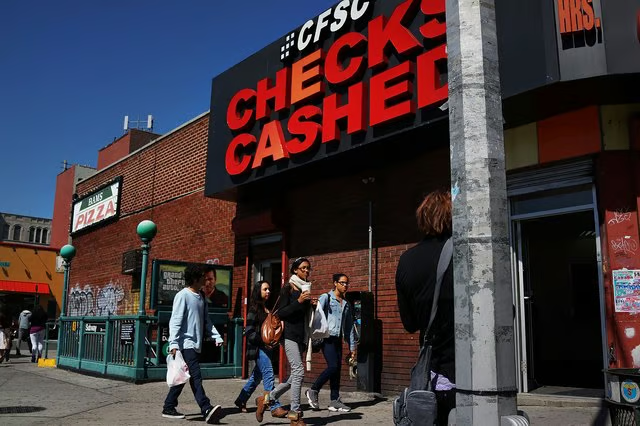

For those outside the traditional banking system, or those in a hurry, check-cashing establishments can be a valuable resource. These stores allow customers to cash checks, among other offered services, for a fee that varies based on local regulations and the nature of the check. The allure for many is that they're quick, convenient and easy to use -- though you'll pay a price for those attributes.
What They Offer
Check-cashing places provide money for customer checks, either in cash or on a prepaid debit card. Nearly all cash business and payroll checks, as well as government-issued benefits checks and tax refunds. Many cash personal checks as well, though some may limit the amount, charge high fees or not accept out of state checks. Many also offer bill payment services and the ability to transfer money or purchase money orders. Some also provide high-interest payday loans.
How It Works
To protect against risk, check-cashing places have processes that verify the customer's identity and train employees how to spot scams. You'll have to show identification, provide contact information, and perhaps even have your picture taken before one will cash your check. The company then examines the check to verify that it's genuine and to assess its risk. Once it's satisfied, it tells you how much you'll get and its fees.
Benefits
Some customers use check-cashing businesses because they consider them a superior alternative to banks. Most have longer hours than the typical bank branch, with some staying open 24 hours. There isn't a hold placed on checks, so the money is available immediately. There's no minimum balance or monthly fees as in many bank accounts, which can make banking an expensive proposition for low-income customers. Fees at check-cashing places are often displayed in large signs akin to those at fast food restaurants. Some people prefer that to the "hidden" fees they think they get at banks.
Drawbacks
Check cashing places make their money through the fees. The fees are based on the transaction, the check size and the perceived risk to the store. This means someone cashing a $10 check may get $8 once the minimum fees are taken off the top while a contractor cashing a $5,000 check might pay close to $100 in fees. Some checks, such as an old out-of-state personal check, may not be able to be cashed at all.