
Repayment Assistance Plan explained: former SAVE borrowers
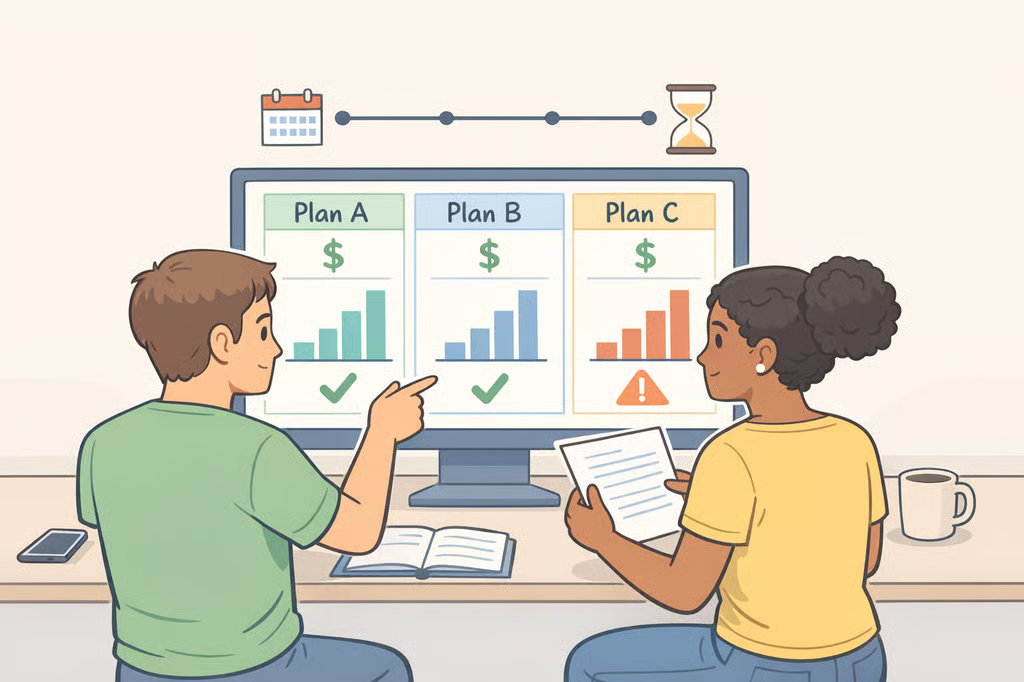
If you were in SAVE, the clock is already ticking. The Repayment Assistance Plan explained here is the simplest version: RAP is a new income-driven repayment plan that bases monthly payments on income and dependents, and former SAVE borrowers will have to choose a legal plan or be moved into Standard or Tiered Standard instead, according to the U.S. Department of Education (March 2026).
The practical point is blunt. If you do nothing, you may land in a plan that is tied to loan balance and repayment term, not what you earn. For borrowers with tighter budgets, that can mean a much larger bill each month.
What RAP is, and how it compares with Tiered Standard
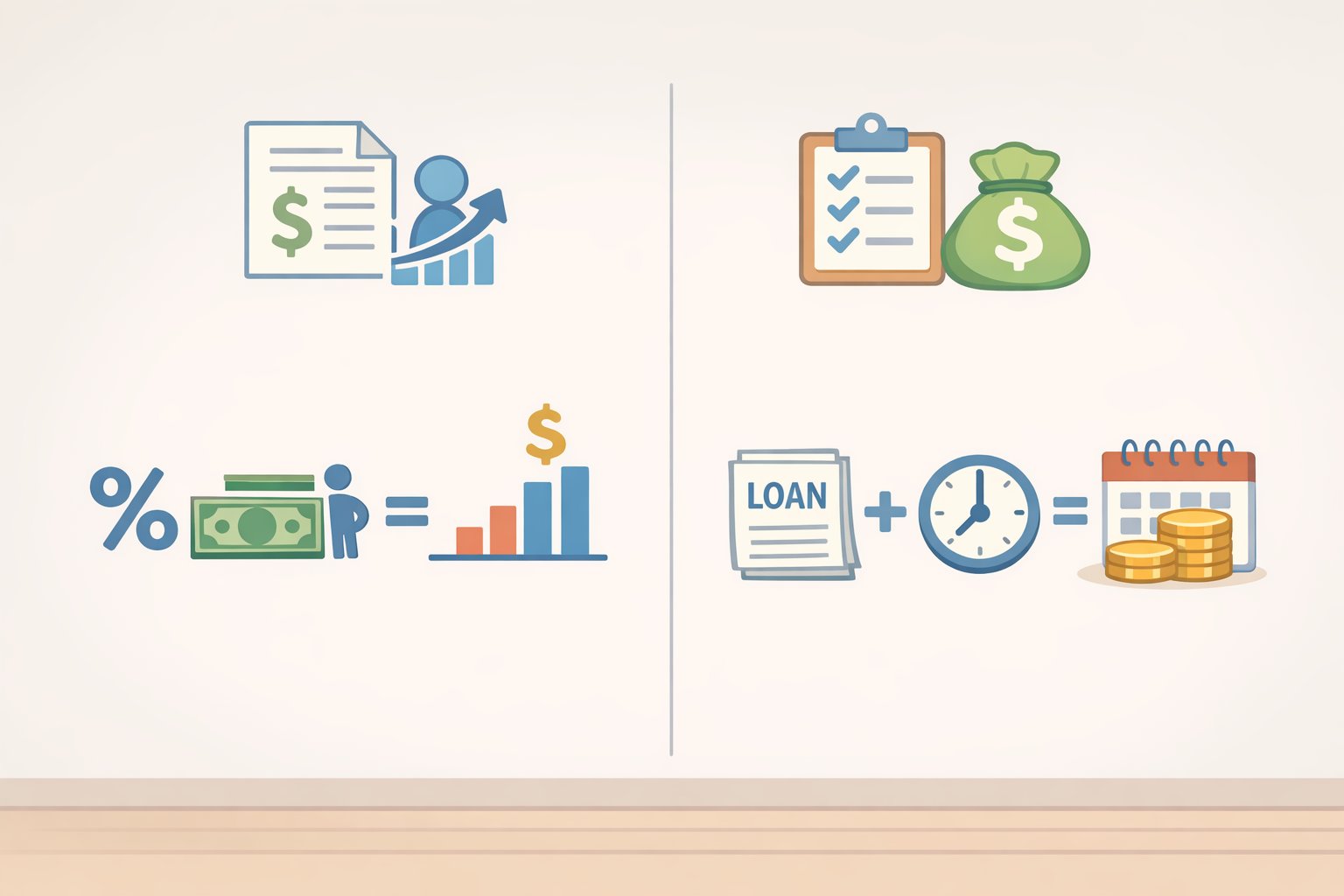
RAP is the Department’s new income-driven repayment plan, one of the main repayment changes created by the Working Families Tax Cuts Act, and it will be available by July 1, 2026, the U.S. Department of Education reported in March. Like other income-driven plans, it uses income as the starting point. Unlike the older patchwork of options, it also eliminates negative amortization, meaning borrowers who make full, on-time monthly payments can make progress on principal rather than watching the balance quietly swell.
Tiered Standard works differently. The Department said in March that it will set fixed repayment terms of 10, 15, 20, or 25 years based on total outstanding loan balance, which means the payment is predictable but not sensitive to income. That is useful if earnings are steady. It is less friendly if income moves around or is already stretched thin.
A simple way to think about the two plans is this: RAP is built to track what you can afford now, while Tiered Standard is built around what you owe and how long the Department says you have to pay it back. Same federal portfolio, very different feel.
| RAP | Tiered Standard | |
|---|---|---|
| Payment basis | Income + dependents | Loan balance + fixed term |
| Balance growth | Protected from runaway interest if full payments are made | Fixed schedule |
| Best fit | Lower or variable income | Stable income, higher balances |
| Forgiveness | Not confirmed in public summaries | Not indicated |
One more detail matters for people coming out of SAVE. Time spent in SAVE forbearance will still count toward IDR forgiveness timelines under the settlement agreement, the U.S. Department of Education said in December 2025. That time was not wasted.
How RAP student loan payments work
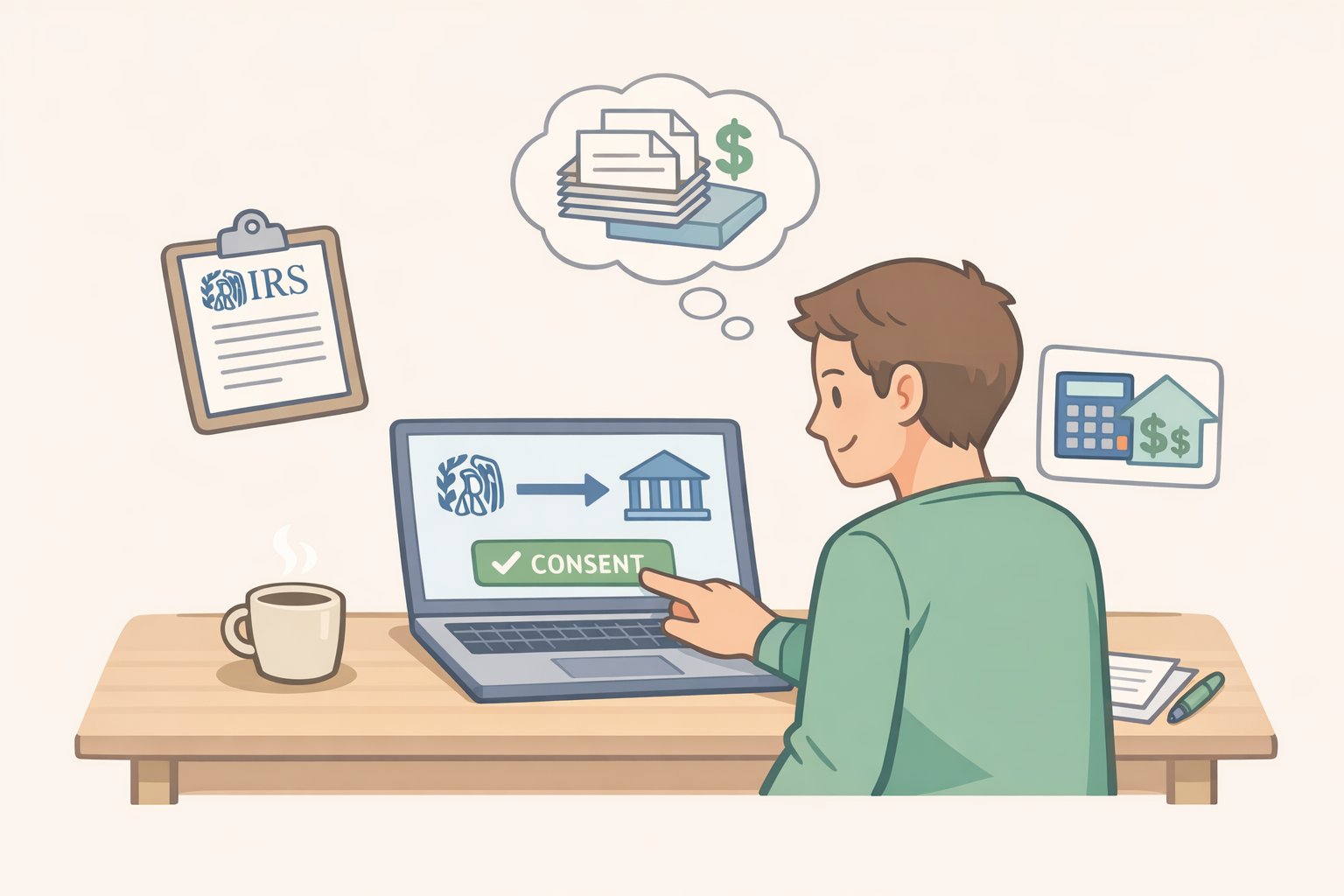
The clearest confirmed feature of RAP student loan payments is the basic formula: the Department says monthly payments are based on income and number of dependents, with family size directly affecting the amount owed. A borrower supporting three children will not be treated the same as a single borrower earning the same salary, which is exactly the point.
The Department also says borrowers can speed up the application process by giving consent for direct IRS income verification. That lets the government pull federal tax information instead of waiting on manual paperwork, according to the U.S. Department of Education (March 2026). In plain English, less chasing, less waiting.
What has not been made public in the Department’s summaries is the full payment formula. The exact percentage of income, any income thresholds, and the precise dependent weighting have not been laid out in the press materials available as of this week. The Department said the final rule was published in the Federal Register on May 1, 2026, and that text is the governing source for the missing details.
If you want a rough comparison before the RAP calculator is fully visible, the FSA Loan Simulator can still help. It can estimate payments under current legal repayment plans and give you a sense of how different options stack up, even if it cannot yet show a fully formed RAP figure.
Who qualifies for Repayment Assistance Plan?
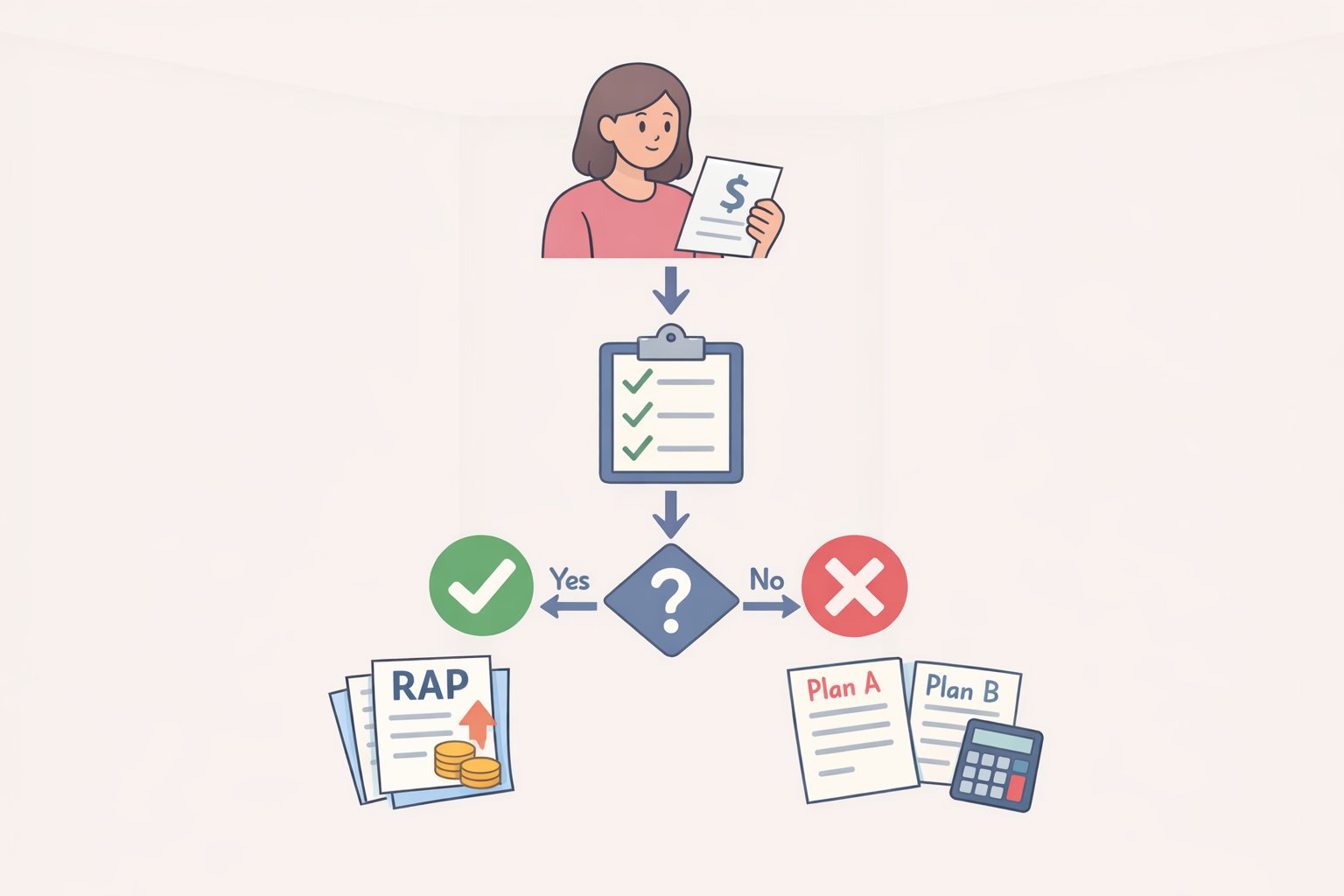
For former SAVE borrowers, the answer is straightforward enough to act on. The Department said in March that borrowers currently enrolled in SAVE will be given at least 90 days to enter a legal repayment plan of their choice, including RAP, and that servicers will begin sending notices starting July 1, 2026. Borrowers who want to switch before a notice arrives can contact their servicer at any time, the U.S. Department of Education reported.
That is the part borrowers can rely on now. What is less clear is the edge of the map.
The Department’s public communications do not spell out whether Parent PLUS borrowers, consolidated-loan borrowers, graduate borrowers, married borrowers weighing filing status, or borrowers in default qualify for RAP. Those are not minor details. They are the kind of questions that decide whether a plan is useful or a dead end.
The safest move is not to guess. Use StudentAid.gov/bigupdates and, if your case is complicated, check the Federal Register text before the 90-day window runs out. A repayment plan that looks fine in the abstract can get much less charming once the fine print shows up.
A few decision points are clear enough to help:
- If you were in SAVE, you need to pick a new legal plan.
- If your income is lower or more volatile than your debt load suggests, RAP is the more natural fit.
- If you have dependents, RAP’s formula may work in your favor.
- If you have not consented to IRS data sharing on StudentAid.gov, do that before applying.
- If you are in default or hold Parent PLUS or consolidated loans, confirm eligibility before you choose.
What remains unresolved about forgiveness
This is the murkiest part of the picture. Public Department summaries confirm RAP as a new income-driven repayment plan and confirm that it protects borrowers making full, on-time payments from runaway interest, but they do not publicly lay out a forgiveness timeline or explain how discharge will work in practice. The details that matter most, how long forgiveness takes, whether different loan types follow different schedules, and whether prior IDR credit carries over, have not been clearly stated in the materials available now.
That means borrowers should be careful about making forgiveness the whole basis of their decision. RAP may eventually have discharge rules that are more generous, less generous, or simply different from what borrowers expect. For now, that part of the plan lives in the Federal Register text and whatever guidance follows.
There is one useful forgiveness-related fact that is confirmed. The Department said in December 2025 that the forbearance and deferment provisions in SAVE will continue to count for IDR forgiveness purposes. So if you were stuck in SAVE limbo, some of that time still matters.
The bigger backdrop is that the Department has already resumed collections on defaulted loans and said in July 2025 that it had received nearly $282 million in collections on defaulted federal student loans through voluntary payments and the Treasury Offset program. It also expected administrative wage garnishment to begin later that summer, the U.S. Department of Education reported. Forgiveness may be a long game. Repayment is happening now.
What borrowers should do before the notice arrives
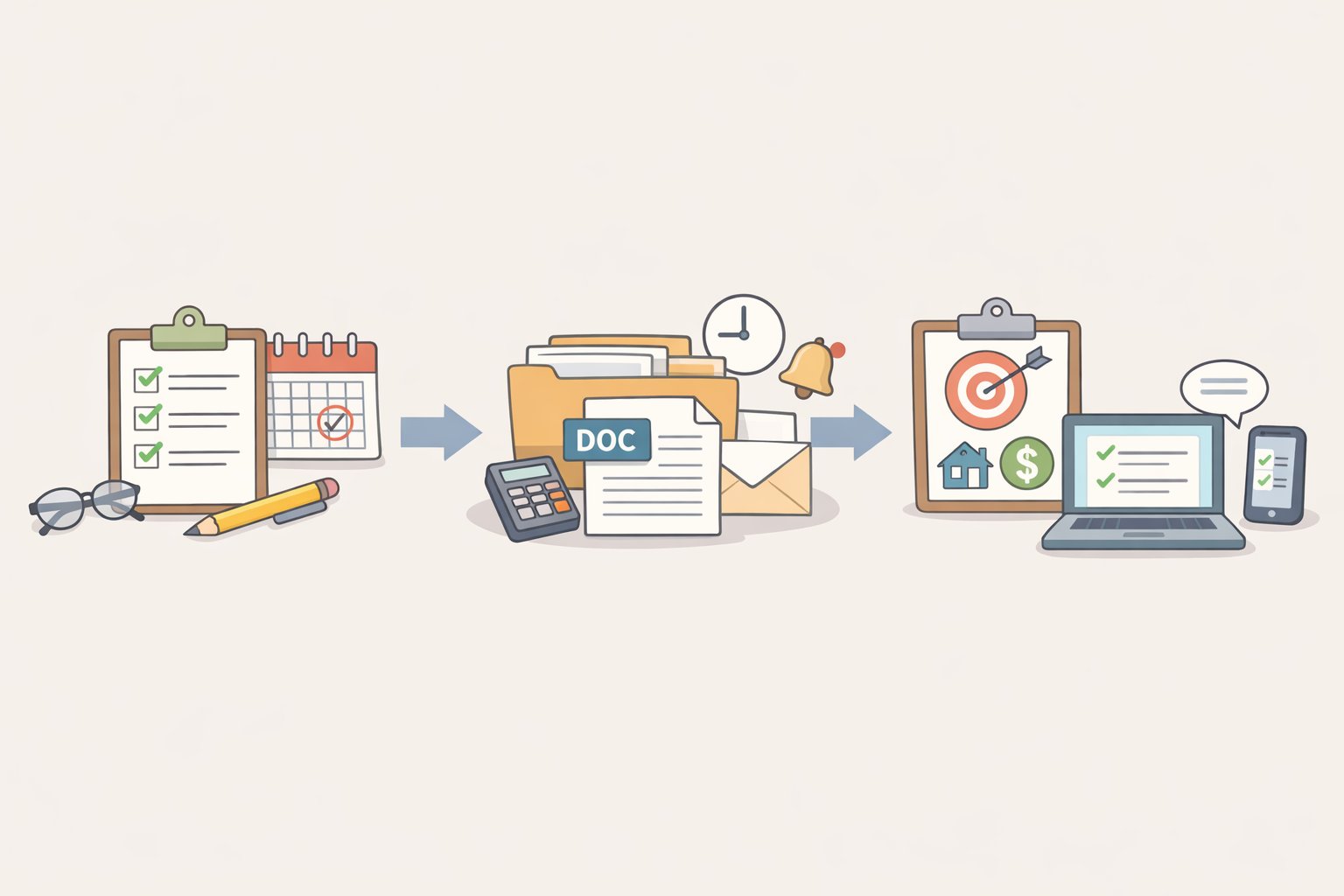
The immediate task is simple: do not wait for the letter if you already know SAVE is ending for you. The Department said borrowers can contact their servicer at any time to move into a lawful repayment plan, and that is probably the least glamorous advice in this entire story. It is also the one most likely to save money.
For borrowers who want lower payments and can tolerate some uncertainty while the full rule text is still sinking into public view, RAP deserves a close look. For borrowers with stable income and a preference for fixed terms, Tiered Standard may be easier to live with. The right answer depends on the size of the loan, the shape of the household budget, and how much variability the borrower can absorb without falling behind.
The final rule was on public inspection in the Federal Register on April 30, 2026 and published on May 1, 2026, and the Department has said the most up-to-date information will be on StudentAid.gov/bigupdates. That is where the unfinished parts of the story should become clearer through the summer. Until then, the sensible move is to get your documents ready, verify eligibility if your situation is complicated, and avoid being steered by silence into the wrong repayment plan.