
How to find legitimate scholarships online: verify leads
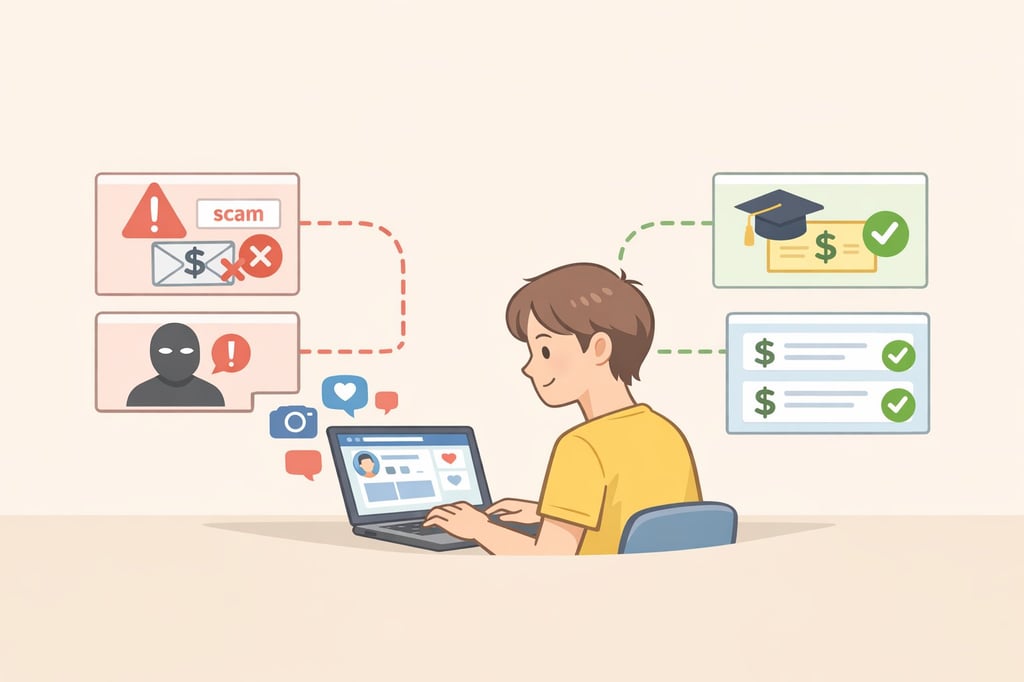
TikTok can help students find scholarships, but it can also lead them straight into scams. That tension is the whole story here, and it is why learning how to find legitimate scholarships online now means knowing where social media helps and where it absolutely does not.
A new Sallie Mae study of 274 U.S. college students and recent graduates, reported this month by Inside Higher Ed, found that 68% used TikTok to search for scholarships at least occasionally, while one in five checked the app weekly for opportunities. The same survey also found that 22% said TikTok was a place they searched for scholarships, which is lower because it reflects a different measure, primary search behavior rather than occasional use.
That distinction matters. TikTok is not replacing the whole scholarship hunt. It is becoming one more doorway into it.
TikTok can surface scholarships you would not otherwise see
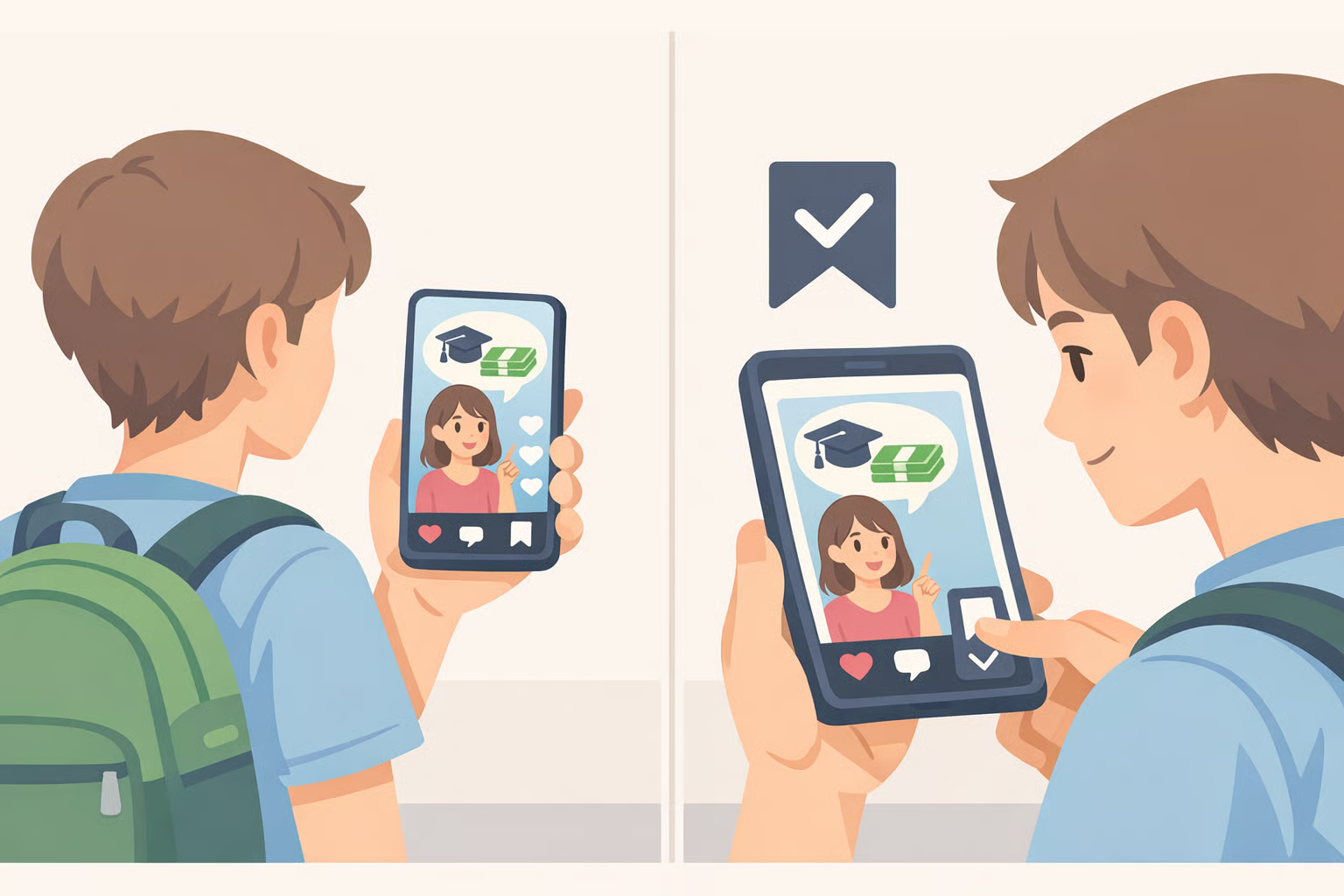
The best case for TikTok is simple. It can surface smaller, niche, or oddly specific scholarships that never rise to the top of a school financial aid page or a standard search.
Katarina Ellison, a director at Sallie Mae, told Inside Higher Ed this month that the platform lets students hear directly from other students and discover opportunities they might miss otherwise, especially scholarships tied to interests, hobbies, or simpler applications. That is the app’s real advantage. It is not a scholarship database. It is a discovery engine.
Students seem to trust that kind of advice because it feels personal. About 60% said personal success stories were the main reason they trusted a TikTok creator’s scholarship guidance, and Gen Z students rated current college students and recent graduates above certified financial advisers, official scholarship organization accounts, teachers, and school staff, according to Inside Higher Ed this month.
There is a reason that lands. A school website can feel like a filing cabinet. TikTok feels like the student sitting next to you saying, “I actually got this one.” That makes the search less intimidating, which may be why the platform has found a foothold.
The numbers on outcomes are not trivial either. The same report found that 60% of students who used TikTok for scholarship searches said they discovered new scholarships on the platform, and about 9% said they won at least one of them, Inside Higher Ed reported this month. First-generation students were also 1.5 times more likely to secure a scholarship they found on TikTok than continuing-generation peers, a sign that the app may be especially useful for students who do not have family experience navigating college funding.
None of that makes TikTok authoritative. It just means it can be useful at the beginning of the search, where students need breadth more than certainty.
How to find legitimate scholarships online without getting burned
That is the part too many students skip. Discovery is one step. Verification is the next one, and the second step is the one that keeps the first from becoming expensive.
The risk on TikTok is not abstract. About a third of students using the platform for scholarship searches reported running into misleading content, according to Inside Higher Ed this month. The bad material included scholarships that did not exist, incorrect eligibility rules, inflated award amounts, and ads for paid courses or services that claimed to unlock scholarship access.
Low-income students ran into misleading information even more often, at 41% compared with 34% overall, the same report found. That is the ugly twist here: the students with the least room for error are the ones most likely to meet the error first.
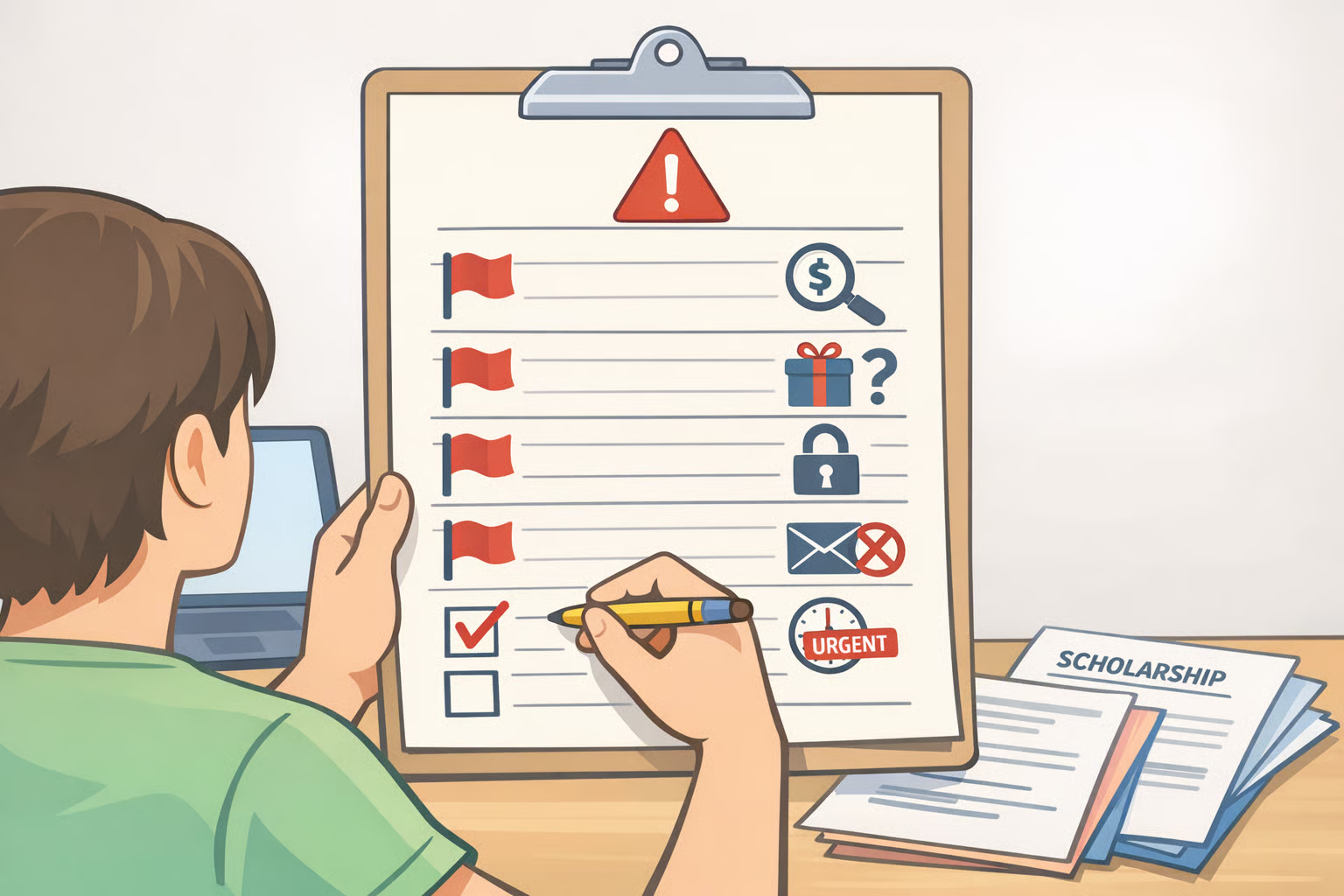
The Federal Trade Commission has been saying the same thing for years in much plainer language. Legitimate scholarships never require a fee to apply, the FTC says in How To Avoid Scholarship and Financial Aid Scams. If someone asks for a “processing cost,” a “redemption fee,” or any upfront payment, walk away.
The warning signs are not subtle. The FTC flags claims like “the scholarship is guaranteed,” “you can’t get this information anywhere else,” “you’re a finalist for a contest you never entered,” and pitches that require immediate payment to hold a spot, FTC says. That is not how legitimate aid works. It is how pressure sales work.
The same scam logic shows up in a different costume around the FAFSA, the free form used to apply for federal student aid. The FTC says on How To Avoid Scholarship and Financial Aid Scams that the FAFSA is always free to fill out and submit, and that students should never pay anyone to fill it out or process it for them. Sharing an FSA ID with a company or consultant is also a bad idea, because it can give others access to a student’s personal information.
That is the easiest rule in this whole subject. If money is required up front, something is off.
The safest places to check scholarship leads
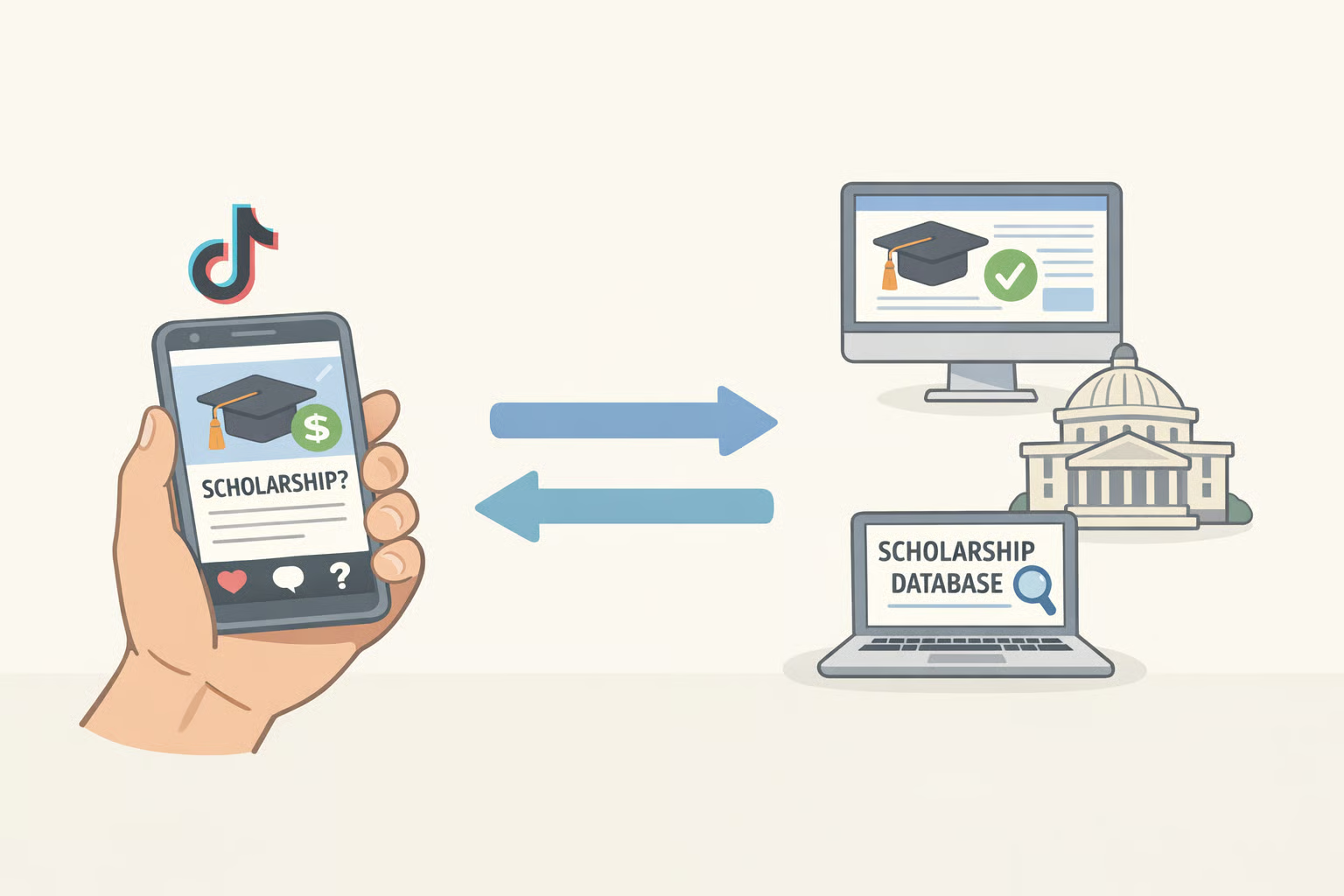
TikTok may be where a lead starts, but it should not be where the decision gets made.
Ellison told Inside Higher Ed this month that students should verify anything they find on the platform with a college financial aid office, a reputable scholarship search database, or a college adviser. That advice is almost painfully boring, which is usually how good advice behaves. It does not need a filter.
Traditional search tools still matter more than the app in the first place. In the Sallie Mae survey, school websites came in at 44%, scholarship-specific discovery hubs at 42%, and search engines like Google at 38%, all ahead of TikTok, according to Tubefilter this month.
That is where free, established scholarship databases belong in the workflow too. Fastweb, Scholarships.com, and College Board’s Scholarship Search are the kind of places that can confirm whether a scholarship actually exists and whether the basic terms make sense. They are not glamorous. That is part of their charm.
StudentAid.gov also belongs on the short list. The FTC says on FTC Consumer Advice that students can handle legitimate federal aid tasks themselves for free by going directly to StudentAid.gov or contacting their loan servicer. The broader point is not just that these tools are free. It is that you do not need an intermediary to do basic aid work for you.
Ellison also argued that colleges, scholarship providers, and platforms share responsibility for making legitimate opportunities easier to find and easier to verify on TikTok itself, Inside Higher Ed reported this month. That kind of infrastructure would help. For now, it is still patchy, which leaves students to do the sorting themselves.
A simple way to use TikTok without trusting it too much
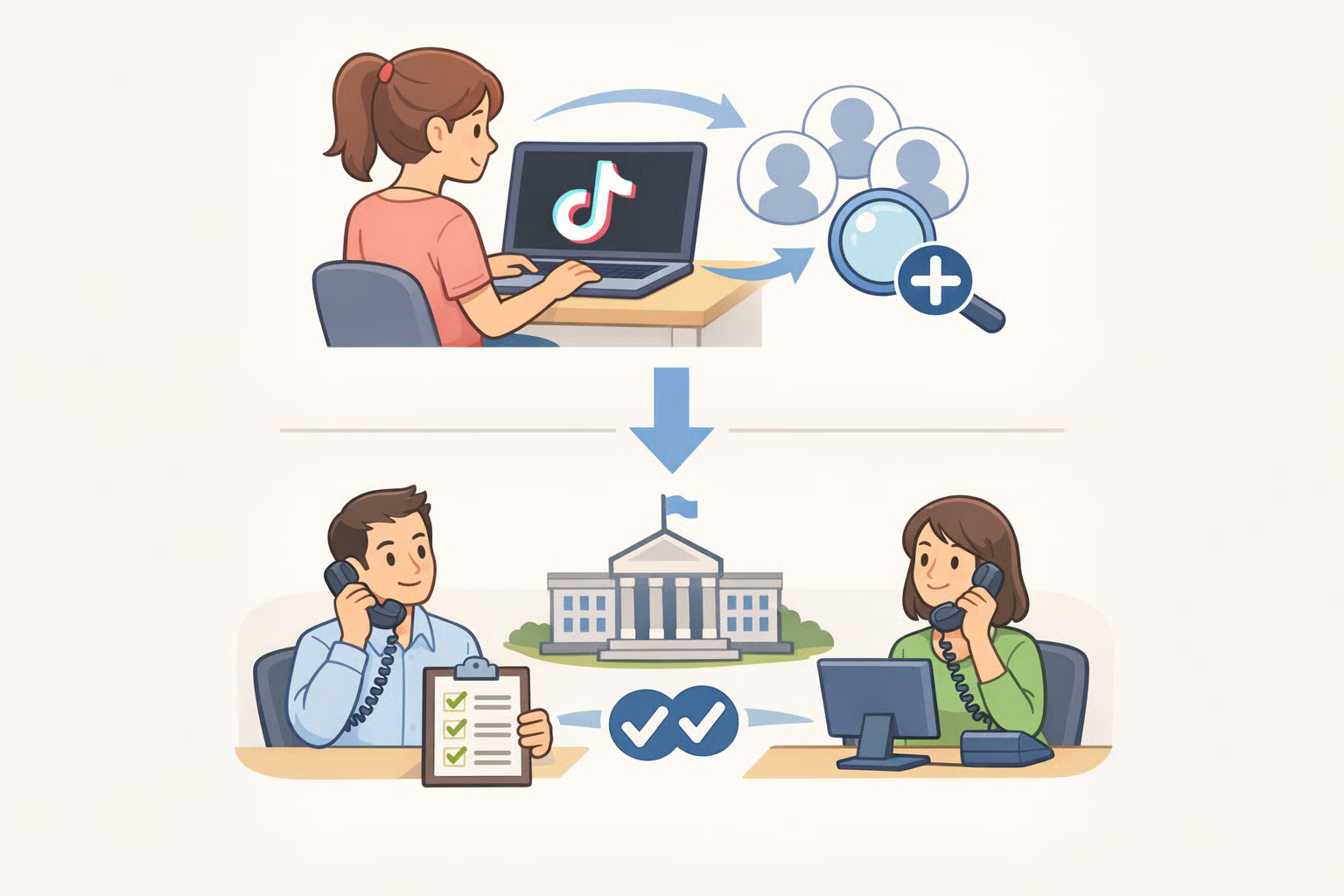
The cleanest approach is to treat TikTok like a tip line, not a final answer.
Use it to collect names, deadlines, and eligibility clues. Then check every lead against a school financial aid office, a free scholarship database, or StudentAid.gov before applying. That is the whole trick, and it is boring for the same reason seat belts are boring.
The FTC’s scholarship scam guidance http://www.ftc.gov/ScholarshipScams and its student loan consumer advice FTC Consumer Advice point to the same habits: do not pay to apply, do not hand over your FSA ID, do not trust urgency, and do not assume a polished pitch means anything. Scammers often start with a social media post because social media is good at making strangers sound familiar.
That is why the 27% verification figure from the Sallie Mae survey is so telling. Only about 27% of students said they always double-checked TikTok scholarship information before applying, Inside Higher Ed reported this month. The rest are rolling the dice more often than they probably realize.
A little skepticism goes a long way. If a scholarship sounds unusually easy, unusually urgent, or unusually exclusive, it deserves a second look. If it costs money, it deserves no look at all.
The real lesson
TikTok has become part of how Gen Z searches for scholarships, and the data shows why. It can surface opportunities students would not find elsewhere, especially niche ones, and some students, including first-generation students, are clearly benefiting from that reach.
But the platform is not a verifier. It is an amplifier. That is the difference between a useful lead and a bad decision.
So if the goal is to find college scholarships safely, the rule is straightforward: let TikTok help you discover, then let trusted sources help you decide. The app may be where the search starts. It should not be where the search ends.