


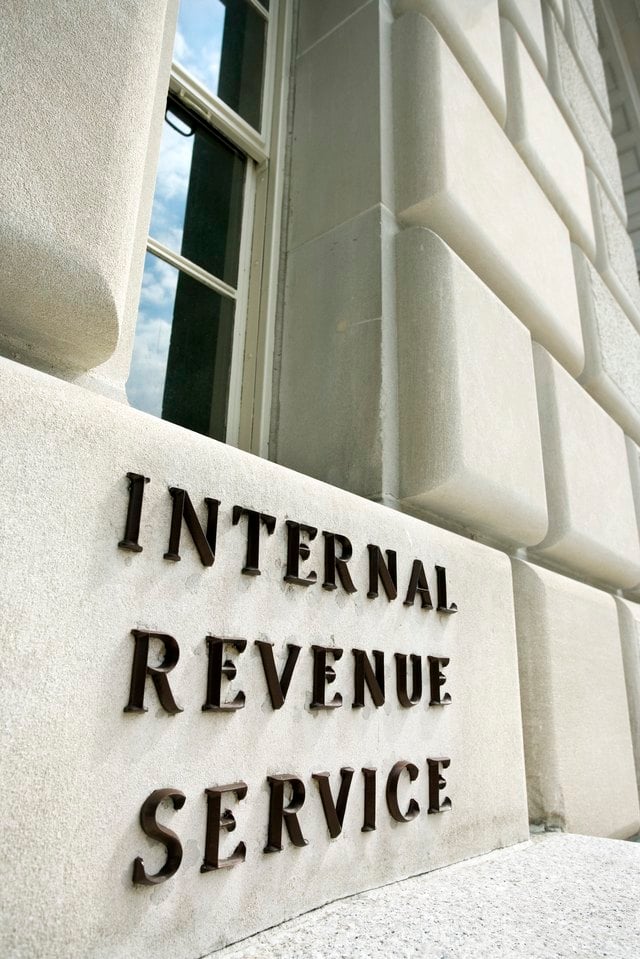

Many taxpayers fear the IRS, but few actually understand the scope of the agency's responsibilities. The IRS is charged with arguably the greatest responsibility of any federal agency: ensuring that the tax dollars required for government to function are collected from its citizens. This gives the IRS a great deal of authority, including a considerable amount of law enforcement capability.
History & Purpose
The IRS is the government agency responsible for tax collection and the enforcement of tax law, so in the strictest sense, the IRS is a law enforcement agency. The IRS, an arm of the Department of Treasury, was created in 1862 to help fund the Civil War. It is run by the Commissioner of the Department of Revenue, who applies the tax laws that are enacted by the U.S. Congress. Although some observers disagree, the IRS maintains that it enforces tax law in an impartial way, from neither the government's nor the taxpayer's point of view. Tax law experts are charged with interpreting the law and applying its true meaning.
Criminal Investigations
The Criminal Investigations unit is the law enforcement branch of the IRS. The CI unit investigates potential financial crimes and prosecutes serious violations of the IRS tax code. Criminal investigations are initiated when an IRS auditor or agent detects fraud. Agents review all available information to determine if a financial crime has occurred. In addition to taxpayer information that the IRS has on file, agents also receive anonymous tips that could also trigger a criminal investigation.
Prosecutions
IRS investigators research each case to determine whether the evidence available establishes criminal activity. IRS agents use a variety of techniques to make their determination, including interviewing witnesses, conducting surveillance, executing search warrants, subpoenaing bank records, and reviewing financial information. After the evidence is assessed, the IRS agent determines if the evidence substantiates criminal activity and decides whether to make a recommendation for prosecution.
Treasury Inspector General for Tax Administration
Although the IRS enforces the tax code, it too is under the supervision of another enforcement agency known as the Treasury Inspector General for Tax Administration. TIGTA, established as part of the IRS Restructuring and Reform Act of 1998, is charged with providing independent oversight of the IRS. TIGTA agents work to detect fraud, waste and abuse. They are also considered law enforcement agents.