

How to make 2026 your best year yet: 5 real moves
The window is still open
This guide is for individual agents, not brokers managing teams, not investors watching macro trends. It’s for the agent who wants to finish 2026 with more transactions, a sturdier referral pipeline, and a business that feels less like guesswork.
The market is giving you a shot. NAR chief economist Lawrence Yun is forecasting a 14% nationwide increase in home sales for 2026, and the latest week of purchase applications was 31% higher than a year earlier. Not a revolution. Just enough lift to reward the agents who stop waiting for perfect conditions.
That is the whole game now. Inventory is about 20% above a year ago, affordability is improving modestly, and buyers have more room to breathe than they did during the frenzy years. The catch is obvious: more room means more competition for attention. Good agents will win by being clearer, faster, and harder to forget.
The five moves below are built for that reality. Go deeper into your sphere. Make the affordability story simple. Pick a segment and own it. Counsel sellers with current pricing data. Then stop treating execution like the leftover part of the day.
How to make 2026 your best year yet
Step 1: Re-engage your sphere before someone else does
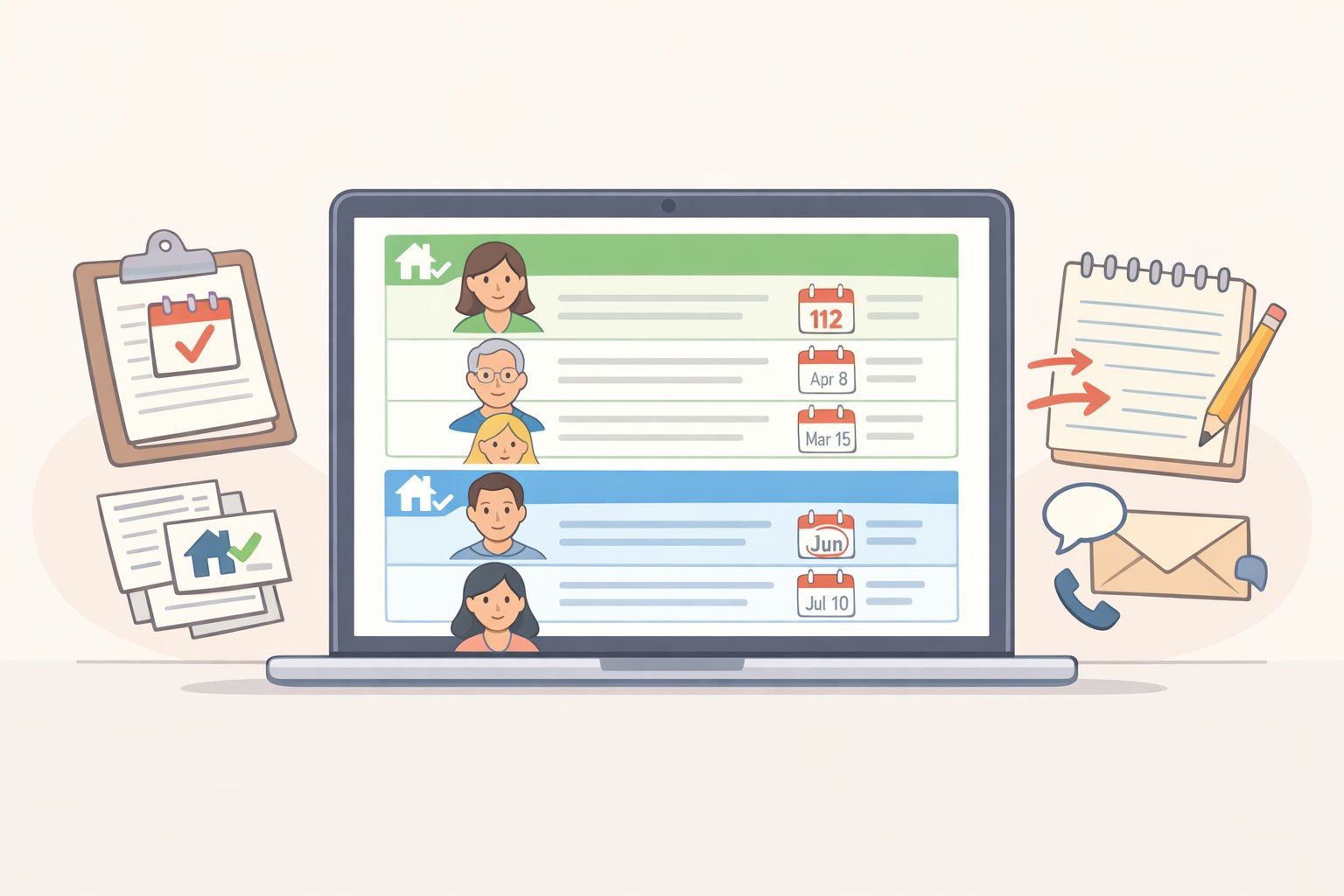
Only 5% of agents contact past buyers on their home anniversary, according to brokerage leaders at the RISMedia Power Broker Forum. That is not a statistic to admire. It is a gap to exploit.
Start with the people who already know your name. Pull your closed transactions from 2023 to today, sort them by close date, and call anyone whose purchase anniversary lands in the next 90 days. Skip the canned email. Say the address, mention something specific about the home or neighborhood, and make the contact feel like it came from memory, not software.
For everyone else, build a reason to reach out that fits the moment. Inventory is higher, and sellers are thinking harder about timing, pricing, and equity. That gives you a clean opening: what is happening on their street, and does it change anything they should know? J. Lennox Scott says November and December are “the season of joy and engagement,” a time for intentional outreach, and John L. Scott Real Estate has nearly 900,000 contacts, with only about 400,000 receiving consistent monthly communication. The math is blunt. Most databases are just expensive archives.
Keep the outreach human. A personal call, a useful valuation, a note tied to a life event, these still beat another polished drip campaign that nobody opens. That is the happy-call business. The follow-up-call business. The business where referrals actually happen.
Step 2: Get fluent in the affordability story, then say it plainly
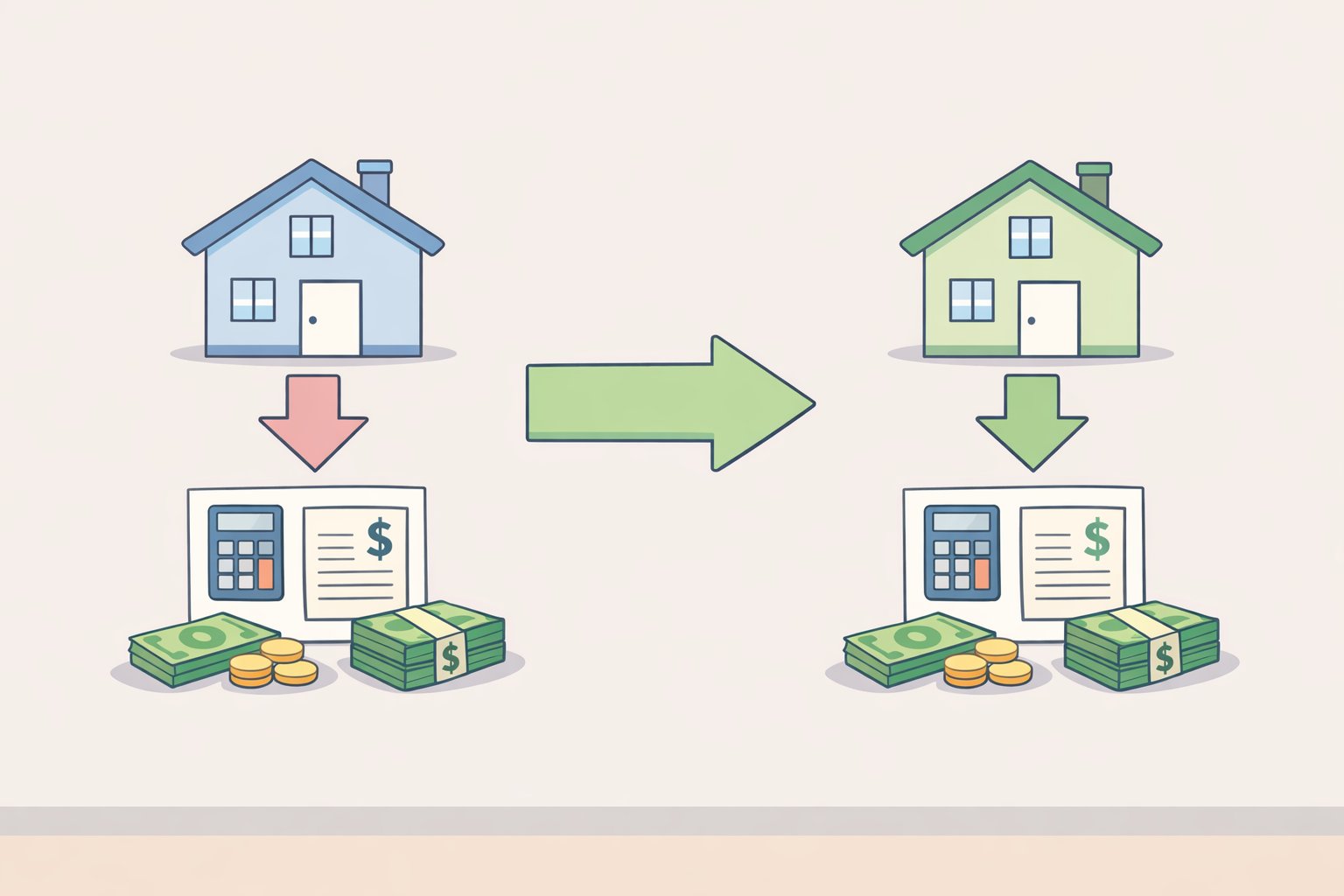
A lot of buyers have spent the last two years waiting for rates to snap back to 3%. They will not. Yun is forecasting mortgage rates to average around 6% in 2026, down from roughly 6.7% this year, and NAR economists say this would be the first time monthly payments have declined since 2020. That is a useful story if you can explain it without a spreadsheet tantrum.
Build a one-page affordability brief for your market. Show what 6% versus 6.7% looks like on a typical home in your area. Show what that means for a buyer at the median income. Keep the numbers visible and the jargon out of the way. When a hesitant buyer sits across from you, the page should do the heavy lifting before optimism starts doing damage.
The bigger picture matters, too. A one percentage-point drop in mortgage rates can expand the pool of households who can qualify to buy by about 5.5 million, including about 1.6 million renters who could become first-time buyers. NAR says that could translate into about 500,000 additional home sales in 2026. You do not need to recite the whole number to clients. You do need to understand why the conversation is changing.
Do not oversell the recovery. Middle-income buyers can still afford only 21% of the homes currently for sale, down from about 50% before the pandemic. That is a stubborn constraint, and it is why vague advice sounds flimsy. Buyers do not need pep talks. They need a clear path.
Step 3: Pick a segment and own it
Generalists are having a harder time. The buyer pool in 2026 is not one neat crowd moving in lockstep, and the best opportunities are clustered in specific segments.
Baby boomers are the dominating force in today’s housing market. They have equity, they have choices, and they are often moving on their own timetable, not the lender’s. First-time buyers, by contrast, have fallen to an all-time low of 21% of purchasers, with a median age of 40. That is a different animal entirely.
Choose the segment you already serve best, then make it obvious. Downsizers. Relocating professionals. Equity-rich sellers moving closer to family. First-time buyers in a particular loan program. Update the bio, the listing presentation, the social copy, the scripts, all of it. If you are trying to be everything to everyone, you will sound like background noise.
Geography can sharpen the edge, too. NAR economists say previously hot markets in Texas and Florida have slowed, while Columbus, Indianapolis, and Kansas City are showing outsized growth. If your market has tailwinds, say so. If your neighborhood is one of the places where affordability is still doing some work, say that too. Clients do not hire “full service.” They hire relevance.
Step 4: Counsel sellers like the market has changed, because it has
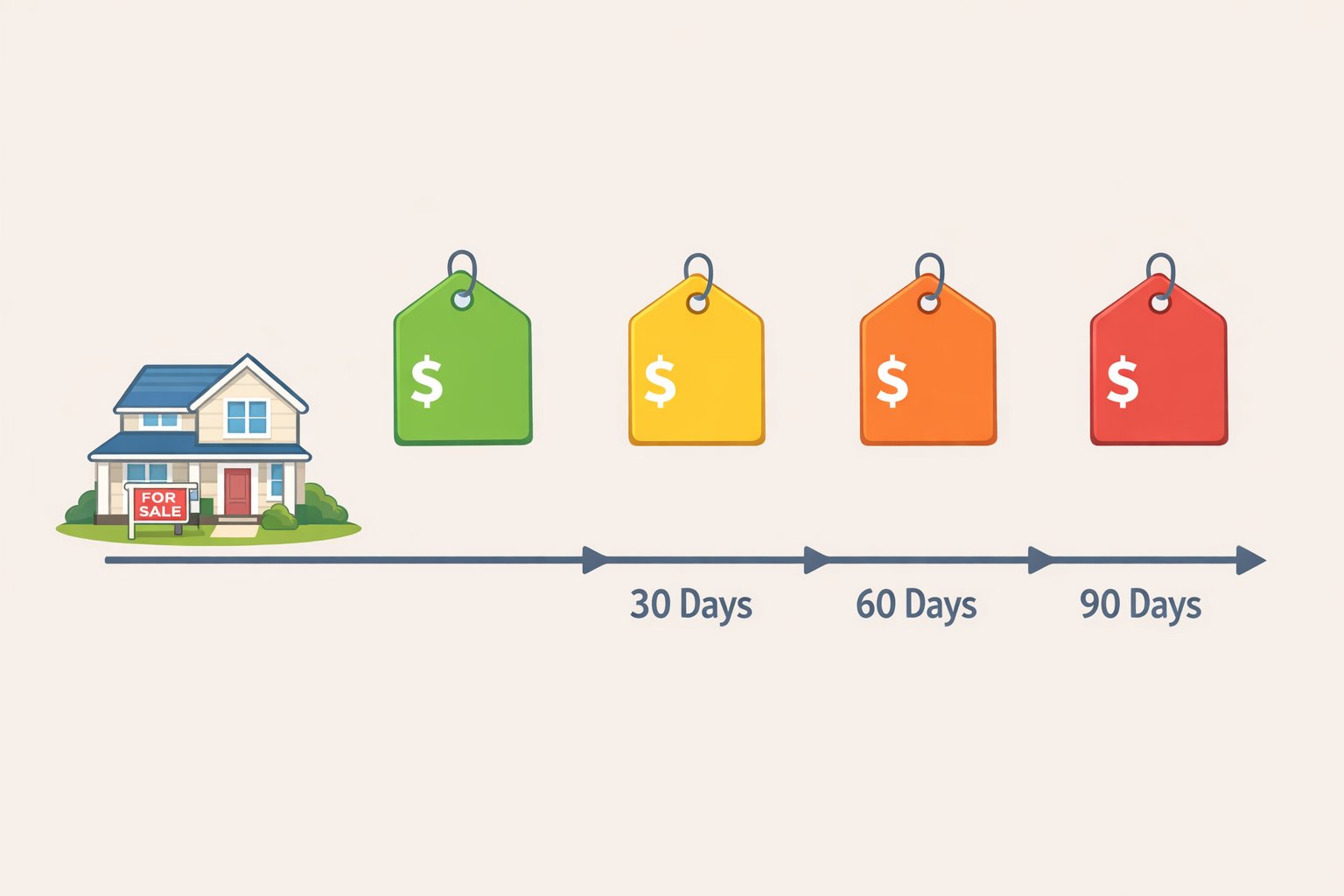
The seller playbook from the pandemic years needs a rewrite. The market is more balanced than it has been in almost a decade, and sellers no longer get to assume the price they want is the price the market will pay. About 6% of listings are being pulled before sale, usually because sellers choose to wait rather than accept the deal in front of them. That is not a collapse. It is a correction.
Use pricing data in the first listing conversation, not the third. Homes that go under contract in 0 to 14 days see average price cuts of 4.9%. At 61 to 90 days, the average cut is 9%. Over 120 days, it reaches 13.8%. Show the numbers before the listing goes live. It is simpler to agree on reality before a home sits.
Then explain what “balanced” means in plain English. Buyers have more choices, less urgency, and less fear of missing out. Sellers who price right from day one tend to spend less time on market and face fewer contingency fights than sellers who start high and then chase the market down. The market is not punishing anyone. It is just less sentimental than people are used to.
There is one more thing sellers need to hear. Higher inventory and a more measured pace do not erase equity for owners who bought before 2022. They still have a position to protect. Your job is to help them protect it without pretending the old bidding-war script still applies. Nostalgia is not a pricing strategy.
Step 5: Execute on what you already know
The strongest theme from the RISMedia Power Broker Forum was not that agents need a brand-new secret. It was that too many know what to do and still do not do it. One broker put it plainly: good agents do not always need to learn something new; they need to be reminded of what they already know and take action.
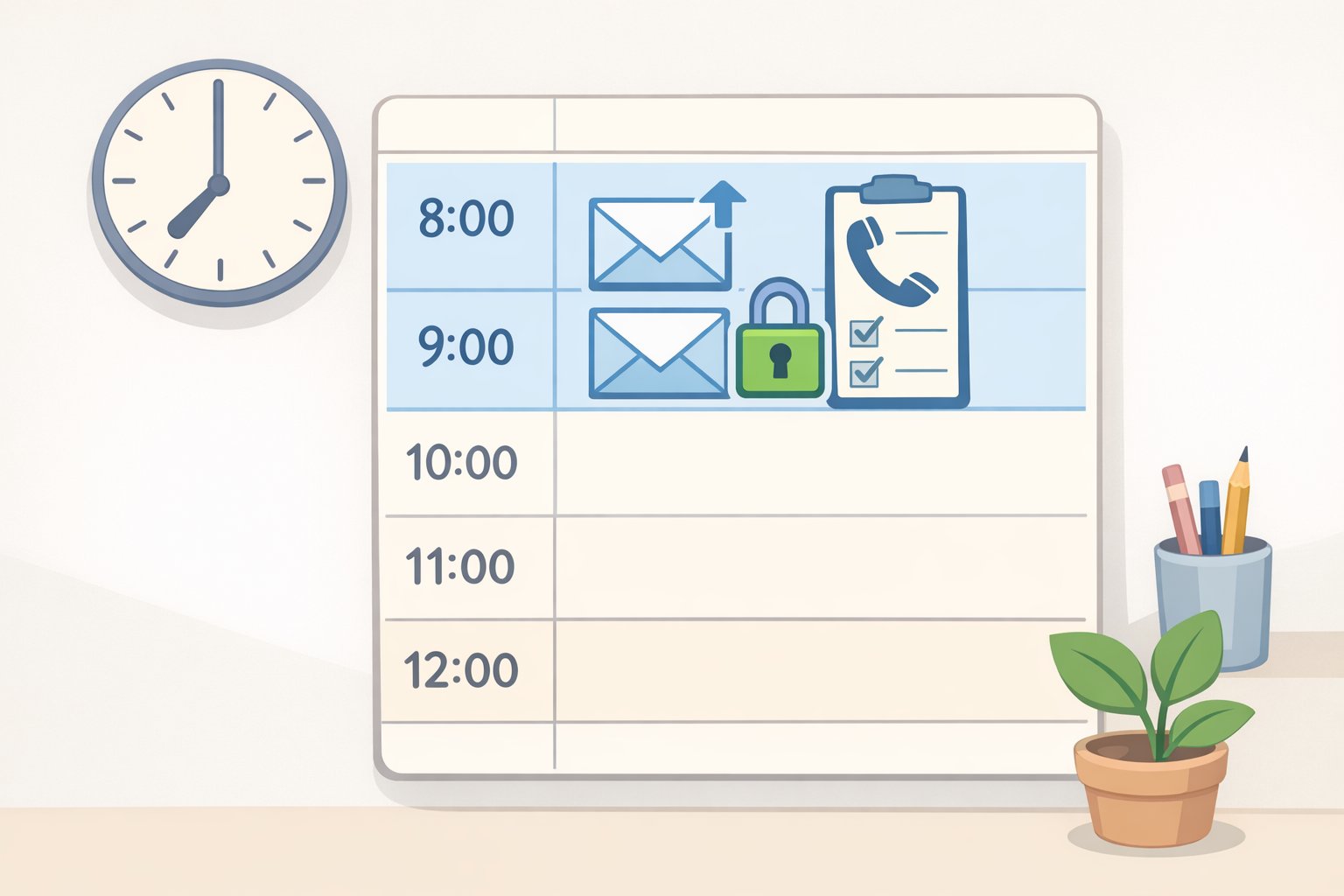
Audit the first two hours of your day this week. Write down what actually happens. If you start with market news, social media, or industry chatter before you have contacted a single client, that is where the leak is. Move outreach to the first hour. Protect it before the day gets cute and steals your attention.
Set a minimum that cannot be negotiated away. Calls to make. Follow-ups to finish. Consultations to schedule. The exact number matters less than the discipline of keeping it. As another broker said, you cannot tell people to make dials if you are not making dials. That line should hang in every office, if offices still existed the way people pretend they do.
The point is not to become frantic. It is to become consistent. Execution compounds slowly, which is why it is so easy to ignore and so profitable when it is protected. The agents who guard that time tend to end the year with more activity than the ones who let the day happen to them.
The finish line
Five moves. Not five reinventions, just five disciplines applied with a little less drift.
If you want to make 2026 your best year yet, spend the next 30 days doing this in order: contact your sphere, build the affordability brief, choose the segment you want to be known for, tighten your seller pricing conversation, and defend your execution time like it matters. Because it does.
The market is opening enough to reward focus, but not so much that sloppiness gets forgiven. That is usually where the better year lives, just past the point where everyone else gets distracted.