
When Bitcoin breaks out, Strategy or Marathon? Key differences
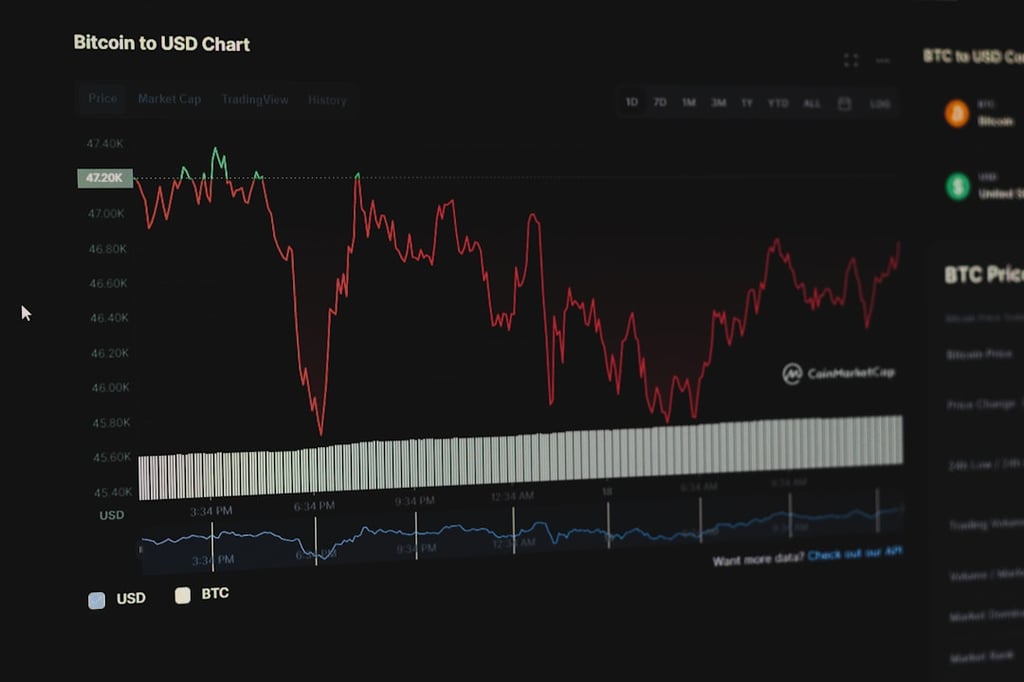
Bitcoin broke above a key resistance level on Wednesday, and the two stocks most closely tied to its price moved with it. Strategy climbed roughly 9% and Marathon Digital rose about 6% in the same session, another reminder that crypto proxies can magnify a token move into something much noisier.
The rally mattered because it was not just a gentle drift higher. It showed how quickly traders still pile into the names built to move with Bitcoin when momentum turns up, and it revived a familiar question: when Bitcoin breaks out, which proxy gives investors the cleaner expression of the trade?
Two very different ways to own the move
Strategy and Marathon both rise when Bitcoin does, but they do not do it the same way. Strategy is a balance-sheet bet. Marathon is an operating business that mines Bitcoin, which means its fortunes depend not only on the token’s price but also on power costs, hardware performance and network difficulty.
That difference shapes how each stock behaves when the market gets excited. Strategy tends to act like a used claim on Bitcoin price, while Marathon has to absorb the less glamorous mechanics of actually producing the asset. One is financial engineering with a Bitcoin wrapper. The other is a factory, just one that mints digital scarcity.
That is why the two names often move together without moving alike. On Wednesday, they both caught a bid, but Strategy’s larger gain reflected the market’s habit of treating it as the more direct expression of a Bitcoin rally.
Why the gap between them matters
The spread between the two stocks on a day like this is not random noise. It usually says something about what kind of Bitcoin move traders think they are seeing.
When Bitcoin is being pushed higher by momentum, Strategy tends to benefit first because investors are buying exposure to price with fewer operating complications in the way. Marathon can still run, but its stock has to carry the extra weight of mining economics. Energy prices do not politely step aside because Bitcoin had a good session.
That is also why the gap can narrow when mining conditions improve. If power costs ease or network difficulty turns more favorable, Marathon’s per-coin economics get better and the stock can catch up. If that backdrop does not improve, Strategy often looks like the cleaner trade, at least for investors who want the fewest moving parts.
There is a second layer here that matters more than the market chatter around “Bitcoin exposure.” Strategy’s model depends on its ability to keep financing accumulation. Marathon’s depends on keeping miners efficient enough that each block reward still leaves room for profit. Those are very different businesses wearing the same market label.
The financing and operating risks are not the same
That split becomes clearer when the market stops going in a straight line, which it never does for long. Strategy can carry more balance-sheet use, which helps on the way up and hurts when sentiment turns. Marathon’s risk is less about financing and more about execution. If mining margins compress, the stock can sag even if Bitcoin itself is holding up.
That is the part many casual traders miss. A Bitcoin treasury company and a miner both respond to the token, but one is basically a capital structure story and the other is a production story. The first can benefit from a rising asset and favorable financing conditions. The second has to earn its keep every day.
For investors, that means the pair are not interchangeable. They can both be bought as Bitcoin proxies, but they do not offer the same trade. One is more levered to price. The other is more exposed to the cost of turning electricity into coins.
The bigger question is whether the breakout holds
Wednesday’s move is only interesting if it lasts. The real test is whether Bitcoin can stay above the level it just cleared and whether the broader market confirms that the breakout has support behind it.
That is where ETF flows matter. Spot Bitcoin ETFs have changed the market’s plumbing, giving investors a direct way to own the token without using a proxy stock. That has not made Strategy or Marathon obsolete. It has just narrowed the crowd that needs them. Investors who want amplified exposure, and who are willing to take the extra business risk that comes with it, still use the names. They are not substitutes for an ETF. They are a different animal altogether.
The point is not that ETFs killed the trade. It is that they changed the traffic pattern. If money is flowing into Bitcoin itself, the proxies can ride along. If that flow stalls, the stocks can lose momentum faster than the token because they are carrying extra baggage on top of the same directional bet.
What this move says about the current cycle
This is also why Wednesday’s action matters beyond a one-day chart. The market is no longer just deciding whether Bitcoin is up or down. It is deciding which form of exposure deserves the premium.
That question used to be simpler. Before spot ETFs, Strategy often looked like the easiest institutional substitute for direct Bitcoin ownership. Now the field is broader, and the competition is real. That does not make the stock less interesting. It makes the choice more specific.
For Strategy, the case is still straightforward. Investors are buying a levered balance-sheet play on Bitcoin price, with all the upside and all the volatility that implies. For Marathon, the appeal is different. If mining economics improve, the stock can snap harder than people expect. But it has to earn that move. It cannot just ride the token and call it a day.
What to watch next
The next few sessions will tell the story better than Wednesday alone. If Bitcoin stays above the breakout level and trading in the proxy names remains active, Strategy and Marathon should keep drawing attention. If the token slips back below the level it just cleared, those same stocks are likely to give back more, and faster.
That is the bargain investors accept when they buy the proxies. They get more torque on the way up. They also get less mercy on the way down. Yesterday’s favorite trade has a habit of becoming tomorrow’s cautionary tale.