
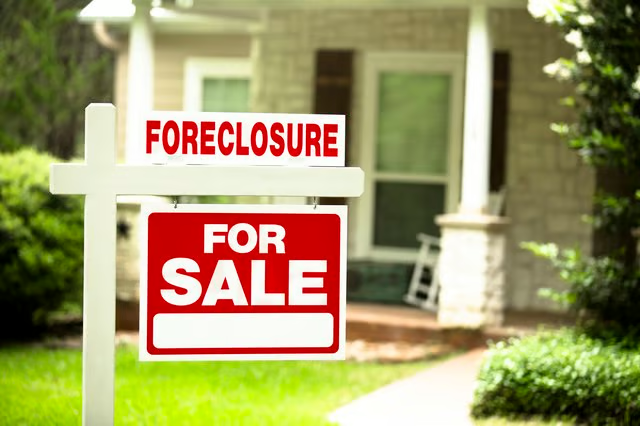


Squatters occupy a property without permission from the property owner. Many real estate properties in foreclosure or that are unable to sell through foreclosure auction are abandoned and thus susceptible to squatters. If you purchase, own or become the landlord of a property and are paying property taxes, you do have rights. If the property becomes occupied by squatters, they can be thrown out or given an eviction notice. Some states have laws concerning squatters' rights and the process to evict them from a rental property or other real estate.
Squatters vs. Trespassing
If unauthorized occupants live in a house for a long period of time, they may be there by trespass or by squatting. The difference between the two is that a trespasser used force to enter the property, such as breaking a window or door. Squatters gain access to real estate in another fashion that does not involve the act of trespassing.
A squatter can access the property through an unlocked entrance or an already broken window. Trespassing is a crime, and authorities determine if the act of trespassing was committed. If so, the trespassers can be removed by law enforcement officials or arrested by local police.
Squatters' Rights and Vacant Property
Do squatters have rights? Some states afford rights to squatters. Legally, squatting is called adverse possession. Over time, a squatter may obtain ownership rights to the property if certain conditions are met, as outlined by Sterling Property Solutions. The adverse possession laws that outline these rights also vary among states. Check local laws before making any legal moves if you are the real property owner.
Some common arguments against adverse possession include living in the property openly as an owner – in other words, not hiding the fact that you are living in the property over a period of time (continuous possession).
Another large factor in gaining squatters' rights is the length of time the squatter has occupied the property without being asked to leave by the rightful owner. In some states, this amount of time may be 20 years or more, explains the team at Anderson Advisors. An attorney can advise in the situation of an adverse possession claim and what legal rights you might have as the property owner.
Eviction of a Squatter
Homeowners may have to get rid of squatters should the latter persist in occupying a property for a long amount of time. Squatters can be evicted from a house depending on the amount of time they have been there and how they got there in the first place. It is important to research any laws regarding squatters' rights and renters' eviction in the state in which the property is located.
Some states require that a written eviction notice is served to the squatters, giving them time to relocate. In some situations, despite the legality of the eviction process, the squatters refuse to leave. Legal action is necessary in these cases.
An attorney determines if the squatter actually has rights to the property or has tried to claim the real estate through a deed recorded with the county. The attorney can recommend an eviction company to the owner of the property that can evict the squatters.
Considerations in Squatters’ Rights Situations
There many types of scams regarding squatters and real estate. Some con artists take advantage of innocent people looking to rent a place to live. Unknowingly, the tenants sign a lease and begin to pay rent for a property in which the landlord is actually squatting.
In these situations, tenant rights do come into play. As a tenant, though, it's important to read your lease agreement carefully and verify the legitimacy of your property management company.
Other scams include squatters requesting money in order to vacate the property. This often occurs in the case of bank-owned houses after a foreclosure. Other squatters just lie and say they are tenants renting the property from someone else.