
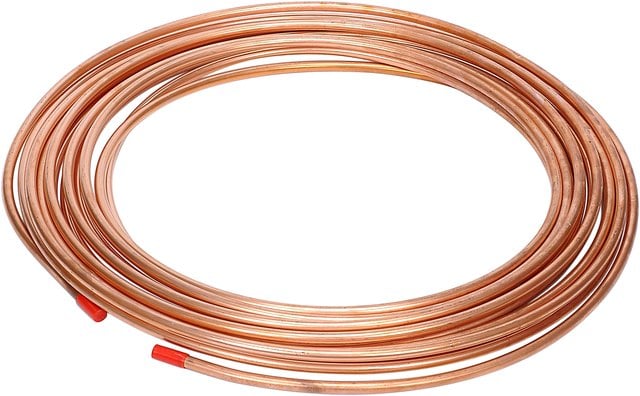


Stripping wire for cash has become a profitable criminal undertaking. By 2011, some states began increasing regulation of scrap metal facilities and junk dealers to cut down on crime. Theft of copper wiring from street lights in Greater Miami prompted a new ordinance there to make it easier to catch wire-stripping thieves. Copper conducts electricity in cables, appliance cords and wiring for homes and businesses. Stripping the insulation prior to sale generally brings a higher price. For those who obtain wire legally, using an easy and cheap way to strip and scrap wire allows you to make a profit and benefit the environment.
Step 1
Put on work gloves and set one bin below your work area for wire and another for insulation and miscellaneous parts you remove from the wire. Organizing your work area with everything in easy reach helps the job go fast.
Step 2
Cut any plugs, connectors or solder off the wires with wire cutters. Cut the wires into manageable lengths, 1- to 3-feet long. Secure one end of the wire in a vise. Clamp the stripper over the wire and pull it along the wire's length to easily strip the insulation.
Step 3
Continue stripping each length of wire until you've completed the job. Use cable strippers if you have cables to strip. Put a lid on each bin full of stripped wire. Protecting the metal from air reduces oxidation. When the insulation is removed, metal can begin to corrode. Oxidized metal won't bring as high a price as copper in good condition.
Step 4
Take the stripped wire to a scrap metal dealer or recycling center. For the best price, sell the wire while it's still shiny . Don't store it, because the longer it sits, the more it will oxidize and lose value.