



Contracts for deeds are common ways for buyers to purchase -- and sellers to sell -- property without the need for a mortgage lender. In effect, the seller agrees to be the lender for the transaction. Contract for deeds are used in all 50 states, but sometimes are called "land contracts" or "installment contracts." They are fairly common ways for people with little credit history (e.g., young people) or people with good incomes but poor credit ratings to be able to buy property for which they could otherwise not get a traditional mortgage.
Step 1
Divide the annual percentage of interest (in decimal form) for the contract for deed by 12. For instance, if the annual interest rate is seven percent, divide .07 by 12 (which in this example equals .00583). This gives you the monthly interest percentage.
Step 2
Multiply the number of years of the contract for deed loan by 12. For instance, for a 30-year contract for deed, multiply 30 by 12 (which equals 360, or the number of installment payments you will make over the life of the contract).
Step 3
Substitute the numbers you calculated in Steps 1 and 2 into the following formula: a = [ P(1 + r)Yr ] / [ (1 + r)Y - 1 ]. In this formula, "a" is the monthly payment amount, "P" is the loan amount, "r" is the monthly interest percentage and "Y" is the number of payments over the life of the contract for deed. In the example of a 30-year contract at seven percent annual interest on a loan of $100,000, the formula will read: a = [$100,000(1 + .00583)360] / [(1 + .00583)360 - 1].
Step 4
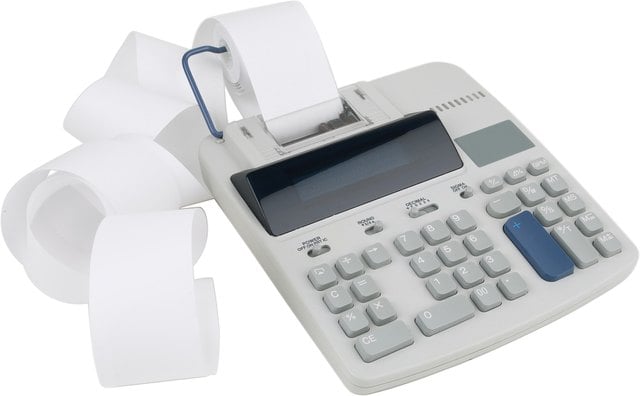
Calculate the formula using a calculator to determine "a," or the monthly payment amount. In the above example, the monthly payment comes out to $655.30.