


Easements and right of way are very similar under the law. Although easements and right of way essentially grant owners use of land, they typically arise in different contexts. Easements arise in private contexts and right of way arise in public contexts. Individuals and courts grant easements in the private sector; governments grant right of way in the public sector.
Easements
An easement grants the owner of the easement a right to use another person's property for a distinct purpose. An easement is either negative or affirmative. Owners of negative easements have the right to restrict their neighbors from doing a particular thing. For example, the owner of a negative easement might have the right to restrict his neighbor from constructing a building that would block sunlight. Owners of affirmative easements are typically given the right to cross over a neighbor's property.
How Easements Are Created
Typically, easements are created by express grant. However, easements are also created out of necessity. For example, if a parcel of land would otherwise be landlocked, a court will grant the owner of the landlocked property a right to cross his neighbor's land. Courts also imply easements from prior use.
Right of Way
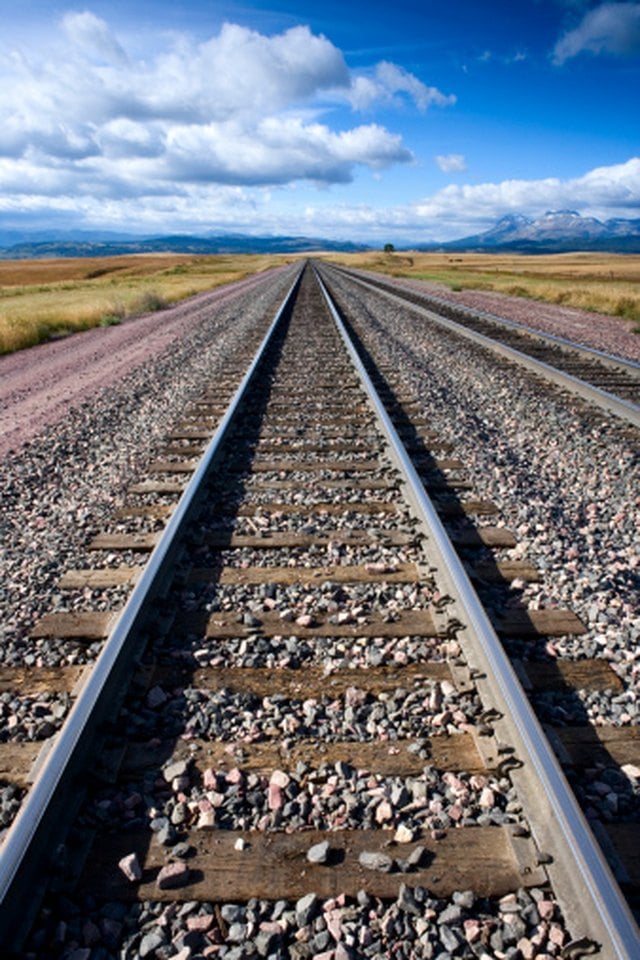
Public companies, such as railroad and utilities companies, are granted right of way by federal, state and city governments. For example, Title 43, Section 934 of the U.S. Code grants a right of way over public lands to incorporated railroad companies. Utilities companies are often granted right of way to set up power lines by local governments.
Differences
The difference between an easement and a right of way is that a company with a right of way typically owns the actual land the right of way passes over. For example, the term "right of way" in a railroad context speaks to the land itself. This differs from an easement in that easements merely grant the right to use another's property; the term "easement" refers to the right to use someone else's land, not the land itself.