


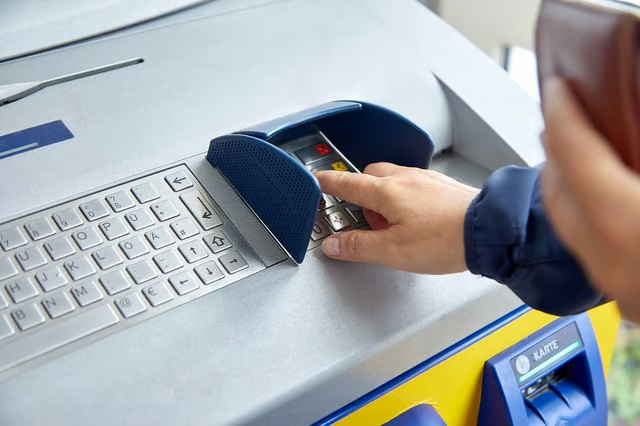

The cloning of an ATM is a two-step process that starts with skimming the information on a card. The card information can then be used to create a new cloned card that can be used for fraudulent purchases. The keys to avoiding the theft of the information on your cards include knowing the types of machines that are commonly used to skim information and how to detect the presence of a skimmer on a machine you intend to use.
Skimming Card Information
Skimming refers to the use of illicit readers designed to steal and transmit information from credit and debit cards. Skimming usually involves the use of a card reader that steals and transmits the information on the magnetic strip when a card is swiped. Readers typically fit into the actual card reader on a machine and do not interfere with the transaction.
Separate hardware is used to capture the PIN code on debit cards -- typically a hidden camera or key reader that is installed over the machine's keypad. The information from the magnetic strip and the PIN code are then transmitted to identity thieves that can download stolen information on a laptop, tablet or smart phone.
Cloning a New Card
The cloning of a new card takes place after the information has been skimmed from the original. The skimmed information can either be passed between members of the same hacking group or purchased from crime rings that skim and then sell stolen card information. With the stolen card information in hand, identity theft rings can quickly create cloned credit and debit cards using machines that can be purchased online for $300 or less.
Machines to Avoid
To avoid detection, identity thieves prefer to install the hardware necessary to skim cards on machines that are out of view and difficult to monitor. Machines that should be avoided include ATMs that are located out of sight from employees and management within a building, as well as in dimly lit or in low traffic areas outdoors.
Identity thieves also prefer pay at the pump machines at gas stations. To avoid these, go to the cashier to pay for your gas. New parking meters that accept credit cards are also easy targets for skimmers.
Detecting a Skimmer
Because ATMs and other machines that read debit and credit cards for legitimate transactions can be subjected to rough handling as well as inclement weather, they are generally built for stability and durability.
If you're using a machine with components that are loose or don't smoothly accept the card, you may be looking at a machine with an installed skimmer. If there are side-by-side ATM machines, compare them, keeping an eye out for differences including ill-fitting components and different keyboards. If you notice differences between the machines, don't use either one.